The Ghanaian government has revoked the mining leases of Adamus Resources Limited and directed the Minerals Commission to assume immediate administrative control of the mine. This action aims to revive operations, protect jobs, and ensure the welfare of workers at the site.
This decisive move follows a comprehensive report from the Minerals Commission to the Chief Inspector of Mines. The report identified grave violations of Ghana's Mining Act and associated mining regulations. These violations led to the recommendation for revoking several mining leases, including those for the Salma and Akango operations.
This intervention is part of a broader government strategy to ensure responsible mining practices and safeguard national interests. Ghana's economy heavily relies on its natural resources, particularly gold. Ensuring compliance with mining laws is crucial for sustainable development and revenue generation. Previous instances of non-compliance have often led to environmental degradation and social unrest in mining communities.
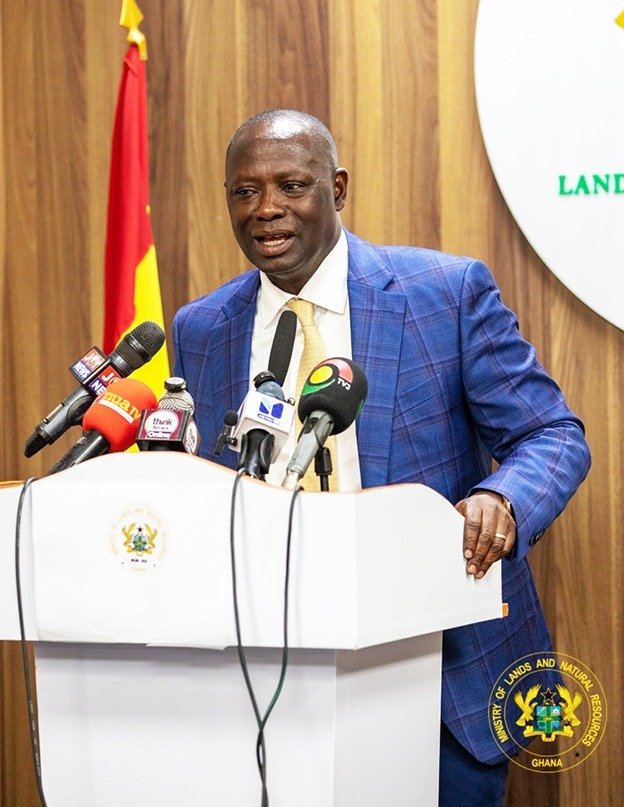
Emmanuel Armah Kofi Buah, the Minister for Lands and Natural Resources, announced the decision during a visit to the mine. He stated, "What that means going forward is that the Minerals Commission should, with immediate effect, take administrative control of this mine." The Minister stressed that protecting jobs and worker welfare was central to the government's intervention.
Looking ahead, the Minerals Commission will work with management and workers to resolve outstanding issues. This includes restarting the processing plant and addressing all safety concerns at the mine. Decision-makers and markets will closely watch how quickly the mine can resume full operations and whether this intervention sets a precedent for other non-compliant mining companies in Ghana.
The government's immediate priority is to make the mine fully operational, ensure timely payment to workers, and attract necessary investments for expansion. Reports of unpaid workers and redundancies at the mine prompted the government to act swiftly. The Minister directed that these issues be addressed immediately, ensuring workers return to their jobs with confidence.
Mr. Buah defended the revocation process, stating that Adamus Resources was given a fair hearing. A Ministerial Review Committee examined a petition filed by the company after the initial recommendation for revocation. The committee's findings supported the decision to uphold the revocation of the leases.
The government's intervention is not merely about taking control but about restoring the mine to full capacity. The Minister expressed optimism about the mine's future, highlighting its significant potential with proper investment and reforms. The Minerals Commission will collaborate with stakeholders to mobilize the required investment for sustainable production.
This action underscores the government's commitment to enforcing mining regulations and protecting the interests of the country and its citizens. It also sends a strong signal to other mining companies about the importance of adhering to legal and operational standards. The long-term success of this intervention will depend on effective management by the Minerals Commission and the ability to attract new, responsible investors.
The government aims to create an environment where workers are motivated and paid on time, which is vital for the mine's future. The intervention also seeks to address any safety-related matters, ensuring a secure working environment for all employees. This comprehensive approach is designed to transform the mine into a viable and productive operation once again.