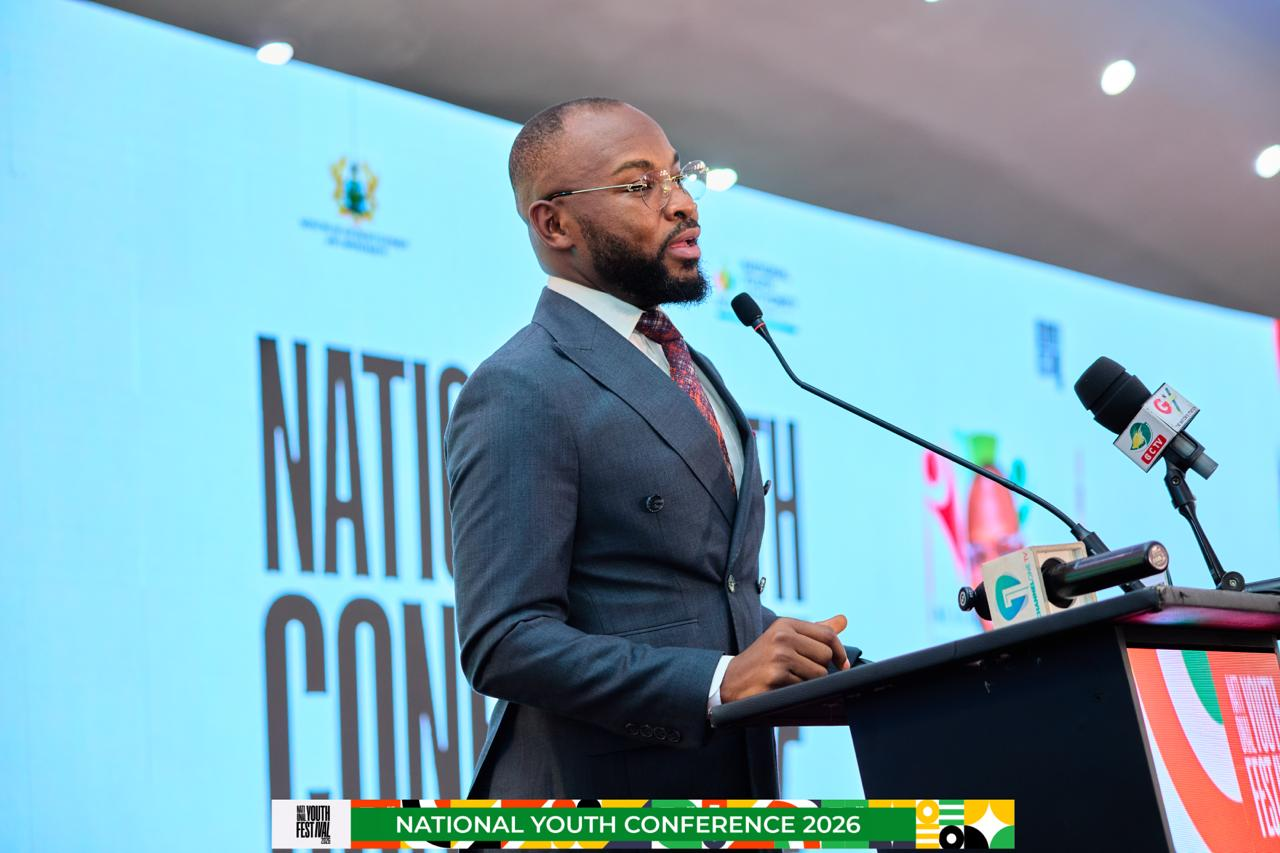
Osman Abdulai Ayariga, the Chief Executive Officer of the National Youth Authority (NYA), has commended President John Dramani Mahama’s administration for its effective demonstration of youth capability in governance. Mr. Ayariga stated that the current government’s youthful composition clearly shows young people can contribute meaningfully to national development.
Speaking on Wednesday, August 12, at the 2026 National Youth Conference held at the KNUST Great Hall in Kumasi, Mr. Ayariga highlighted the administration’s success. He urged other African leaders to draw inspiration from President Mahama’s strategy for including youth in leadership roles. This approach, he noted, moves beyond mere representation to focus on tangible results.
This emphasis on youth inclusion aligns with broader discussions about demographic dividends in Ghana and across Africa. With a significant portion of the population under 35, integrating young, dynamic individuals into key decision-making roles is seen as crucial for sustainable economic growth and innovation. Previous administrations have often faced criticism for not adequately leveraging the potential of the youth.
“His Excellency John Dramani Mahama has shown to the entire world what young people can do when given the opportunity,” Mr. Ayariga affirmed. He further stressed that youth inclusion in leadership must prioritize the ability of young people to deliver concrete results for citizens, rather than just filling quotas. This statement underscores a performance-driven expectation for young leaders.
The implications of such a focus on youth leadership are significant for Ghana’s political landscape and economic future. A successful model of youth-led governance could inspire greater participation and trust among the younger demographic, potentially leading to more innovative policy solutions and improved public service delivery. Decision-makers will be watching closely to see if this trend continues to yield positive outcomes.
Mr. Ayariga also issued a call to action for young people appointed to leadership positions. He advised them to conduct themselves with utmost responsibility. Their performance, he explained, holds the power to either expand or restrict future opportunities for other young individuals seeking similar roles. This places a considerable burden of expectation on current young officeholders.
The National Youth Authority’s endorsement provides a strong signal about the perceived effectiveness of the current government’s strategy. It suggests a deliberate effort to empower a new generation of leaders, potentially shaping the country's governance model for years to come. This development could also influence how international partners view Ghana's commitment to inclusive development.
Ghana’s economic trajectory often depends on effective governance and policy implementation. By integrating younger, potentially more agile, and technologically adept individuals into government, there is an expectation of improved efficiency and responsiveness to modern challenges. This move could contribute to better resource management and more effective public service delivery, ultimately impacting the nation's fiscal health and citizen welfare.