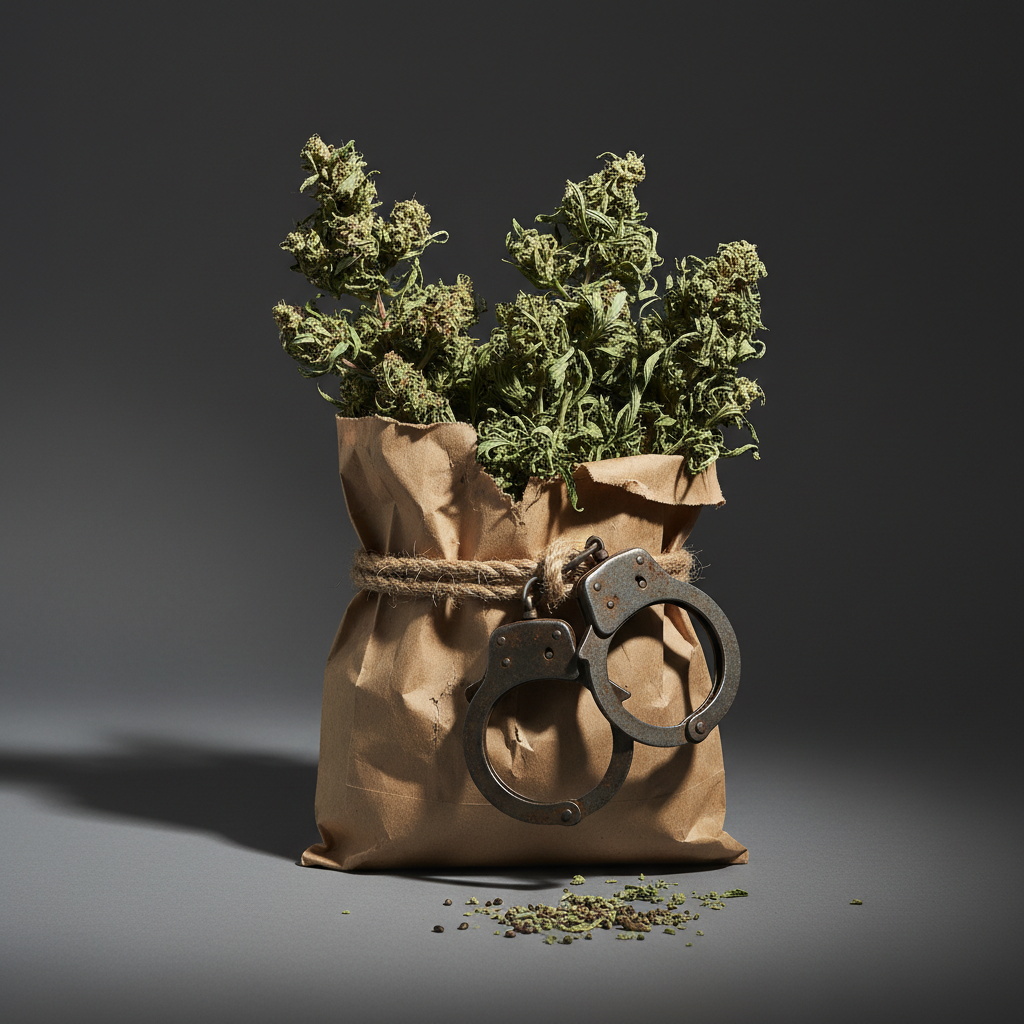
The Narcotics Control Commission (NACOC) has arrested 10 individuals for allegedly distributing cannabis and cannabis-infused products during the Koforidua Technical University (KTU) Students' Representative Council (SRC) Week celebrations. This operation, conducted on Friday night, involved nine men and one woman, following intelligence reports of suspected drug-related activities on the university campus.
NACOC's intelligence-led operation resulted in the seizure of a quantity of suspected cannabis and several consumable products believed to contain the narcotic. The recovered items included wraps of suspected cannabis, cups of "abele" ice cream, bottles of pineapple juice, sobolo drinks, and fresh palm wine. Preliminary field tests confirmed the presence of cannabis in these seized exhibits, reinforcing suspicions about their distribution to revellers.
This incident underscores a persistent challenge in Ghana's educational sector, where drug-related activities continue to pose a threat to student welfare and institutional integrity. The involvement of students in such activities can have significant long-term economic and social consequences, impacting their academic performance and future employment prospects. Ghana's broader economic stability relies on a healthy and productive workforce, which drug abuse undermines.
NACOC has reaffirmed its commitment to protecting educational institutions from drug-related activities. A spokesperson for the Commission stated, "We are dedicated to ensuring a drug-free environment for our students and will continue to pursue those who engage in illicit drug distribution." This commitment aligns with national efforts to curb substance abuse, which has been a growing concern, as evidenced by previous reports of thousands of security service applicants testing positive for various illicit drugs.
The 10 suspects are currently assisting with ongoing investigations. NACOC aims to determine the full scope of the alleged operation and identify any other individuals connected to this suspected illegal drug distribution network. The outcome of these investigations will be crucial in understanding the extent of drug penetration within university campuses and could lead to enhanced security measures and drug awareness campaigns. Stakeholders, including university administrations, parents, and law enforcement, will closely monitor these developments.
This event also highlights the economic implications of illicit drug trade, which often fuels underground economies and can divert resources from legitimate economic activities. The fight against drug trafficking and abuse is a critical component of maintaining public order and supporting sustainable economic development in Ghana. NACOC has consistently urged public vigilance and cooperation in reporting suspicious activities to aid their efforts.
The Commission's proactive stance reflects a broader national strategy to combat drug abuse, which includes partnerships with institutions like the University of Professional Studies, Accra (UPSA) for nationwide baseline surveys on drug use. Such initiatives are vital for gathering data to inform policy and intervention strategies. The continued vigilance of NACOC and public support are essential in safeguarding Ghana's youth and educational institutions from the detrimental effects of drug abuse.
The distribution of cannabis, even in small quantities, contributes to a larger illicit market that can have destabilizing effects on communities. The economic cost of drug abuse includes healthcare expenses, lost productivity, and increased crime rates. Therefore, successful interventions by NACOC contribute directly to public health and economic well-being. The legal framework in Ghana strictly prohibits the distribution of such substances, and offenders face severe penalties.