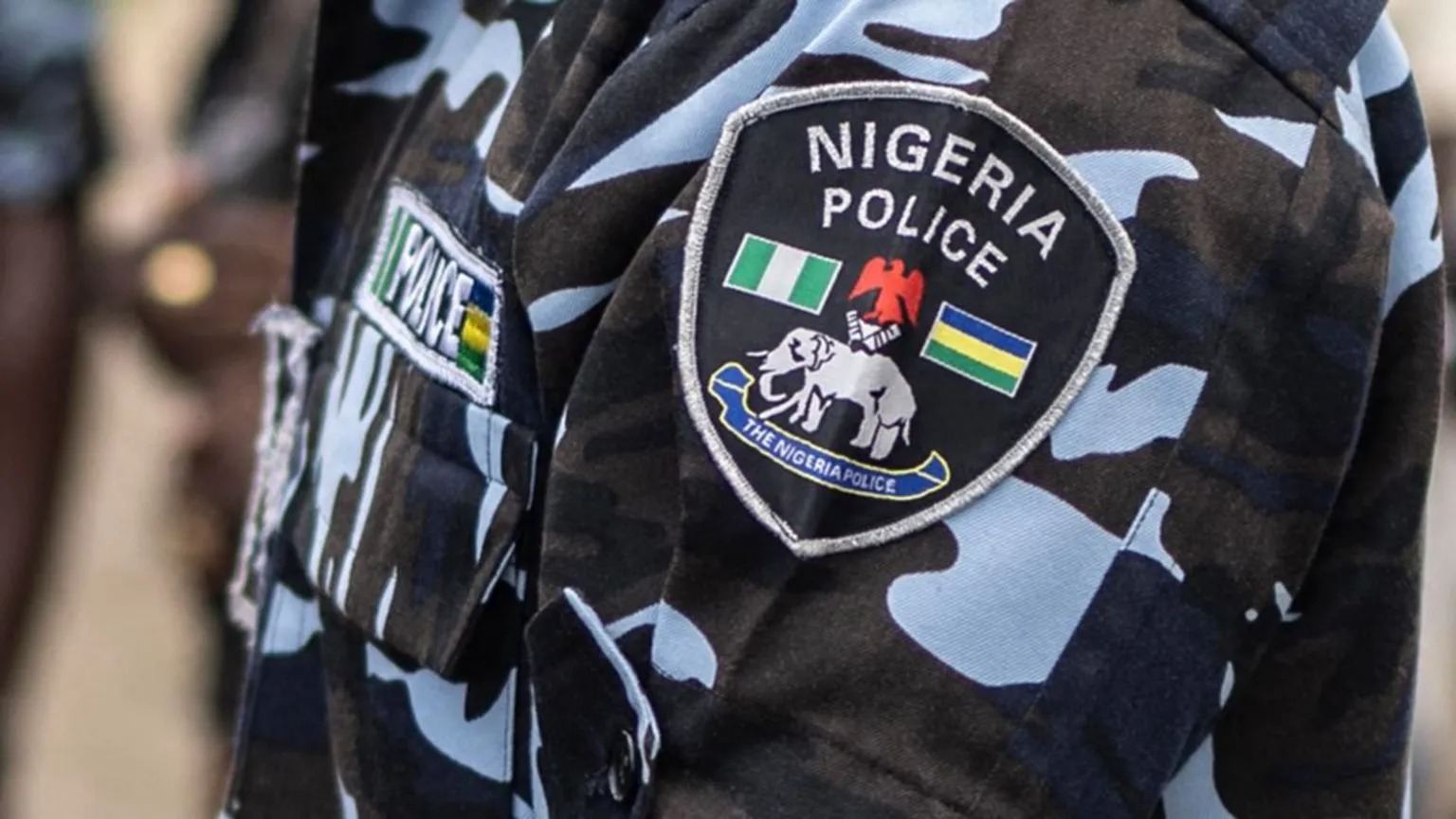
Four Nigerian police officers have been arrested for allegedly attempting to extort 53,000 naira (approximately GHS 600) from Musa Aliyu. Aliyu leads Nigeria's Independent Corrupt Practices and Other Related Offences Commission. The incident occurred in Abuja when the officers, operating an illegal checkpoint, stopped Aliyu and demanded money.
The officers are accused of abandoning their official posts to set up an unauthorised roadblock. Aliyu reported that he was forced to withdraw the 53,000 naira from a cash machine. Police Commissioner Ahmed Sanusi stated that Aliyu's report led to an intelligence-driven operation and the subsequent arrests.
This event underscores the persistent challenge of corruption within law enforcement agencies across West Africa. Such incidents erode public trust and can deter foreign investment, impacting regional economic growth. Ghana, like Nigeria, has faced its own struggles with corruption, making this a relevant regional concern.
Police Commissioner Sanusi strongly condemned the officers' alleged conduct. He warned that the command would no longer tolerate abuses of power. Sanusi stated, "You have to choose: either a policeman or a thief. You cannot be both."
The arrested officers now face a police disciplinary procedure. This process could result in their dismissal from the force. Cases of this nature rarely proceed to a formal court trial.
The incident highlights the importance of strong anti-corruption institutions and leadership. When high-ranking officials become targets, it demonstrates the pervasive nature of the problem. This situation could prompt renewed calls for police reform and greater accountability in Nigeria.
For Ghana, this incident serves as a reminder of the continuous need to strengthen its own anti-corruption efforts. Transparency and accountability in public service are crucial for maintaining investor confidence and ensuring equitable economic development. The outcome of the disciplinary action will be closely watched by citizens and regional observers.
The alleged extortion of 53,000 naira, while a relatively small sum, carries significant symbolic weight. It involves the head of a major anti-corruption body. This suggests that no one is immune from such illicit practices. The Nigerian police chief's strong stance indicates a commitment to addressing these issues internally.
Ghana's economic stability relies on a perception of good governance and low corruption. Regional incidents like this can influence how international partners view the entire West African economic landscape. Effective policing and a clear stance against corruption are vital for both countries.