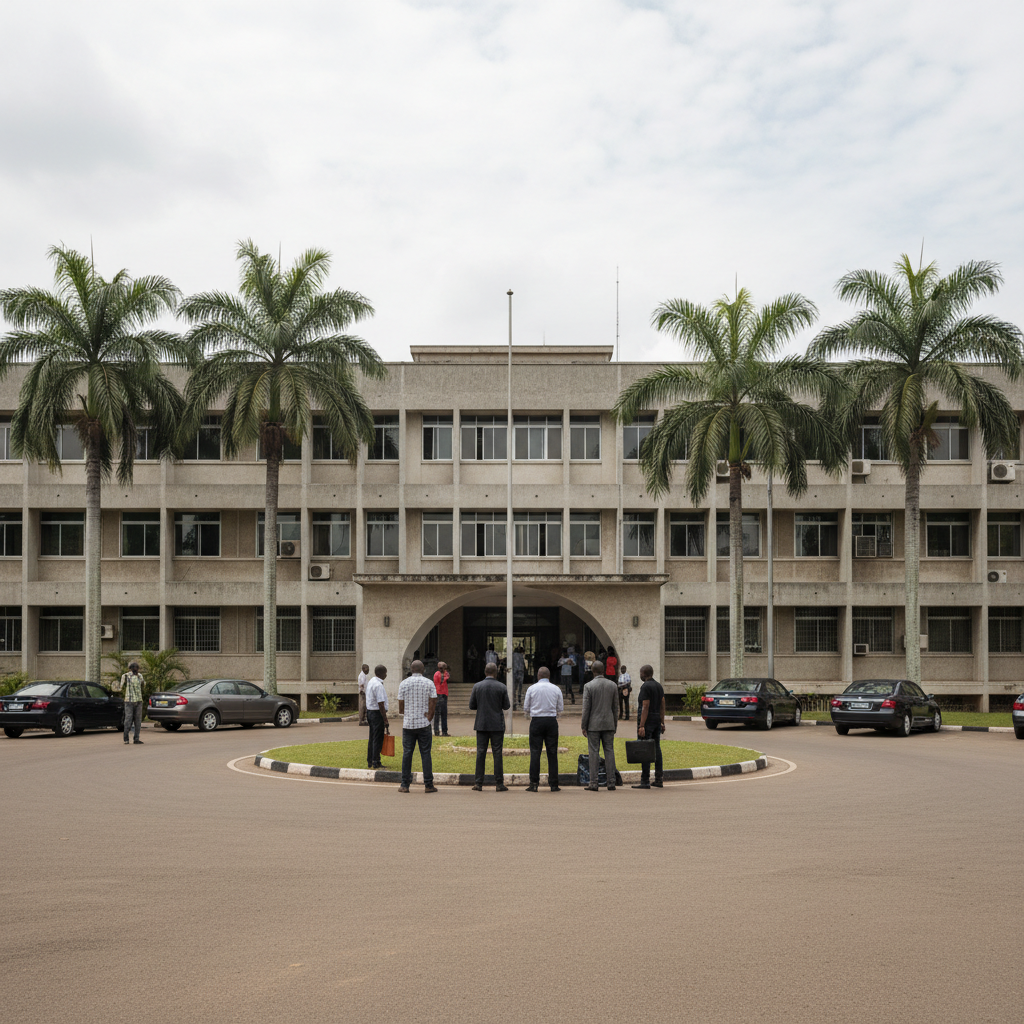
The New Patriotic Party (NPP) has convened an emergency meeting following the conviction and sentencing of its Ashanti Regional Chairman, Bernard Antwi-Boasiako, popularly known as Chairman Wontumi. This development comes after a trial that unfolded over many months in open court, leading to the judgment against the prominent party figure.
The timing of the NPP's emergency meeting has drawn significant scrutiny. Critics question why the party is expressing shock now, given that the legal proceedings, including prosecution, witness testimonies, and adjournments, were public. This belated reaction suggests a potential lack of awareness or appreciation for the gravity of the allegations until the final verdict was delivered.
This incident fits into a broader narrative of accountability within Ghana's political and economic spheres. It raises uncomfortable questions about the oversight of mining concessions and the roles of regulatory institutions. The case underscores a recurring theme where political entities are quick to celebrate successes but often distance themselves from failures, attributing them to individuals rather than systemic issues.
The source material, an opinion piece from MyJoyOnline News, highlights the perceived political amnesia surrounding the trial. It suggests that the party's response is an "emergency reaction" rather than a proactive engagement with the legal process. The article implies that accountability should extend beyond a single individual, especially when issues of public resource management are involved.
Looking ahead, this conviction and the NPP's subsequent response will likely fuel discussions about political accountability and the rule of law in Ghana. Decision-makers and the public will be watching how the party handles the aftermath, particularly concerning any potential appeals. The case serves as a stark reminder that even powerful figures are subject to legal processes, challenging the notion that influence grants immunity.
The situation also prompts reflection on the stewardship of public office. It questions whether those entrusted with power fully grasp their responsibilities beyond personal influence. The courtroom, in this instance, has become a critical forum, demanding answers that political meetings often avoid. This event could potentially influence public perception of political parties and their commitment to transparency and accountability.
The conviction of a high-profile political figure like Chairman Wontumi sends a clear message about the potential consequences of actions, regardless of political standing. It reinforces the principle that the law, however imperfectly applied, ultimately seeks to hold individuals accountable. This moment should serve as a significant point of introspection for all public office holders in Ghana.
The ongoing discourse will likely focus on whether this incident will lead to genuine reforms in how political parties address legal challenges involving their members. It also brings into focus the role of regulatory bodies in preventing and addressing issues related to resource management. The outcome and subsequent reactions will be crucial in shaping public trust in Ghana's governance institutions.
Ultimately, the case of Chairman Wontumi underscores that power is temporary, and accountability is a constant. The legal system, through its judgments, can serve as a powerful check on political arrogance and the abuse of office. This event will undoubtedly remain a significant talking point in Ghana's political landscape for some time.