Mrs. Gifty Ofori-Yeboah, Chief Executive Officer of Eco Impact Network, has called for strict sanctions against public officials. These officials knowingly approve illegal developments in waterways and flood-prone areas. Such approvals continue to expose communities to avoidable disasters.
Mrs. Ofori-Yeboah, an environmentalist, stated that experts responsible for building approvals and environmental regulation should face consequences. These consequences include suspension, dismissal, or prosecution. The severity of the misconduct should determine the specific action taken against them.
This demand for accountability addresses Ghana's persistent urban flooding challenges. Flooding is not solely due to heavy rainfall. It results from poor environmental management, weak enforcement of planning regulations, and indiscriminate human activities. Holding officials accountable will strengthen public confidence in state institutions.
Mrs. Ofori-Yeboah stressed that public officials hold positions of trust. They must protect lives, property, and the environment. This protection involves fully enforcing planning and environmental laws. Their negligence or abuse of office contributes to loss of life, property destruction, or resident displacement.
The Eco Impact Network CEO explained that poor sanitation is a leading contributor to urban flooding. The dumping of refuse into drains and gutters causes blockages. These blockages prevent the free flow of stormwater during heavy rainfall. This results in overflowing drains and widespread flooding across urban centers.
She urged households, businesses, and market operators to adopt responsible waste disposal practices. They should also support regular community sanitation activities. This will keep drainage systems free from waste and prevent blockages.
Mrs. Ofori-Yeboah acknowledged that inadequate drainage infrastructure also contributes to flooding. However, she emphasized that engineering designs must be based on scientific assessments. These assessments include rainfall intensity, water flow, and future climate conditions.
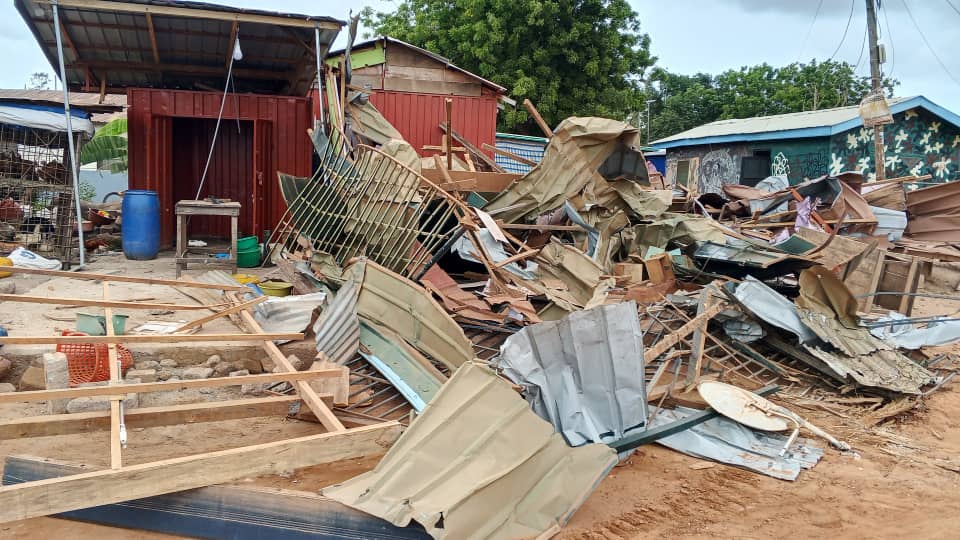
Bridges, culverts, and drainage channels should have adequate capacity. They must accommodate increasing volumes of runoff. This runoff is associated with rapid urbanization and changing weather patterns. Weak enforcement has allowed many illegal structures to remain in waterways.
Consistent enforcement of existing planning and environmental laws would significantly reduce flood disasters. It would also protect investments in public infrastructure. This approach would ensure the long-term sustainability of urban development.
The environmental expert recommended rewarding individuals and communities demonstrating exemplary environmental stewardship. Conversely, those who deliberately violate sanitation and planning regulations must face appropriate penalties. This balanced approach encourages responsible behavior and promotes environmental compliance.
Mrs. Ofori-Yeboah appealed to government agencies and community members to collaborate. They must safeguard waterways and enforce planning regulations without fear or favor. This collective effort is crucial for mitigating future flood risks and protecting economic stability.