Ghana and Burkina Faso have officially reopened trade in eggs and tomatoes. This follows high-level discussions between officials from both countries. The agreement eases restrictions that had disrupted Ghanaian egg exports and affected cross-border food trade.
The new arrangement removes restrictions on the export of eggs from Ghana to Burkina Faso. It also allows for the importation of tomatoes from Burkina Faso into Ghana. These engagements aim to strengthen bilateral trade relations between the two West African nations.
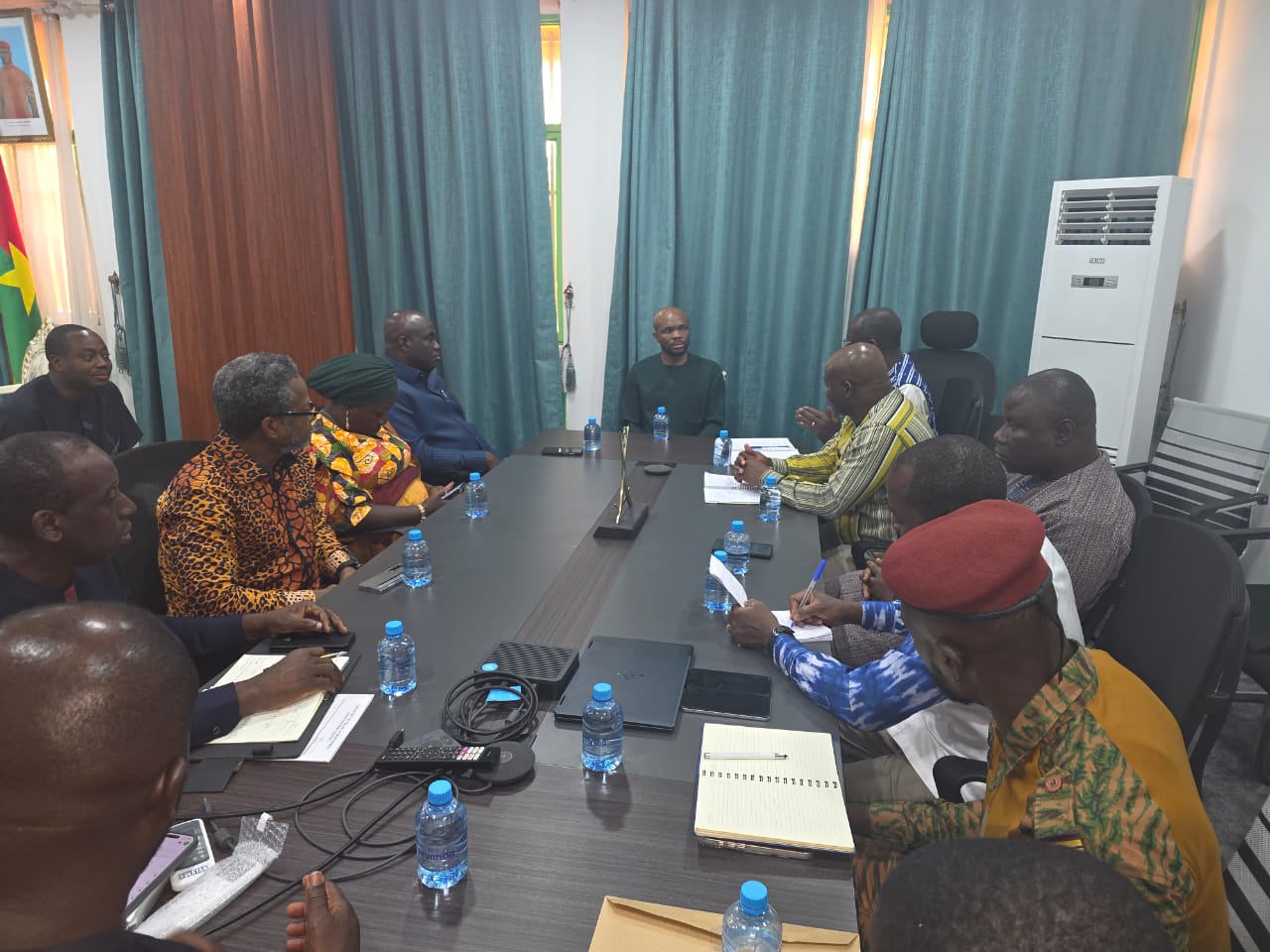
The breakthrough followed discussions held on Friday, July 17. Burkinabe authorities met with a Ghanaian delegation. The delegation was led by the Minister for Trade, Agribusiness and Industry, Elizabeth Ofosu-Adjare. The Minister for Food and Agriculture, Eric Opoku, also participated.
This outcome provides relief to Ghanaian poultry producers and egg exporters. Those in the Dormaa area were particularly affected. Their access to the Burkinabe market had been impacted by recent trade restrictions. Burkina Faso had introduced these restrictions as a precautionary measure. Concerns over quality issues associated with eggs from some exporting countries prompted the action.
The reopening of the trade route represents a commercial win for exporters. It is also a diplomatic intervention. It protects confidence in Ghanaian agricultural products. The government stated its commitment to protecting Ghanaian traders and producers. It also aims to promote stronger trade relations with neighbouring countries.
The decision is significant because food trade between Ghana and Burkina Faso is substantial. It forms part of a wider economic relationship. This relationship links northern Ghana, poultry-producing zones, tomato traders, and transport operators. Border communities are also connected to regional markets.
For Ghanaian poultry farmers, especially egg producers, access to Burkina Faso is crucial. It provides an important outlet for surplus production. Disruptions to this trade can quickly create pressure on farm incomes. It also impacts working capital and local supply chains. This is particularly true in production hubs like Dormaa.
For Ghanaian tomato traders and consumers, Burkina Faso remains a critical supply source. This is especially true when domestic production cannot meet market demand. Any restriction on tomato imports can affect availability and prices. It also impacts the livelihoods of traders who depend on seasonal cross-border supply.
To prevent future disruptions, the two countries have agreed to establish a Joint Technical Committee. This committee will ensure smoother trade flows. It will also deal promptly with challenges that may arise. This mechanism could resolve sanitary, phytosanitary, quality-control, documentation, and border-clearance issues. It aims to address these before they escalate into trade bans or informal restrictions.
Ghana and Burkina Faso are also expected to work toward a Bilateral Trade Agreement. This agreement aims to strengthen economic cooperation. It will reduce trade barriers and improve market access for goods and services. Such an agreement aligns with the broader regional integration agenda. African countries are encouraged to remove non-tariff barriers. They are also urged to strengthen cross-border value chains and deepen trade under the African Continental Free Trade Area.
The engagement also covered Ghana’s participation in this year’s International Arts and Crafts Trade Fair in Burkina Faso. The Minister for Trade, Agribusiness and Industry informed Burkinabe authorities that Ghana would send a high-level delegation. This delegation will showcase locally made products and services.
Trade figures highlight the importance of this relationship. Ghana’s exports to Burkina Faso increased from GHS 573.00 million in 2024 to GHS 637.00 million in 2025. This represents growth of 11.17%, according to figures from the Ministry. This growth points to the commercial importance of Burkina Faso as a destination for Ghanaian goods. It reinforces the need for both countries to protect trade channels from sudden administrative and regulatory disruptions.
The Ghanaian delegation included Ghana’s Ambassador to Burkina Faso, Sem Kenneth Akibate. Officials from the Embassy and technical representatives from the Ministry of Trade, Agribusiness and Industry also attended. Private-sector representatives, including egg exporters, were also part of the delegation. The inclusion of the private sector is important. Producers and traders often feel the impact of border restrictions first. Their participation in the talks suggests the government recognized the need to involve affected businesses directly in negotiations.