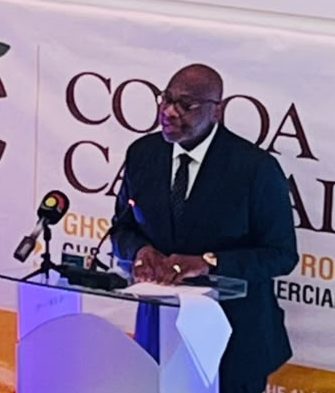
Ghana Cocoa Board (COCOBOD) has successfully secured GHS 3.396 billion through its inaugural domestic commercial paper issuance. This 266-day senior unsecured instrument, issued through Cocoa Capital PLC, achieved a clearing yield of 11%.
The transaction attracted GHS 3.586 billion in bids from 38 institutional investors, with COCOBOD accepting 36 bids. This issuance represents the first under Cocoa Capital's larger GHS 16.3 billion Domestic Cocoa Notes Programme. This programme includes GHS 14 billion for cocoa purchases and GHS 2.3 billion to refinance existing obligations.
This move signifies a strategic shift for COCOBOD, aiming to replace its traditional reliance on offshore syndicated loans with domestic financing. By tapping into Ghana’s banking, pension, and investment sectors, COCOBOD seeks to reduce currency mismatch risks associated with foreign-denominated debt. This approach also broadens the range of investable securities available to local financial institutions.
Dr. Ransford Annetey Abbey, COCOBOD Chief Executive, described the transaction as a crucial milestone. He stated that the listing on the Ghana Fixed Income Market represents an important evolution in Ghana’s cocoa-financing framework. Dr. Abbey highlighted the collaboration among public institutions, regulators, and capital-market participants as key to achieving this national objective.
Investor demand exceeded the accepted allocation by approximately GHS 190 million, resulting in a bid-to-allocation ratio of about 1.06 times. However, the issuance fell GHS 604 million short of the indicative GHS 4 billion target. This outcome demonstrates the domestic market's capacity to mobilise several billion cedis for strategic financing, while also indicating limits to institutional demand when competing with other investment opportunities.
COCOBOD described this as the largest cash raise by a quasi-government-sponsored special-purpose vehicle in Ghana’s domestic market. Future successful issuances could establish a template for public institutions to raise financing without exclusive reliance on central government borrowing or foreign creditors. Borrowing in cedis reduces the risk of having to repay in dollars while earning and spending in different currencies.
The 11% clearing yield represents a financing cost that must be supported by proceeds from cocoa sales. The sustainability of this instrument depends on effective procurement, export execution, and cash-flow management. The 266-day maturity adds a timing risk, requiring cocoa receivables to arrive promptly to meet repayment obligations.
To strengthen repayment arrangements, selected receivables from executed cocoa forward-sales contracts have been assigned to Cocoa Capital. Collections will pass through ring-fenced accounts governed by an agreed payment waterfall. This structure aims to improve discipline and provide investors with clearer visibility over expected cash flows. Despite these measures, the instrument remains senior and unsecured, with investors relying on the quality of assigned receivables and the strength of the transaction structure. The proceeds will finance cocoa purchases during the 2026/27 crop season.