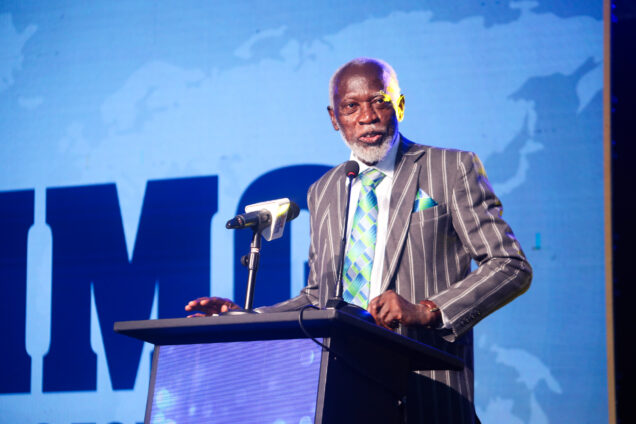
Ghana's recorded gold production surged to 103 tonnes in 2025, a significant increase from 63 tonnes in 2024. This growth is largely attributed to improved formalisation and capture of output from small-scale miners, according to Professor Stephen Adei, former Rector of the Ghana Institute of Management and Public Administration (GIMPA).
Professor Adei, speaking at the 37th CIMG Annual National Marketing Performance Awards, emphasized that this rise in production has brought more gold into Ghana's formal system. This addresses previous concerns about Ghanaian gold being recorded in destinations like Dubai and India without proper reflection in national figures. The increased gold sales to the Bank of Ghana are also contributing to the country's foreign exchange reserves.
This development fits into Ghana's broader economic strategy to leverage its natural resources for national development and reserve accumulation. The establishment of the Ghana Gold Board (GoldBod) has played a crucial role in formalising the small-scale mining sector. This formalisation aims to ensure that the economic benefits of gold production are fully realised within the country, supporting the national currency and overall economic stability.
Professor Adei cautioned that the economic gains, partly supported by favourable international gold prices around $4,000 per ounce, could face difficulties if prices fall significantly. He stressed that the economic benefits must not overshadow the environmental and financial costs to the state. He referenced figures from the Institute of Fiscal Studies, indicating that small-scale mining accounted for over half of Ghana's gold exports in the previous year, yet the state collected no mineral royalties from this sector.
He urged the government to enforce responsible small-scale mining practices, warning that Ghana's gold production must not come at the cost of poisoned rivers, destroyed farmlands, and widespread environmental damage. Professor Adei insisted that gold must be mined responsibly, stating, "even our small-scale mining can be done in a way in which it does not leave the residue of death." He argued against stopping small-scale mining entirely, advocating instead for stringent safeguards.
The call for responsible mining highlights a persistent challenge in Ghana: balancing economic growth with environmental protection. Irresponsible mining practices, often referred to as 'galamsey', have devastated water bodies and agricultural lands across the country. This environmental degradation poses long-term threats to public health and food security, undermining the very communities that could benefit from mining activities.
Professor Adei's remarks underscore the need for robust regulatory frameworks and effective enforcement mechanisms. He suggested that Ghana could increase gold production while implementing safeguards to protect the environment and public health. He pointed out that other gold-producing countries manage to extract gold without the severe environmental consequences seen in Ghana, implying that better practices are achievable.
The implications of this surge in gold production, coupled with environmental warnings, are significant for Ghana's economic future and sustainability. Policymakers must now focus on strengthening oversight of the small-scale mining sector to ensure compliance with environmental standards. This includes implementing technologies and methods that reduce pollution and land degradation. The government's response to these calls for responsible mining will determine whether Ghana can achieve sustainable growth from its gold resources without irreversible environmental harm.
The balance between economic prosperity from gold and environmental stewardship remains a critical policy area. Ensuring that the state collects appropriate royalties from the small-scale mining sector is also vital for public finance. This revenue can then be reinvested into environmental restoration and community development. The long-term health of Ghana's environment and its citizens depends on these crucial decisions.