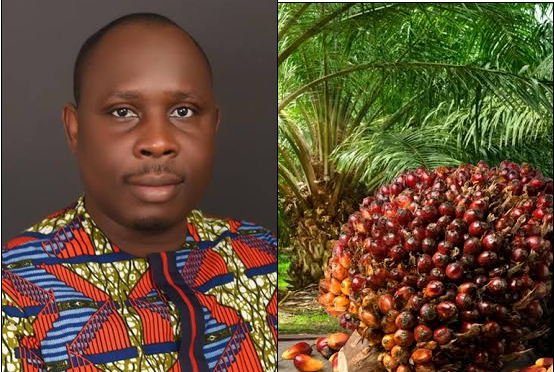
Ghana needs an additional 150,000 metric tonnes of crude palm oil annually to satisfy domestic demand. The country's current production stands at 250,000 metric tonnes, while demand reaches approximately 400,000 metric tonnes.
This substantial production gap creates a clear opportunity for increased investment in Ghana's oil palm sector. Paul Kwabena Amaning, President of the Oil Palm Development Association of Ghana (OPDAG), highlighted this need. He spoke at a workshop focused on financing and digital financial services within the industry. Addressing this deficit could strengthen the sector's competitiveness and reduce reliance on imports.
Ghana's agricultural sector is a cornerstone of its economy, employing a significant portion of the workforce. The palm oil industry supports about 631,000 people across 360,000 hectares of cultivated land. Bridging this supply gap would not only ensure food security but also boost rural employment and economic activity. This aligns with broader government efforts to industrialize and add value to local raw materials, reducing import bills.
Mr. Amaning stated that a proposed US$500 million financing package could address many sector challenges. He stressed that this financing must include smallholder farmers, aggregators, and artisanal processors. These groups are vital to palm oil production and rural economies but often struggle to access credit and modern equipment. Their inclusion is crucial for equitable and sustainable growth.
The implications of this supply shortfall are significant for Ghana's economy and consumers. A persistent deficit could lead to higher prices for palm oil, impacting household budgets and manufacturing costs. It also means Ghana spends foreign exchange on imports that could be produced locally. Increased investment would create jobs, improve farmer incomes, and strengthen the cedi by reducing import dependency.
OPDAG advocates for greater use of digital financial services to improve payment systems and business operations. Digital tools can enhance payment security, record-keeping, and transparency for farmers, processors, and traders. This transparency can help financial institutions better assess small businesses for loans. However, successful digitalization requires reliable connectivity, affordable transaction fees, and accessible payment agents.
Mr. Amaning also called for stronger collaboration among various stakeholders. Government agencies, banks, financial technology companies, and mobile network operators must work together. Mills, buyers, and industry associations also play a critical role in supporting the oil palm sector's growth. This collaborative approach is essential for unlocking the sector's full potential.
The development of a traceability and revenue assurance system is another key initiative. This system could improve industry records and facilitate access to finance for businesses. Better data allows financial institutions to make more informed lending decisions. Ultimately, closing the 150,000-tonne gap requires a multi-faceted approach combining capital, technology, and policy support. This will ensure Ghana's palm oil sector thrives and meets national demand.