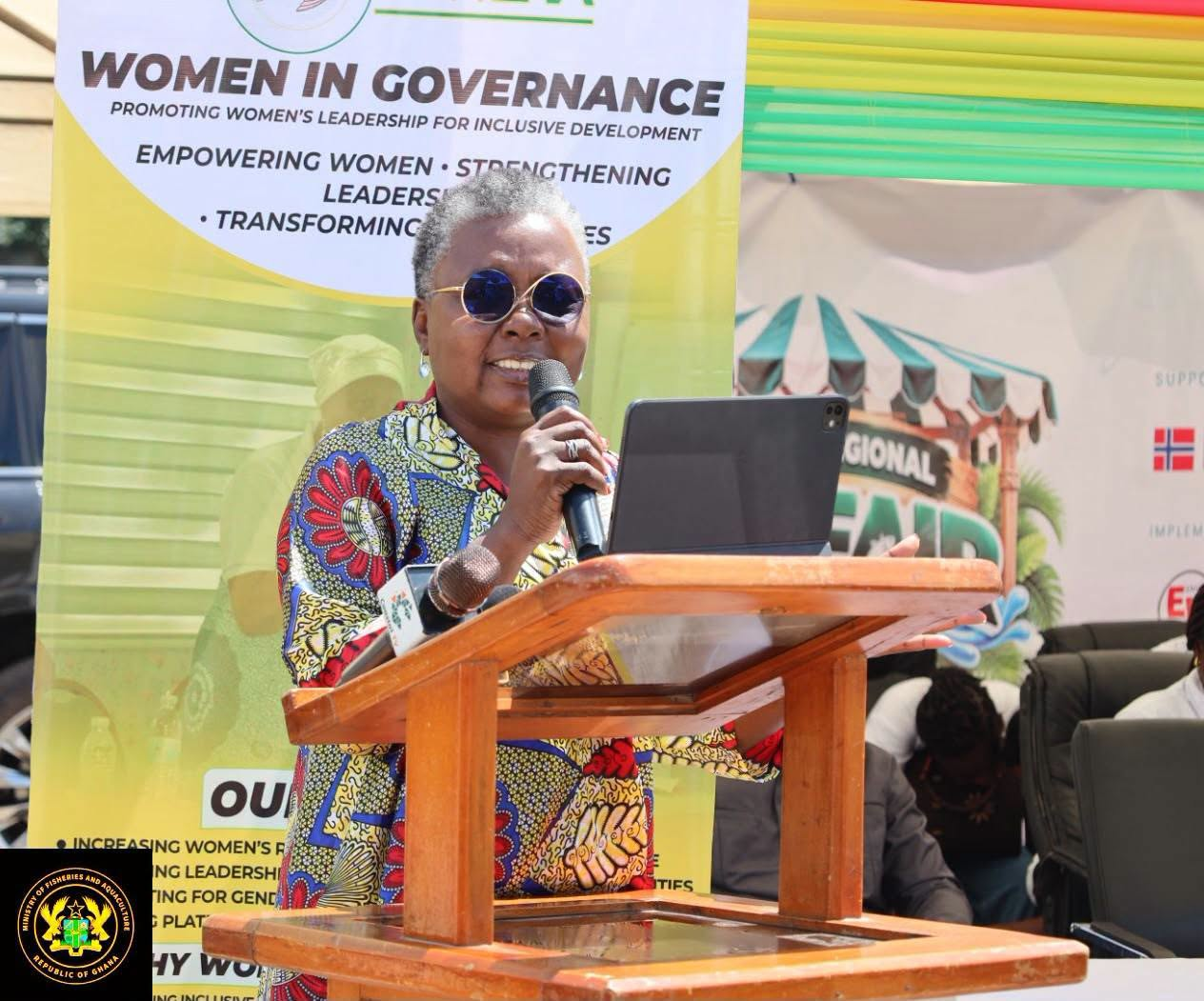
Ghana's government has launched a concerted effort to improve food safety and significantly reduce post-harvest losses within its crucial fisheries sector. This strategic push focuses on safer fish processing, enhanced storage facilities, and stricter hygiene standards across the entire value chain. These priorities emerged prominently at the 2026 Central Regional Fish Fair held at Adisadel College Park in Cape Coast on October 9.
The initiative aims to safeguard consumer health, improve the economic well-being of fish processors and traders, and ensure national food security. Poor handling and unsafe processing practices currently lead to substantial economic losses and pose public health risks. Investments in better processing methods are expected to create new economic opportunities while protecting consumers from unsafe products.
This drive fits into Ghana's broader economic strategy to strengthen key sectors and improve local value addition. The fisheries sector is a significant contributor to the national economy and provides livelihoods for millions. Addressing post-harvest losses, which can be as high as 40% in some parts of the value chain, directly impacts national food supply and income generation. Previous efforts have focused on increasing fish production, but now the emphasis shifts to preserving the catch and ensuring its safe delivery to market.
Minister for Fisheries and Aquaculture, Emelia Arthur, underscored the importance of these measures. She stated, “Every fish lost is income lost. Every unsafe fish sold puts lives at risk.” The Ministry is specifically prioritising improved fish-smoking technology, cold-chain storage solutions, and better access to financing. These efforts particularly target women, who dominate fish processing and trade across Ghana. These interventions are designed to limit losses after fish are landed, preserve product quality, and ultimately improve the earnings of businesses operating in the sector.
Looking ahead, the government plans to strengthen food safety enforcement. This involves collaboration with key regulatory bodies such as the Food and Drugs Authority, the Ghana Standards Authority, and environmental health officers. Metropolitan, Municipal, and District Assemblies will also play a crucial role in improving sanitation at landing beaches and processing sites. The Ministry is actively working to combat illegal and unsafe processing methods, which compromise fish quality and endanger consumers.
Emmanuel Dovlo, Central Regional Director of the Fisheries Commission, urged processors to pursue food safety certification. He highlighted that certification offers an opportunity to access premium markets, improve profit margins, and build consumer confidence. Higher processing standards will also reduce health risks associated with unsafe fish handling. This move could unlock new export opportunities and increase the sector's overall profitability.
CEWEFIA & Partners, represented by Head of Programmes Nicolas Smith, also stressed the importance of technical training, modern processing equipment, and business support. These elements are vital for raising standards throughout the fish value chain, from capture to distribution. Regional Director of Agriculture Ebenezer Azasu, representing the Central Regional Minister, further called for action against illegal fishing, aquatic pollution, and illegal mining. These activities pose severe threats to marine habitats and the livelihoods of fishing communities.
The two-day fair, concluding on October 10, featured exhibitions by civil society organisations, regulatory agencies, financial institutions, and educational institutions. It also included networking sessions connecting processors with buyers and equipment suppliers. This event is expected to build momentum towards the World Fisheries Day celebrations scheduled for Accra on November 21. Stakeholders will continue their efforts to promote sustainable fishing practices and ensure safer fish products for all Ghanaians.