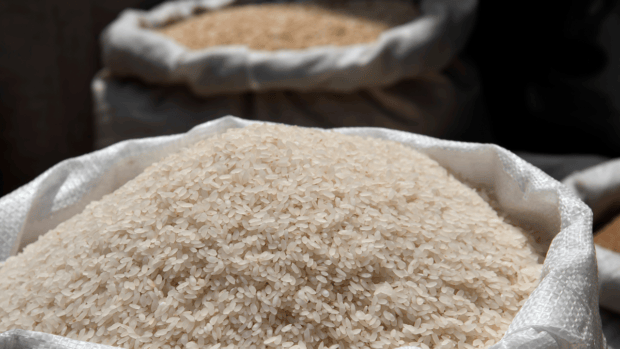
Ghana imported more than 1.8 million metric tonnes of rice, revealing a substantial domestic market for local producers. The Importers and Exporters Association of Ghana (IEAG) is actively seeking international investment to enhance the competitiveness of locally grown rice.
This significant import volume underscores Ghana's reliance on foreign rice and presents a clear opportunity for domestic expansion. Investment is crucial for improving seed varieties, increasing farm yields, and upgrading packaging standards. These improvements are essential for local producers to compete effectively against imported rice, which currently dominates the market.
Ghana's persistent dependence on imported rice impacts its trade balance and food security. Reducing this import bill aligns with broader government efforts to promote local industries and agricultural self-sufficiency. Previous initiatives, like 'Planting for Food and Jobs', aimed to boost domestic food production, but rice self-sufficiency remains a challenge.
Mr. Samson Asaki Awingobit, Executive Secretary of the IEAG, emphasized the need for these investments. He made his appeal during the 2026 International World Rice Conference in Manila, Philippines. Mr. Awingobit specifically encouraged Vietnamese businesses and other global investors to explore Ghana's rice production sector.
Increased investment could significantly bridge the gap between domestic supply and demand. This would reduce Ghana's import dependency and strengthen the local agricultural sector. Policymakers are also engaging major rice importers to prioritize locally produced rice for distribution, aiming to address supply shortfalls and prevent food insecurity. This strategy requires careful balancing to ensure stable prices and adequate supply for consumers.
For businesses, the import dependence offers potential across the entire rice value chain. This includes commercial farming, seed production, irrigation, milling, storage, packaging, and distribution. Capturing this market requires more than just expanding cultivation; producers must also address productivity, quality consistency, and post-harvest losses. Investment in these areas will ensure local rice meets consumer expectations and market demands.
Mr. Awingobit identified seed quality, improved yields, and packaging as critical areas for investment. Better seeds and farming practices can increase output, while improved milling and packaging enhance product quality and presentation. These investments are vital because domestic producers compete on price, grain quality, consistency, and consumer preferences. For investors, the opportunity extends to building integrated supply chains connecting farmers to processors, distributors, and retailers.
Such investments would also create business opportunities for local enterprises supplying agricultural inputs, machinery, transport, and storage services. However, commercial viability depends on managing production costs, ensuring reliable access to water and electricity, securing favourable financing conditions, and establishing dependable markets for locally produced rice. The government's engagement with importers to prioritize local rice is a step towards securing these markets.
Any reduction in import dependence must be supported by sufficient domestic production. If local supply cannot meet demand at competitive prices, restrictions on imports could lead to shortages or higher costs for consumers. A sustainable strategy therefore requires coordinated investment across production, processing, logistics, and market access. This integrated approach is essential for long-term success.
Mr. Awingobit's participation in the World Rice Conference, his third appearance, highlights Ghana's commitment to global partnerships. His recognition by the conference organizers, The Rice Trader and the International Commodity Institute, underscores his contributions to the global rice industry. Continued engagement with international stakeholders can strengthen trade partnerships and expand business opportunities for Ghana.
The commercial priority for Ghana is to translate these international relationships into concrete investments. These investments must increase domestic production, improve processing capacity, and enable local rice businesses to serve a larger share of the market. With competitive production and reliable supply chains, these efforts can create opportunities for farmers and agribusinesses while significantly reducing the proportion of domestic demand met by imported rice.