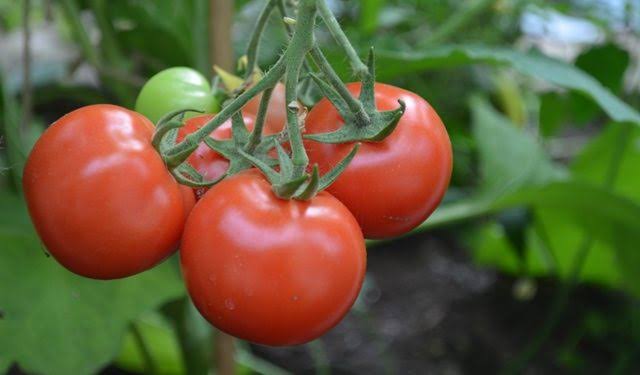
Tomato farmers in Ghana's Keta area are facing severe financial pressure due to a significant surplus harvest. Production has increased by as much as 40 percent compared to last year, yet farmers struggle to find buyers. This situation has caused prices for a standard basket of tomatoes to plummet from over GHS 800 to GHS 400-450.
This sharp price decline stems from a critical lack of adequate post-harvest infrastructure. Ghana lacks sufficient storage and processing facilities, alongside limited market access for the increased output. Farmers who invested heavily in seeds, labour, fertiliser, and irrigation now risk turning a productive season into a loss-making one. The surplus highlights a structural problem where increased domestic production does not automatically lead to higher farmer incomes.
The current glut occurs despite Ghana's strategic efforts to reduce its reliance on imported tomatoes. The country spends between GHS 650 million and GHS 760 million annually on fresh tomatoes and paste imports. Ghana's annual tomato requirement stands at about 805,000 tonnes, while domestic production is approximately 510,000 tonnes. This gap often leads to significant imports, especially during the dry season, with Burkina Faso supplying up to 90 percent of these needs.
Municipal Director of Agriculture, Emmanuel Tetteh, confirmed that while consumers benefit from lower prices, farmers face serious financial strain. He noted that improved weather conditions and better farming practices contributed to the 40 percent production increase. Farmer Wonder Awoworyi from Woe also cited improved weather and access to drought-resistant seedlings for the strong harvest. He warned that persistent selling difficulties could discourage young people from farming.
The immediate solution, according to traders and agricultural experts, involves creating more channels to absorb surplus tomatoes. Akua Dufie, a trader at Keta Central Market, urged the National Food Buffer Stock Company and the school feeding programme to buy directly from farmers. She also advocated for investments in processing plants and improved cold storage facilities. Felix Kwabla Gbekor, Keta secretary of the Southern Sector Vegetable Farmers and Markets Association, warned that farmers might lose motivation to expand production if market weaknesses persist. Agriculturalist Aaron Gadagbi echoed calls for expanded state purchasing to provide a reliable market and reduce post-harvest losses.
These calls align with Ghana's broader strategy to strengthen its domestic tomato value chain. The Chamber of Agribusiness Ghana's National Tomato Production Strategy for 2026 to 2030 proposes building 50 cold storage facilities with a combined capacity of 150,000 tonnes. This strategy also aims to cut Ghana's tomato paste import bill from over US$100 million annually to US$20 million by 2030. The current situation in Keta underscores the urgent need for these planned interventions to bridge the gap between farm output and market absorption. Without these changes, increased production will continue to harm rather than help local farmers.
The experience of Keta farmers demonstrates how significant post-harvest losses, estimated at 30 percent of local production or 153,000 tonnes, can occur even with successful cultivation. The government's efforts to rehabilitate irrigation schemes, making 500 hectares available for tomato production with guaranteed buyer agreements, offer a potential path forward. Such arrangements are crucial as Ghana expands irrigated agriculture and encourages farmers to boost output. However, the Keta situation shows that production increases must be matched by robust market infrastructure to ensure farmer profitability and national food security.