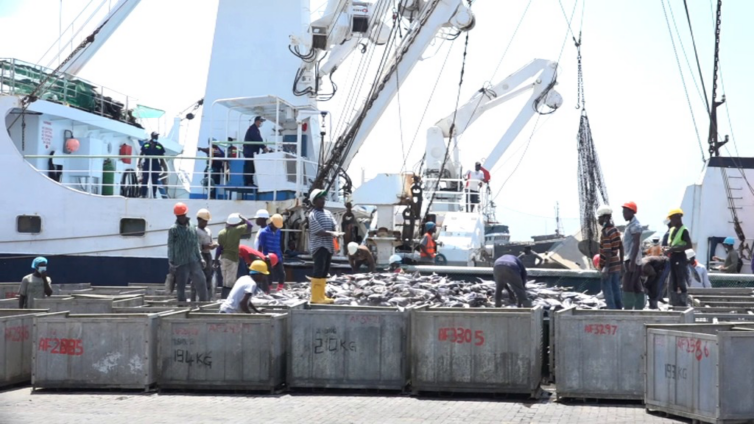
Ghana's tuna industry faces a severe crisis as all 20 hook-and-line fishing vessels have ceased operations. This collapse is due to escalating operational costs and significant gaps in local expertise, leaving only 17 purse seine vessels active.
The entire hook-and-line fleet is now non-operational, according to Richster Amarh Amarfio. He is a member of the Tuna Association and Vice President of the National Fisheries Association of Ghana (NAFAG). This situation directly affects local tuna processors, including Pioneer Food Cannery and Cosmo Foods, who rely on a steady supply of locally caught fish.
This development highlights broader challenges within Ghana's fishing sector and its impact on the national economy. The fishing industry contributes significantly to employment and food security. The decline of a major segment like tuna fishing signals deeper structural issues, including high input costs and infrastructure deficits. Ghana's economic stability depends on the health of such vital sectors, and this crisis could lead to job losses and reduced export earnings.
Richster Amarh Amarfio explained that Ghana is permitted 37 tuna vessels under the International Commission for the Conservation of Atlantic Tunas (ICCAT). Of these, 17 use purse seine nets, and 20 operated with the hook-and-line method. He noted that none of the 20 hook-and-line vessels are currently operational. This leaves only the 17 purse seine vessels actively fishing.
The primary driver of this collapse is the prohibitive cost of fuel. Tuna vessels do not receive the fuel subsidies available to other fishing operations. They purchase fuel at the full market price, which is currently around GHS 18 per litre. A single fishing trip can require up to 270,000 litres of fuel. This translates into millions of cedis in fuel expenditure alone for each vessel.
Beyond fuel, other costs have also surged. Licensing fees have increased sharply, from US$35 per gross registered tonnage (GRT) to US$135 per GRT. For a 1,000 GRT vessel, this means an annual licence cost of US$135,000, up from US$35,000. Port charges, pegged to the US dollar, further expose businesses to exchange rate fluctuations. Security costs have also risen, with vessels now needing to carry armed naval personnel due to increased threats at sea.
A critical operational challenge for hook-and-line vessels is securing live anchovies for bait. Restrictions on using light as an aggregating device make it difficult to harvest bait quickly. Some operators spend up to two weeks searching for bait before even starting tuna fishing. This extended search time significantly reduces profitability and makes it hard to break even.
Ghana also faces a shortage of specialised local tuna-fishing personnel. All tuna vessel captains are currently Korean, and many are ageing. This creates an urgent need to train and develop a local pool of skilled crew members. The lack of local expertise adds to operational costs and long-term sustainability concerns.
Maintenance infrastructure is another significant hurdle. Vessels often face prolonged waits for dry-dock services, sometimes up to two years, even at facilities like the Port of Abidjan in Côte d’Ivoire. This delay keeps vessels out of commission, further impacting revenue and increasing costs. The combined strain of ageing vessels, high maintenance, fuel, labour, licensing, security, and port costs makes it increasingly difficult for fishing businesses to remain viable.
The health of Ghana's tuna fleet is directly linked to the survival of the local processing industry. Declining production makes it harder for processors like Pioneer Food Cannery and Cosmo Foods to secure enough raw materials. This situation could lead to reduced output, potential job losses in processing plants, and a reliance on imported tuna. The government and industry stakeholders must address these issues urgently to safeguard this vital sector.