Ghanaian agri-tech platform SankofaFresh has achieved a significant 50% reduction in post-harvest losses for its first commercial user, Leehouse and Chemical Ventures. The Accra-based food manufacturer saw plantain losses drop from one in five loads to one in ten since adopting the platform in March 2025. This improvement highlights the potential of technology to address a major challenge in Ghana's agricultural sector.
SankofaFresh employs data and machine learning to combat food spoilage between harvest and retail. The platform combines cold-chain monitoring with a matching system. Temperature and humidity sensors track produce conditions in storage and transit, alerting users to potential spoilage risks. The system also schedules pickups and pairs harvests with suitable buyers based on volume, location, and quality, ensuring timely sales.
This innovation directly tackles Ghana's substantial post-harvest loss problem. Researchers estimate that 30% to 50% of fruits and vegetables in Ghana are lost along the value chain. Across sub-Saharan Africa, 23% of food is lost between harvest and retail, the highest rate globally, according to FAO data. These losses severely impact smallholder farmers' incomes and reduce food availability for consumers.
Joshua Kojo Aduampong Mantey, Head of Data and Artificial Intelligence at SankofaFresh, co-founded the platform. He developed the model that estimates spoilage risk and the farmer-to-buyer matching algorithm. Mantey stated, "A lot of the food we lose in Ghana is lost in the days after harvest, when nobody can see what is happening to it. We wanted to make that visible." His work at Northeastern University as a PhD researcher in chemical engineering underpins this data-driven approach.
Leehouse and Chemical Ventures, located in Mallam Gbawe, processes Ghanaian staples like gari, plantain, and cocoyam fufu. They also export to markets including the United States and Canada. The company began using SankofaFresh for cassava and plantain deliveries from 40 supplier farms. An operations manager at Leehouse confirmed the substantial reduction in plantain losses, from 20% to 10%.
A plantain farmer from Nkawkaw, supplying Leehouse, reported improved predictability and income. The farmer noted, "Now I know ahead of time when the truck is coming and what price I'll get, so less of my harvest sits and rots." This direct benefit to farmers underscores the platform's positive economic impact at the grassroots level.
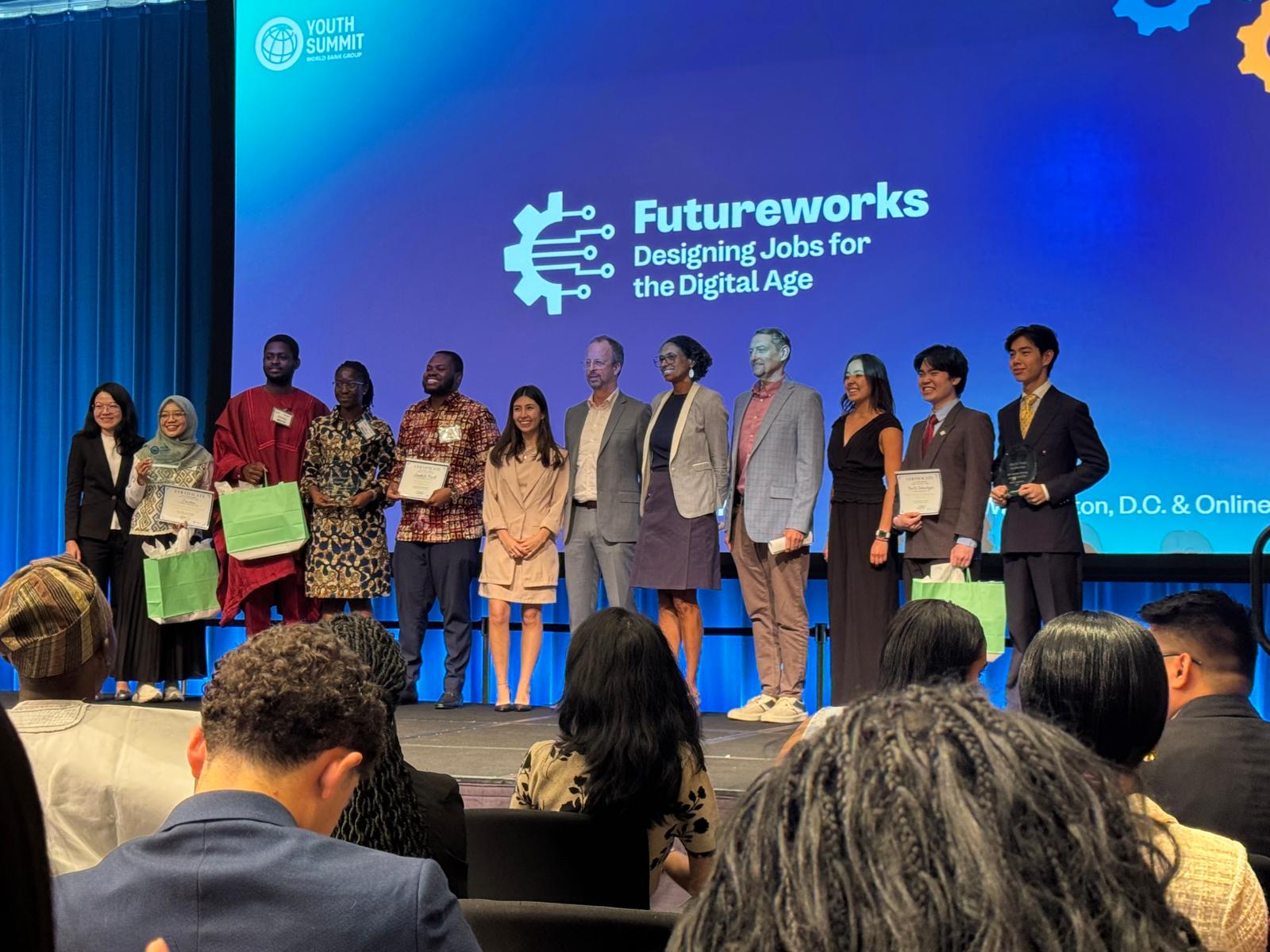
SankofaFresh, co-founded by Rhoda Osei-Nkwantabisa, Joshua Kojo Aduampong Mantey, George Arthur, and Rosemary Aku Agbozo, gained recognition in 2026. It was a finalist in the World Bank Group Summit Pitch Competition and won the People's Choice Award. The team plans to expand its monitoring services to two additional processors in 2027. They will also publish further data on loss reduction, demonstrating broader scalability and impact.
Reducing post-harvest losses can significantly boost Ghana's food security and agricultural economy. Lower spoilage means more produce reaches markets, potentially stabilizing food prices for consumers. It also increases profitability for farmers, encouraging investment in agricultural practices. The success of SankofaFresh with Leehouse provides a strong case study for wider adoption of agri-tech solutions across the country. This could lead to a more efficient and resilient food supply chain in Ghana.