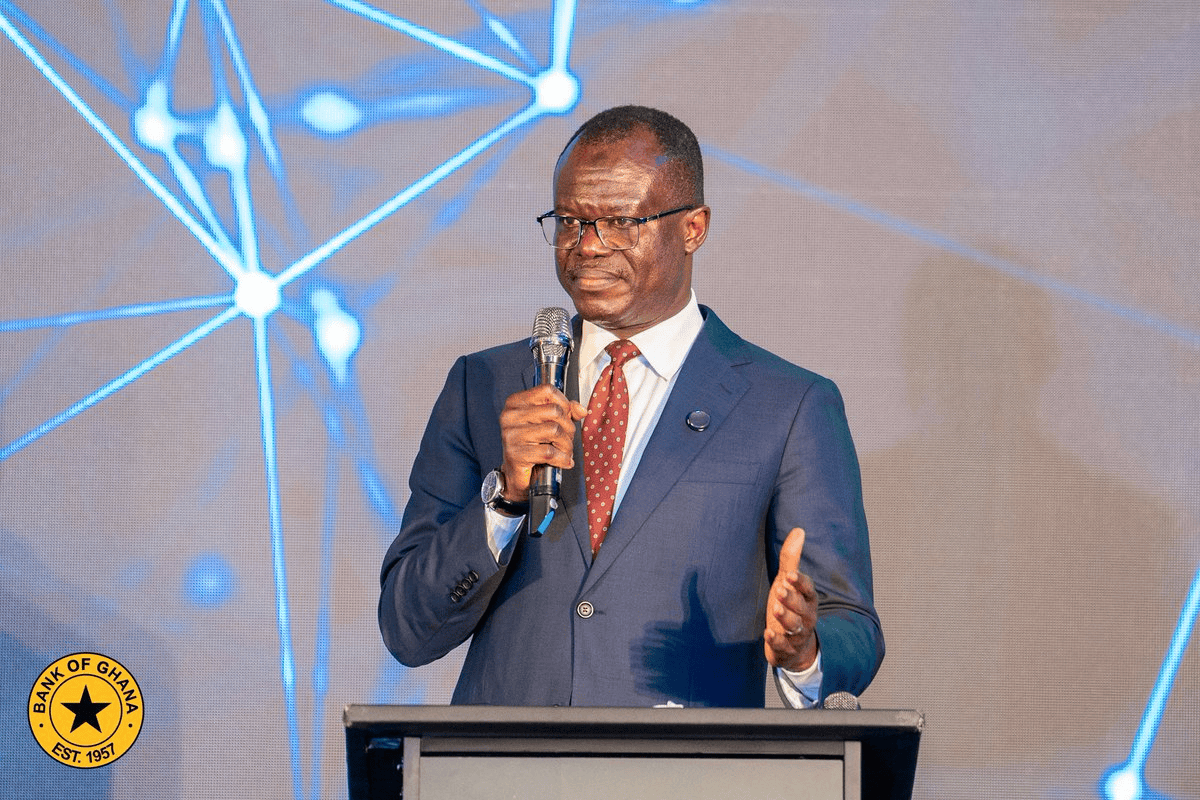
Dr. Zakari Mumuni, First Deputy Governor of the Bank of Ghana, has urged African leaders to develop commercially viable investment projects. This call aims to make the continent's opportunities more attractive to global investors. He made these remarks at the High-Level West Africa–Asia Capital Dialogue in Bangkok, Thailand.
Dr. Mumuni stated that African countries must take responsibility for preparing these investment opportunities. He also noted that international partners should assess them fairly. They must work with local stakeholders to develop solutions that can succeed commercially. This approach ensures a shared commitment to project success.
This initiative fits into Ghana's broader economic strategy to attract foreign direct investment. Ghana, like many African nations, seeks capital to boost economic growth and create jobs. The country has been working to improve its business environment and reduce investment risks. Data from the Ghana Investment Promotion Centre (GIPC) consistently highlights the need for more structured projects.
“Our responsibility in Africa is to make opportunities more investable,” Dr. Mumuni stated. He added, “Our partners’ responsibility is to assess those opportunities objectively and work with us to develop commercially viable solutions.” This statement underscores a collaborative yet self-reliant approach to investment attraction.
The focus on bankable projects implies a shift towards more rigorous preparation and risk-sharing frameworks. This could lead to increased foreign capital inflows into critical sectors. Decision-makers will need to prioritize project feasibility studies and clear contractual agreements. Markets will likely respond positively to concrete steps that reduce investment uncertainty.
Dr. Mumuni highlighted that economic stability, while crucial, is only the first step for investors. They also consider the reliability of regulations and the enforcement of contracts. Access to essential infrastructure, such as roads and power, is equally important. Investors also assess risks associated with project financing and currency exchange volatility.
He identified several key sectors with high investment potential in the region. These include agro-processing, manufacturing, and energy. Transport and logistics, digital services, and financial technology (fintech) also offer significant opportunities. Turning this potential into actual investment requires better-prepared projects and sound feasibility studies.
Clear agreements on how risks will be shared between investors and their partners are also essential. Dr. Mumuni called for closer cooperation among various entities. These include governments, development finance institutions, and export credit agencies. Private investors must also collaborate to reduce investment risks. This cooperation helps move projects from planning to implementation.
The African Continental Free Trade Area (AfCFTA) offers businesses access to a wider market of 1.3 billion people. However, countries must improve trade facilitation and transport links. Better payment systems and dispute resolution mechanisms are also needed. These improvements will make cross-border investment easier and more secure.
Central banks, including the Bank of Ghana, can support these efforts. They do this by maintaining monetary and financial stability. Strengthening payment systems and improving transparency in foreign exchange markets are also vital roles. Ultimately, the commercial success of individual projects depends on their inherent viability and sound execution.
The dialogue, convened by the ECOWAS Bank for Investment and Development, aimed to strengthen investment ties. It focused specifically on fostering connections between West Africa and Asia. This ongoing effort seeks to unlock Africa's vast economic potential through strategic partnerships and well-structured projects.