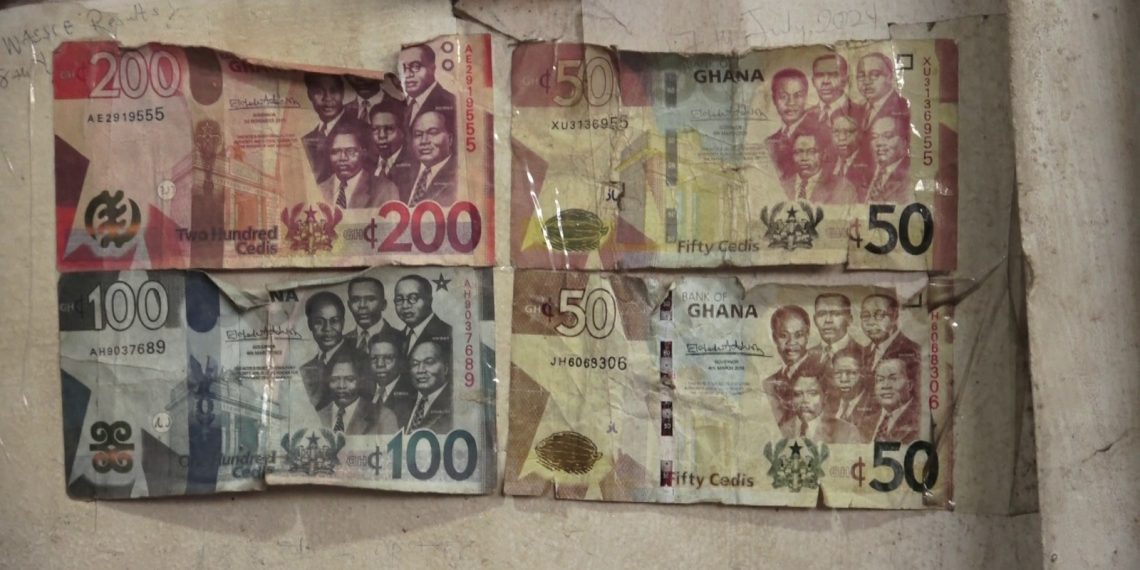
The Bank of Ghana (BoG) has instructed commercial banks nationwide to facilitate the official replacement of damaged cedi banknotes. This directive aims to streamline the process for citizens and maintain the integrity of the national currency.
This measure addresses the common issue of torn or mutilated notes, often damaged in everyday use. The central bank explicitly warns the public against attempting to repair damaged notes with tape, glue, or staples. Such makeshift repairs render the currency unfit for circulation and can harm automated processing equipment.
This initiative fits into Ghana's broader economic efforts to ensure a robust and efficient financial system. A clean cash cycle is crucial for smooth transactions and public confidence in the currency. The BoG has previously taken steps to manage currency quality and circulation, reflecting its commitment to financial stability. For instance, the central bank has also addressed issues like the soaring Non-Performing Loans (NPL) in the Savings & Loans sector, which reached nearly 20%, prompting drastic measures to safeguard financial institutions.
The Bank of Ghana states that commercial banks are fully authorized to examine damaged notes and process them for replacement. "The Central Bank says using makeshift adhesives renders the money unfit for circulation, threatens to damage automated processing machines, and increases the likelihood of vendors rejecting the cash," the source material indicates. This highlights the practical reasons behind the new directive.
Citizens seeking replacement for damaged notes must present more than half of the original banknote to a commercial bank. If less than half of the note remains, it may not meet the eligibility criteria for replacement. This requirement ensures that only genuinely damaged notes are replaced, preventing potential abuse of the system.
The BoG's directive will help protect citizens' funds from rejection by vendors or financial institutions. It also supports the central bank's ongoing efforts to maintain a high standard of currency in circulation. This move will likely improve public trust in the cedi and reduce economic friction caused by unusable banknotes. Businesses will benefit from a more reliable cash flow, as the risk of receiving damaged, unspendable currency decreases. The central bank's vigilance in managing currency quality is a continuous process, essential for Ghana's economic health.
This policy is part of a wider strategy to enhance financial infrastructure and public engagement with banking services. The BoG's consistent communication on currency management underscores its role in safeguarding the financial ecosystem. The public's adherence to these guidelines is vital for the success of the initiative. This ensures that the cedi remains a reliable medium of exchange across all sectors of the Ghanaian economy. The Bank of Ghana continues to monitor currency circulation and implement policies that support economic stability and growth.