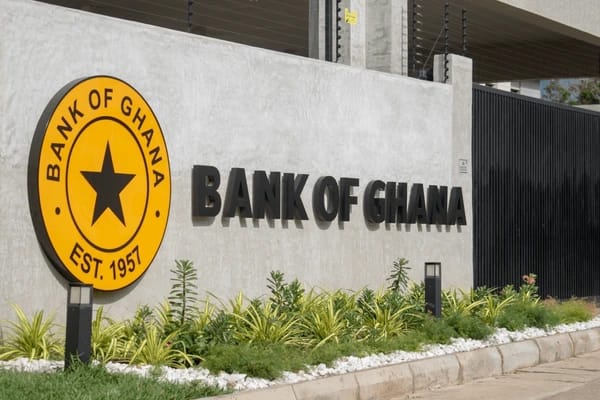
The Bank of Ghana (BoG) has proposed a new regulatory requirement compelling banks to maintain sufficient high-quality liquid assets. These assets must cover their projected net cash outflows over a 30-day period of financial stress. This move aims to strengthen the banking sector's resilience against sudden funding pressures.
This proposal is detailed in the Liquidity Coverage Ratio (LCR) Directive, 2026, an exposure draft published by the central bank on October 9, 2026. The directive mandates banks to hold a Liquidity Coverage Ratio of at least 100 per cent. This means eligible, unencumbered high-quality liquid assets must fully cover total net cash outflows projected over the next 30 calendar days under specified stress conditions. The central bank seeks public and industry comments on this crucial financial stability measure.
This initiative forms part of Ghana's broader efforts to fortify its financial system, following past challenges in the banking sector. Previous reforms addressed issues of insolvency and weak governance. This new directive builds on those efforts, aiming to prevent liquidity problems in individual banks from spilling over into the wider economy. It aligns with international best practices for financial regulation, ensuring banks can absorb economic shocks.
The BoG stated on its website that this consultation follows its Procedures for Issuance of Directives, 2020. Stakeholders have until November 30, 2026, to submit their comments. This public engagement period allows financial institutions and other interested parties to provide feedback on the proposed framework. The central bank will consider all material comments before finalising the directive.
The proposed framework will significantly impact how banks manage their treasury operations and asset allocation. Banks will need to adjust their internal policies, processes, and systems to comply with the new provisions. The directive's effective date is proposed for September 1, 2027. A one-year pilot period will follow, during which banks will submit quarterly reports to the central bank. This monitoring phase will ensure smooth implementation and compliance with the new liquidity standards. After the pilot, monthly reporting will become mandatory.
Under the LCR framework, high-quality liquid assets include cash, qualifying balances with the Bank of Ghana, and eligible government securities. These assets must be easily convertible to cash with minimal loss of value during stress periods. The directive also sets limits on the composition of these liquidity buffers. For instance, Level 2 assets will be capped at 40 per cent of the total high-quality liquid assets. Level 2B assets will be limited to 15 per cent. Banks must also conduct their own liquidity stress tests, extending beyond the minimum 30-day supervisory requirement.
The LCR directive complements other regulatory frameworks, including the Liquidity Risk Management Directive, 2026, and the Liquidity Monitoring Tools Directive, 2026. These combined measures provide both quantitative requirements and supporting tools for monitoring liquidity risk. The final provisions, adopted after the consultation process, will shape how banks prepare for and respond to periods of financial stress. This proactive approach aims to safeguard depositors' funds and maintain confidence in Ghana's financial system.
This regulatory enhancement is crucial for Ghana's economic stability, especially as the nation navigates global economic uncertainties. A robust banking sector is vital for economic growth and investment. The central bank's commitment to strengthening financial resilience underscores its role in protecting the economy. This move ensures that banks remain stable and capable of supporting economic activities even during challenging times.