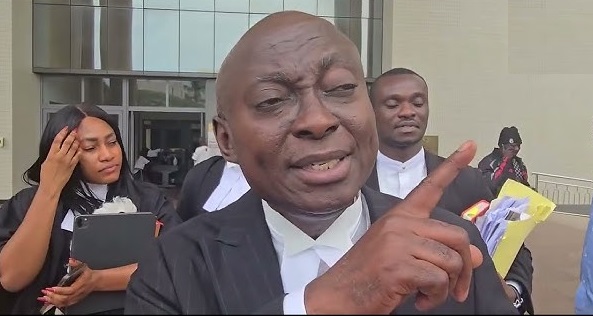
Samuel Atta Akyea, lead counsel for Bernard Antwi Boasiako, popularly known as Wontumi, has strongly criticised the prosecution. He alleges they are misusing state authority to pursue criminal charges against his client. This dispute stems from a loan agreement with the Ghana Export-Import Bank (GEXIM).
Mr. Akyea argues that the matter is a civil debt dispute. He believes it should be resolved through civil proceedings, not criminal prosecution. He stated, "This is an attempt of you using the powers of the state to wade into a civil matter." This comment was made to reporters after a court session on Tuesday, October 13, 2026.
This case highlights ongoing discussions about the appropriate role of state investigative bodies in commercial disputes. Ghana's economic stability relies on clear legal frameworks for debt recovery and commercial transactions. Misinterpreting civil matters as criminal could deter investment and create uncertainty in the financial sector. The integrity of the justice system and its application to business dealings are crucial for investor confidence.
Mr. Akyea warned that such an approach could transform the Economic and Organised Crime Office (EOCO) into a debt recovery agency. He said, "If you are not careful, then EOCO will be reduced to a debt collector." He emphasised that this role is outside EOCO's primary mandate. He also noted that Supreme Court decisions do not support this method of debt recovery.
The implications of this legal stance are significant for Ghana's financial landscape. If state agencies routinely criminalise loan defaults, it could create a chilling effect on lending and borrowing. Banks might become more hesitant to extend credit, especially to businesses, fearing that the legal recourse for non-payment could become overly complex or misdirected. This could impact economic growth and access to finance for many Ghanaian enterprises.
Mr. Akyea further argued that banks should pursue repayment and enforce collateral securities when a borrower defaults. He explained, "If a man owes money, the bank should pursue the man for the money." He added that if collateral was provided, the bank should rely on those assets. He maintained that a loan dispute alone does not automatically constitute criminal conduct.
This case could set a precedent for how loan defaults are handled in Ghana. Financial institutions and businesses will closely watch the outcome. It will clarify the boundaries between civil and criminal legal processes in commercial transactions. The decision will influence future lending practices and the perceived risk of doing business in Ghana.
The ongoing trial involves Bernard Antwi Boasiako, who pleaded not guilty to five new charges. These charges relate to an alleged GHS 30 million loan from Exim Bank. The outcome will shape public perception of justice and economic governance. It will also define the operational scope of bodies like EOCO in commercial disputes.