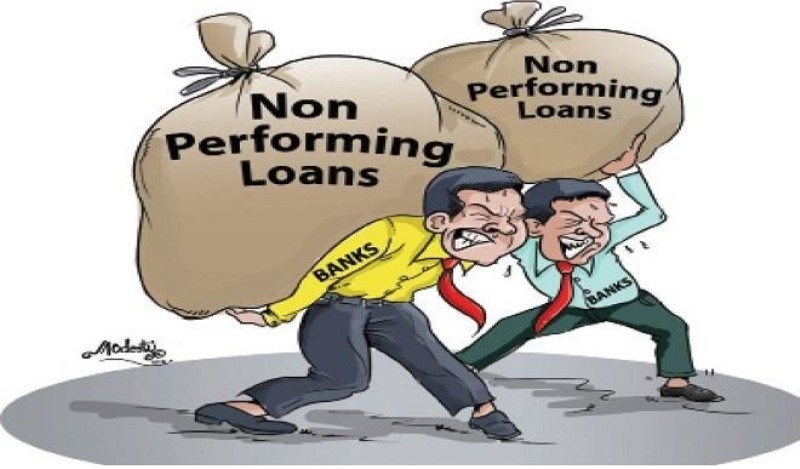
Ghana's savings and loans sector is grappling with a significant increase in bad loans, with its non-performing loan (NPL) ratio soaring to 19.44%. This alarming rise has prompted the Bank of Ghana (BoG) to intensify reforms aimed at strengthening credit risk management across the industry.
The NPL ratio, which stood at 15.35% in July 2025, indicates that nearly GHS 20 out of every GHS 100 lent by these institutions is now classified as non-performing. This deterioration signals a serious decline in borrowers' ability to repay their debts, placing considerable strain on the financial health of savings and loans companies.
This development occurs within a broader context of economic adjustments and challenges in Ghana, where financial institutions play a crucial role in economic development. High NPLs can constrain lending, reduce profitability, and potentially destabilize the financial sector, impacting overall economic growth. Previous periods of financial sector clean-up highlight the importance of robust regulatory oversight to maintain stability.
Matilda Asante Asiedu, Second Deputy Governor of the Bank of Ghana, confirmed the sector's deteriorating NPL position. Speaking at the grand opening of Advance Ghana Savings and Loans' head office, she stated that the sector faces "more work to be done" to meet regulatory expectations by the end of the year. The BoG's response includes preparing new directives on credit risk management.
These upcoming directives will mandate financial institutions to establish stronger frameworks for managing credit and other related risks. The objective is to ensure institutions maintain robust credit risk environments and sound loan-underwriting processes. This proactive measure aims to prevent excessive risk-taking when granting loans and enhance institutions' ability to identify, assess, and manage borrowers' repayment risks effectively.
The BoG emphasizes that the issue extends beyond the financial health of individual savings and loans companies. These institutions, along with microfinance entities, are vital to Ghana's economy. They serve segments often overlooked by traditional banks, including young people, women, and small and medium-sized enterprises (SMEs). By providing financing to these groups, the sector supports financial inclusion, employment generation, poverty reduction, and overall economic growth.
However, the escalating NPL ratio directly threatens this critical role. A sector burdened by such high levels of bad loans cannot effectively fulfill its mandate. Matilda Asante Asiedu underscored this point, stating, "A sector carrying this responsibility must be strong enough to bear it."
The BoG's reforms are therefore designed to build a stronger and more resilient savings and loans sector. The goal is to ensure these institutions can continue to finance underserved businesses and households reliably. This approach also protects depositors and the wider financial system from excessive risks, fostering long-term stability. The successful implementation of these directives will be crucial for maintaining confidence in Ghana's financial services sector and ensuring continued access to credit for vital economic actors.
Analysts will closely monitor the impact of these new directives on the sector's NPL ratio and overall performance. The BoG's commitment to strengthening regulatory frameworks signals a clear intent to safeguard financial stability. This proactive stance is essential for Ghana's economic resilience, particularly as the nation navigates global economic uncertainties and strives for inclusive growth. The ability of savings and loans companies to adapt to and implement these stricter risk management practices will determine the sector's future trajectory and its capacity to support Ghana's development agenda.