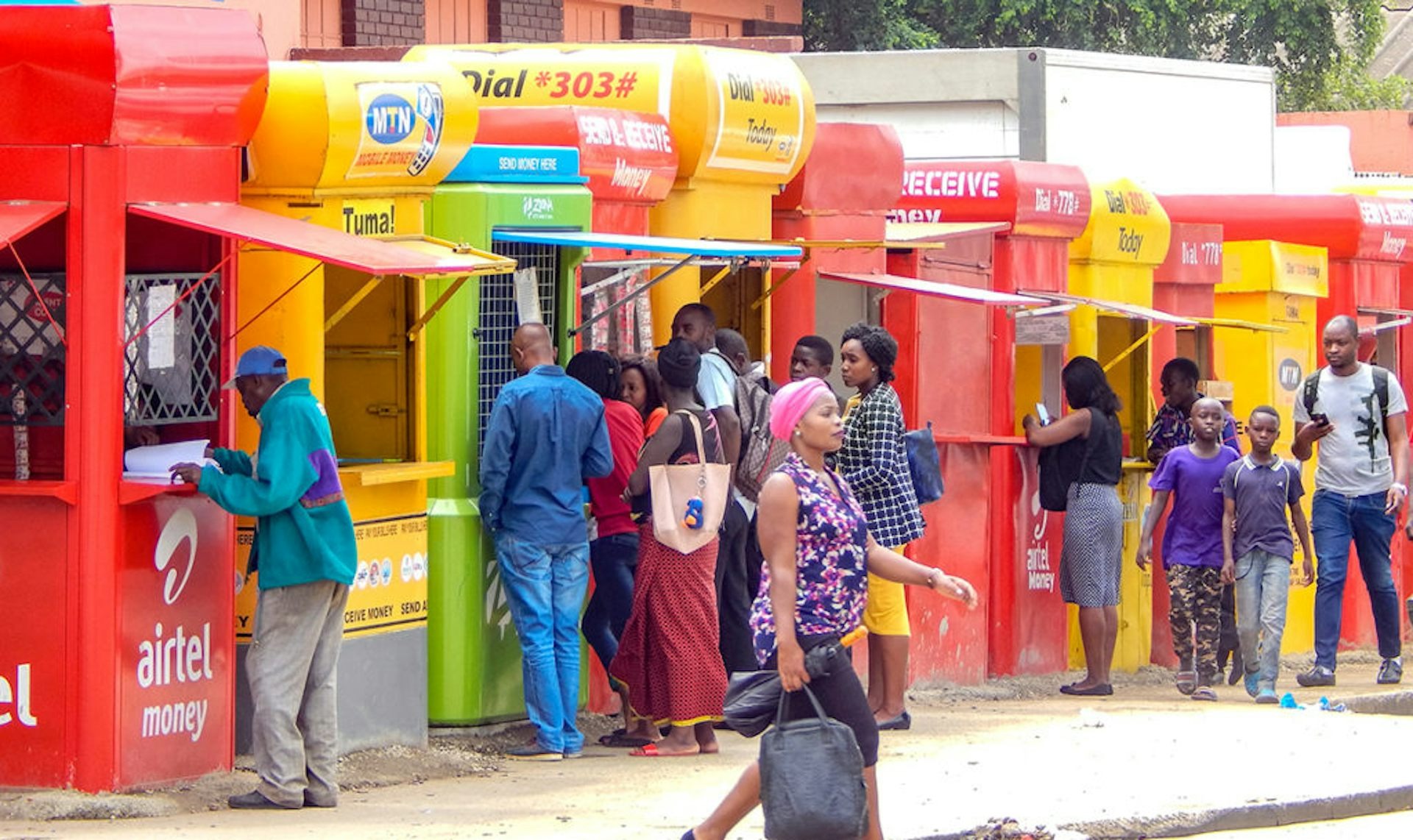
The Ghana Chamber of Telecommunications has called for intensified public education to combat rising mobile money fraud and other electronic financial crimes. This urgent appeal comes as fraudsters increasingly target consumers, leading to significant financial losses across the country.
Fraudsters are employing sophisticated social engineering tactics to deceive individuals and gain unauthorised access to their mobile money wallets and personal information. Sylvia Owusu-Ankomah, Chief Executive Officer of the Chamber, emphasised that while telecommunications operators invest heavily in security systems, continuous public awareness remains crucial as cyber threats evolve rapidly.
This development fits into a broader national concern regarding digital financial security and consumer protection in Ghana's rapidly expanding digital economy. Mobile money transactions have become a cornerstone of financial inclusion, but their growth also presents new vulnerabilities. Previous reports have highlighted the need for robust regulatory frameworks and consumer safeguards to maintain trust in these essential services.
Speaking at the Mankessim Market Storm, a community education programme, Ms. Owusu-Ankomah stressed the importance of a united front. She called for stronger collaboration with security agencies, advocating for improved capacity to investigate and respond effectively to complaints involving digital financial services. This initiative brought together various industry players, including mobile money and fintech companies, to educate consumers on safe digital service use.
The financial impact of this fraud is already evident at the local level. At the Mankessim Divisional Police Command, Divisional Crime Officer ASP Hayford Alavi disclosed that the command recorded three mobile money fraud cases this year, totalling GHS 66,000 in losses. Suspects in two of these cases, involving GHS 12,000 and GHS 9,000, have been arrested. However, those linked to a larger GHS 45,000 case are still being pursued by authorities.
The Chamber's call for action implies that without enhanced public vigilance and improved law enforcement capabilities, the financial losses due to mobile money fraud could escalate further. Consumers must protect their Personal Identification Numbers (PINs) and passwords, as advised by ASP Alavi. Decision-makers in government and regulatory bodies will need to consider policy interventions that support both industry efforts and consumer education to safeguard Ghana's digital financial ecosystem.
The ongoing threat of mobile money fraud could undermine public confidence in digital payment systems, potentially slowing the pace of financial inclusion. Businesses and individuals rely heavily on these platforms for daily transactions. Therefore, effective measures are critical to ensure the continued growth and security of Ghana's digital economy.