Ghanaian motorists will see a modest reduction in fuel prices starting October 16. The Chamber of Oil Marketing Companies (COMAC) projects petrol prices will decrease by almost 2% to GHS 17.67 per litre. Diesel prices are also expected to fall by 3.32% to GHS 19.30 per litre during this pricing window.
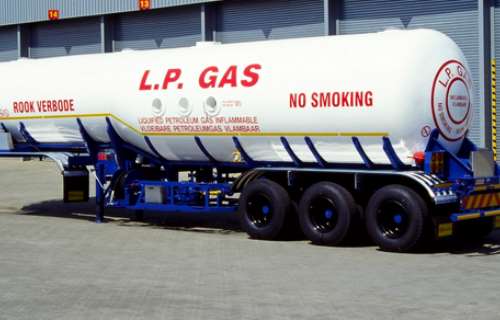
Conversely, liquefied petroleum gas (LPG) consumers face a sharp increase. LPG prices are projected to rise by 18.5% to GHS 20.60 per kilogram. This creates a significant split in the energy market, where international prices, foreign exchange rates, taxes, and domestic policies influence all three products.
This pricing divergence underscores the varied impact of Ghana's ongoing energy challenges. While commercial transport operators and private motorists may benefit from lower petrol and diesel costs, households, restaurants, and other LPG-dependent businesses will absorb a substantial increase. For example, refilling a 14.5-kilogram LPG cylinder could cost nearly GHS 299, adding pressure on family budgets already strained by inflation.
The expected decline in petrol and diesel should be viewed cautiously. A 2% reduction for petrol and 3.32% for diesel offers some relief but does not reverse the broader trend of rising energy costs. Commercial drivers typically adjust fares after sustained increases, not every pricing window, meaning transport fares may not immediately decrease despite lower fuel costs.
Diesel's price reduction is economically significant because it powers freight vehicles, industrial equipment, and parts of Ghana's agricultural and construction sectors. Keeping its retail price below GHS 20 per litre could help limit cost pressures across various supply chains. This stability is crucial for maintaining economic activity.
The October outlook also reveals the influence of government intervention on consumer prices. During the October 1 window, most oil marketing companies maintained prices due to a GHS 2 diesel levy and an arrangement where Tema Oil Refinery and Sentuo Oil supplied refined products at previous prices. COMAC attributed the latest adjustments to international market developments and specific subsidy measures.
Average crude oil prices increased by 2.03% to US$126.73 per barrel for the October 16 window, driven by global supply concerns. This crude price increase would normally push refined product prices higher. The fact that petrol and diesel are still expected to decline suggests that government support, specific market dynamics, or other pricing variables are offsetting some of this upward pressure.
This government cushion raises important fiscal questions. Subsidies can protect consumers and slow the transmission of global shocks into inflation. However, their cost must eventually be borne by the national budget, petroleum sector institutions, or other energy consumers. If subsidies are poorly targeted or maintained indefinitely, they can lead to payment arrears, distort market competition, and obscure the true cost of imported fuel.
The immediate political benefit of stable pump prices must be weighed against the medium-term financial cost to public finances and the overall liquidity of the energy sector. The significant LPG increase also raises equity concerns, as cooking gas consumers appear to receive less protection than diesel users. While the government may prioritise diesel due to its importance for transport and production, cleaner cooking is also a vital public policy objective with environmental, health, and social benefits for Ghanaians.