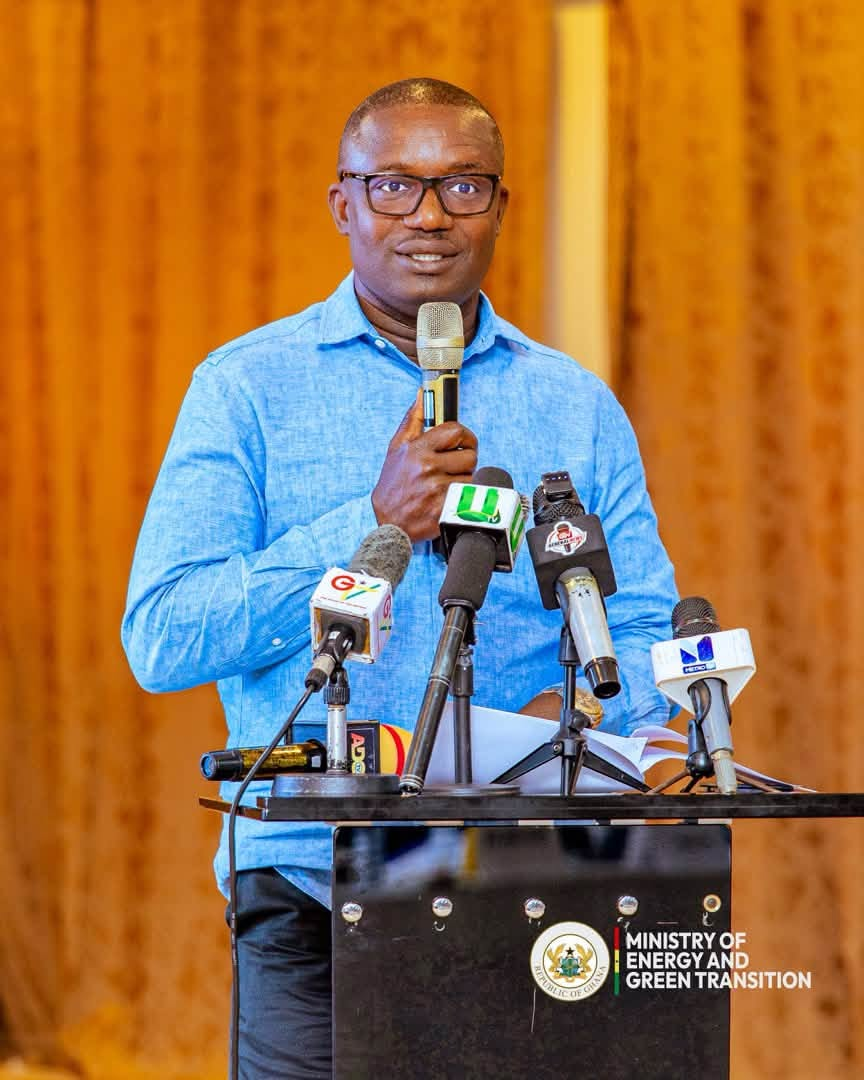
Ghana’s Energy Minister, Dr. John Abdulai Jinapor, has set ambitious targets for the nation’s energy sector by 2027. The core objective is to ensure reliable electricity supply, improve operational efficiency, and revitalise domestic oil refining capabilities. This strategic push aims to solidify Ghana's energy security and support broader economic development.
These priorities emerged after the Minister engaged with leaders of agencies and institutions under the Ministry of Energy and Green Transition. The discussions reviewed 2026 performance, addressed ongoing challenges, and established clear targets for the upcoming year. A significant achievement reported for 2026 includes plans to install 3,000 new transformers, which will directly enhance electricity distribution across the country. National electricity access is also projected to reach 89.13%.
This initiative fits into Ghana’s broader economic narrative of strengthening critical infrastructure and reducing reliance on imported energy. Improving electricity access and reliability directly supports industrial growth and household welfare. The focus on domestic oil refining aligns with government efforts to manage foreign exchange pressures and enhance energy independence. Previous government plans have consistently highlighted infrastructure development as key to sustained economic progress.
Minister Jinapor stressed the importance of accountability and tangible results from all sector agencies. He stated, “Every Agency and its leadership must demonstrate tangible results, with no room for unnecessary delays or persistent non-performance.” This directive underscores a commitment to efficiency and value for money in public service delivery. The government has previously identified distribution infrastructure as a key area for intervention, involving entities like the Electricity Company of Ghana.
The implications of these directives are significant for both consumers and businesses. Households can anticipate more stable power supply and expanded access, particularly in underserved areas. Businesses will benefit from reduced operational disruptions caused by unreliable electricity. Decision-makers will closely monitor the implementation of the 3,000 transformer programme and progress on oil refining. The Ministry of Energy and Green Transition must now convert policy commitments into measurable improvements for all Ghanaians.
The push for operational efficiency and accountability will likely lead to stricter performance reviews for state-owned enterprises in the energy sector. This could result in management changes or increased investment in modernising existing infrastructure. The revitalisation of domestic oil refining could also attract new private sector investment, creating jobs and boosting local content in the energy value chain. Ghana’s economic stability depends heavily on a robust and predictable energy supply, making these 2027 targets crucial.
Furthermore, the increase in national electricity access to 89.13% represents a substantial step towards universal energy coverage. This expansion is vital for rural development and improving living standards across the country. The government's commitment to installing 3,000 transformers specifically addresses bottlenecks in the distribution network. These improvements are essential for Ghana to maintain its position as a growing economy in West Africa. The energy sector's performance will be a key indicator of the government's ability to deliver on its development promises.
The emphasis on a “reliable, affordable, sustainable and resilient energy sector” reflects a long-term vision for Ghana. This vision aims to support consistent economic growth and deliver tangible benefits to its citizens. The 2027 agenda requires a concerted effort from all stakeholders to translate infrastructure investments and policy commitments into real-world outcomes. The success of these initiatives will be critical for Ghana's economic future and its ability to attract foreign direct investment.