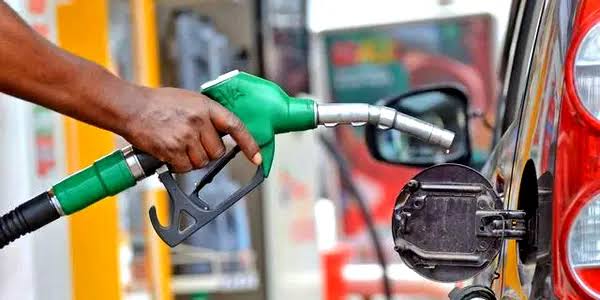
Ghanaian energy distributors have initiated downward adjustments to retail fuel prices for the second pricing window of October. Star Oil, a prominent distributor, reduced its petrol price from GHS 16.64 to GHS 16.45 per litre, effective October 16, 2026. This move offers some relief to vehicle operators and commuters.
However, this price relief is not uniform across all energy products. While transport fuels see lower costs, domestic and commercial consumers of liquefied petroleum gas (LPG) face significant price increases. Industry projections indicate LPG costs will rise by more than 18 percent, with the Chamber of Oil Marketing Companies (OMCs) expecting prices to reach about GHS 20.60 per kilogramme during this cycle. This divergence stems from varied international market trends for refined products.
This complex pricing environment reflects broader economic pressures in Ghana. The cedi depreciated by 1.61 percent against the US dollar, averaging GHS 11.8222 between September 26 and October 11, 2026. Since the start of the year, the local currency has lost more than 11% against the dollar. This depreciation limits how much of the decline in international petrol and diesel prices can be passed on to Ghanaian consumers, impacting import costs for all refined products.
The Chamber of Oil Marketing Companies attributed these price movements to international petroleum market developments, exchange-rate pressures, and recent government interventions. Global crude oil benchmarks advanced 2.03 percent to an average of US$126.73 per barrel for the October 16 pricing window. This rise in crude prices is linked to renewed supply concerns, including uncertainty over a proposed US-backed energy ceasefire involving Ukraine and fresh attacks on Saudi Arabia. Despite higher crude costs, international refined diesel and petrol benchmarks fell by 6.68 percent and 3.93 percent respectively, while international gas prices increased by 7.77 percent.
Industry analysts and trade representatives agree that the weaker cedi is a major constraint. It prevents the full benefit of international petrol and diesel price drops from reaching consumers. Oil Marketing Companies must also comply with the National Petroleum Authority’s (NPA) minimum price requirements. The NPA sets a petrol price floor at GHS 16.09 per litre and an LPG floor at GHS 13.87 per kilogramme. These are minimum selling prices, meaning actual pump prices can vary among OMCs based on competition and operational costs.
As this October pricing window unfolds, Ghanaian households and businesses face a challenging balancing act. Reductions in transport fuel prices provide welcome relief for commercial transport operators and commuters. However, the steep surge in LPG prices threatens to increase operational expenditures for small businesses and raise living costs for domestic households. The extent of future consumer relief will depend significantly on the cedi's stability and the level of price competition among fuel distributors. Policymakers will closely monitor these trends to mitigate inflationary pressures and support economic stability.