Ghana's electricity sector struggles with deep-seated issues despite 89.13 per cent of the population having access to the national grid. The International Monetary Fund (IMF) estimates a US$1.1 billion financing shortfall for the sector in 2026. This significant deficit highlights persistent problems with infrastructure, revenue collection, and costly power generation contracts.
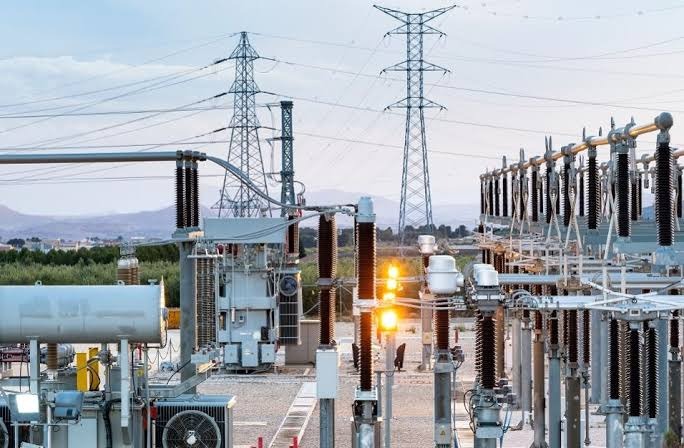
The core problem lies not just in generating electricity, but in reliably delivering it to consumers. Distribution bottlenecks, including overloaded transformers, cables, and substations, cause frequent power interruptions and low voltage. Rapid urbanisation and increased demand have strained infrastructure that has not kept pace with growth. This unreliability severely impacts businesses, especially smaller enterprises unable to afford backup generators, leading to lost revenue and higher operating costs.
This situation places a recurring burden on Ghana's public finances. When distribution companies like the Electricity Company of Ghana (ECG) fail to collect sufficient revenue or lose power through technical and commercial inefficiencies, the government must step in. This diverts funds from other critical development priorities. The energy sector's financial woes are a major concern for the broader Ghanaian economy, affecting everything from manufacturing to healthcare.
Energy Minister Dr. John Abdulai Jinapor has directed agencies under the Ministry of Energy and Green Transition to improve efficiency and accountability. Priorities include installing 3,000 transformers and pursuing efforts to restore domestic oil refining. However, the High Street Journal notes that the true test will be whether these commitments address the daily problems faced by households and businesses. Experts suggest that tighter revenue collection, better metering, and reduced losses are crucial for financial sustainability.
The government's plan to install 3,000 transformers aims to ease pressure on overloaded networks. The effectiveness of this programme depends on whether new equipment reaches areas most in need, leading to fewer outages and more stable voltage. Similarly, the restart of the Tema Oil Refinery (TOR) in June 2026, with its refurbished Crude Distillation Unit commissioned in August, is only a first step. Sustained operations require reliable crude supplies, sufficient working capital, and effective maintenance to avoid repeated shutdowns.
For the energy ministry, improving performance means more than just replacing equipment or increasing generation capacity. It requires comprehensive financial management across the sector. The minister's call for accountability, efficiency, transparency, and value for money will be judged by practical outcomes. Consumers need dependable electricity, and taxpayers require evidence that public support strengthens the sector financially, rather than merely maintaining existing problems. The 2027 energy agenda must deliver reliable electricity to support economic activities and reduce pressure on the public purse, fostering a stronger foundation for private investment.