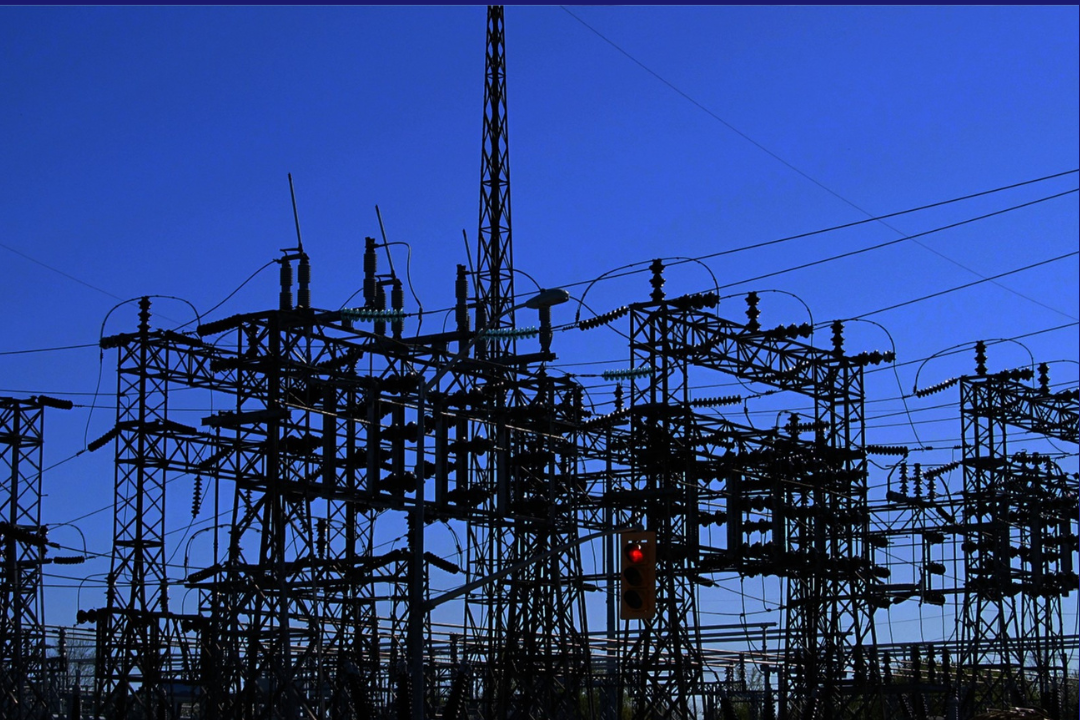
Ghana faces a projected electricity generation deficit of 284 megawatts (MW) in 2025, according to a recent analysis by IMANI Ghana. This shortfall is driven by rapidly increasing demand and an over-reliance on expensive thermal power generation, which exposes the economy to volatile global crude oil prices.
The nation's system peak load surged to 3,952 MW in late 2024, representing a 9.2 per cent increase from the previous year. Grid operators project this peak demand will climb further to 4,338 MW in 2025. While Ghana's total installed generation capacity stands at over 5,200 MW, actual dependable capacity is significantly lower due to ageing infrastructure, maintenance needs, and fuel supply issues.
This situation fits into a broader pattern of energy sector challenges in Ghana, where electricity supply often struggles to keep pace with economic growth and urbanisation. Previous data analyses, including IMANI's earlier report, 'The Prophecy Unfolding,' have consistently highlighted the vulnerability of Ghana's energy infrastructure. The country's reliance on thermal generation, which accounts for approximately 60 per cent of its electricity mix, makes it particularly susceptible to external shocks.
IMANI Ghana's Policy Analyst, John Sitsofe Mensah, stated that the supply-demand gap is closing exactly as predicted. He noted that a highly volatile new variable, global crude oil geopolitics, has accelerated the threat. The estimated cost of procuring thermal fuels for Ghana's grid in 2025 is projected at a massive US$2.02 billion, draining scarce foreign exchange reserves.
The implications for Ghana's economy are significant, with rising electricity costs directly impacting businesses and households. The Public Utilities Regulatory Commission (PURC) uses an Automatic Adjustment Formula to set tariffs, which is triggered by global fuel prices, inflation, and the US Dollar-to-Cedi exchange rate. As global oil prices rise and the Cedi depreciates, the PURC is compelled to pass these increased generation costs onto consumers to prevent utility companies from collapsing. This mechanism funnels global inflation directly into the domestic economy, leading to aggressive cost-push inflation. Businesses, such as cold store operators or garment manufacturers, cannot absorb these successive cost increases and must pass them to consumers. This dual squeeze means direct electricity costs rise, while the purchasing power of incomes shrinks. IMANI Ghana recommends zero-rating import duties and taxes on solar battery storage. This measure would aggressively incentivise homes and small businesses to adopt off-grid solar solutions. Such a policy would intentionally shave off evening peak demand, avert localised blackouts, and reduce the financial burden on the national grid. Currently, solar panels enjoy customs relief under Ghana's Exemptions Act, 2022, but batteries, essential for storing solar energy during peak hours, are still taxed. This creates an ironic situation where a crucial component for energy independence remains expensive. Addressing this policy inconsistency is vital for strengthening Ghana's energy security and stabilising the cost of living.