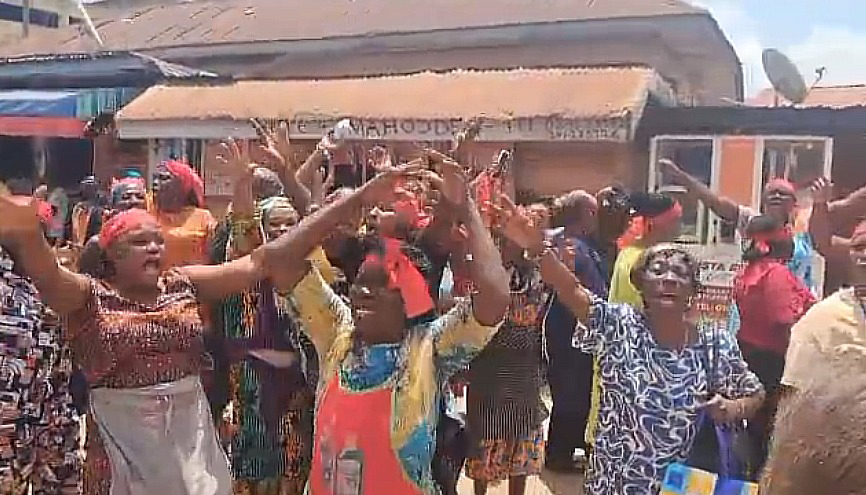
Traders at Abrepo Junction in Kumasi have confronted officials, demanding an explanation for GHS 200 payments they allegedly made for alternative trading spaces. These traders claim they paid the amount with assurances of relocation to new market areas. However, they report that no suitable locations have been provided, prompting calls for accountability.
The confrontation occurred on Thursday, October 8, as the Kumasi Metropolitan Assembly (KMA) began clearing structures. This demolition exercise targets trading activities along the Abrepo Junction corridor. The KMA's action forms part of preparations for Phase One of the Suame Interchange Project, a major infrastructure development.
This incident highlights ongoing challenges in urban development projects across Ghana, particularly concerning informal sector workers. Large-scale infrastructure initiatives, like the Suame Interchange, often displace numerous small businesses and traders. Ensuring fair compensation and viable relocation options remains a critical aspect of managing such projects. Similar issues have arisen in other metropolitan areas where market redevelopments or road expansions have impacted livelihoods.
The Ghana Report stated that traders allege they were asked to pay the GHS 200 fee. They expected to be moved to new spaces. The report further noted that traders now demand their money be accounted for. The KMA had previously directed affected traders to vacate the area. It also indicated that those needing alternative spaces could move to the Racecourse Market.
This situation could escalate tensions between local authorities and the informal trading community. Decision-makers at the Kumasi Metropolitan Assembly will need to address the traders' concerns promptly. Failure to provide clear answers or suitable relocation could disrupt the Suame Interchange Project. It could also lead to further public unrest and impact local economic activity in the affected areas. The alleged GHS 200 payments, if confirmed, raise questions about transparency in the relocation process.
The Suame Interchange Project includes the construction of overpasses at Abrepo and Krofrom. It also involves widening sections of the Eastern and Western Bypass roads. This project aims to improve traffic flow and connectivity within Kumasi, a key economic hub. However, the current dispute risks overshadowing these development goals. The KMA must ensure that the project progresses without unduly harming the livelihoods of its citizens. The outcome of this dispute will be closely watched by other informal sector groups facing similar relocation challenges nationwide.
The alleged GHS 200 fee, while seemingly small, represents a significant sum for many informal traders. These individuals often operate on thin margins. Any unfulfilled promise regarding relocation or compensation can severely impact their ability to earn a living. This incident underscores the need for robust communication and transparent processes during urban renewal projects. It also highlights the importance of protecting vulnerable economic actors. The KMA's response will set a precedent for future interactions with affected communities.