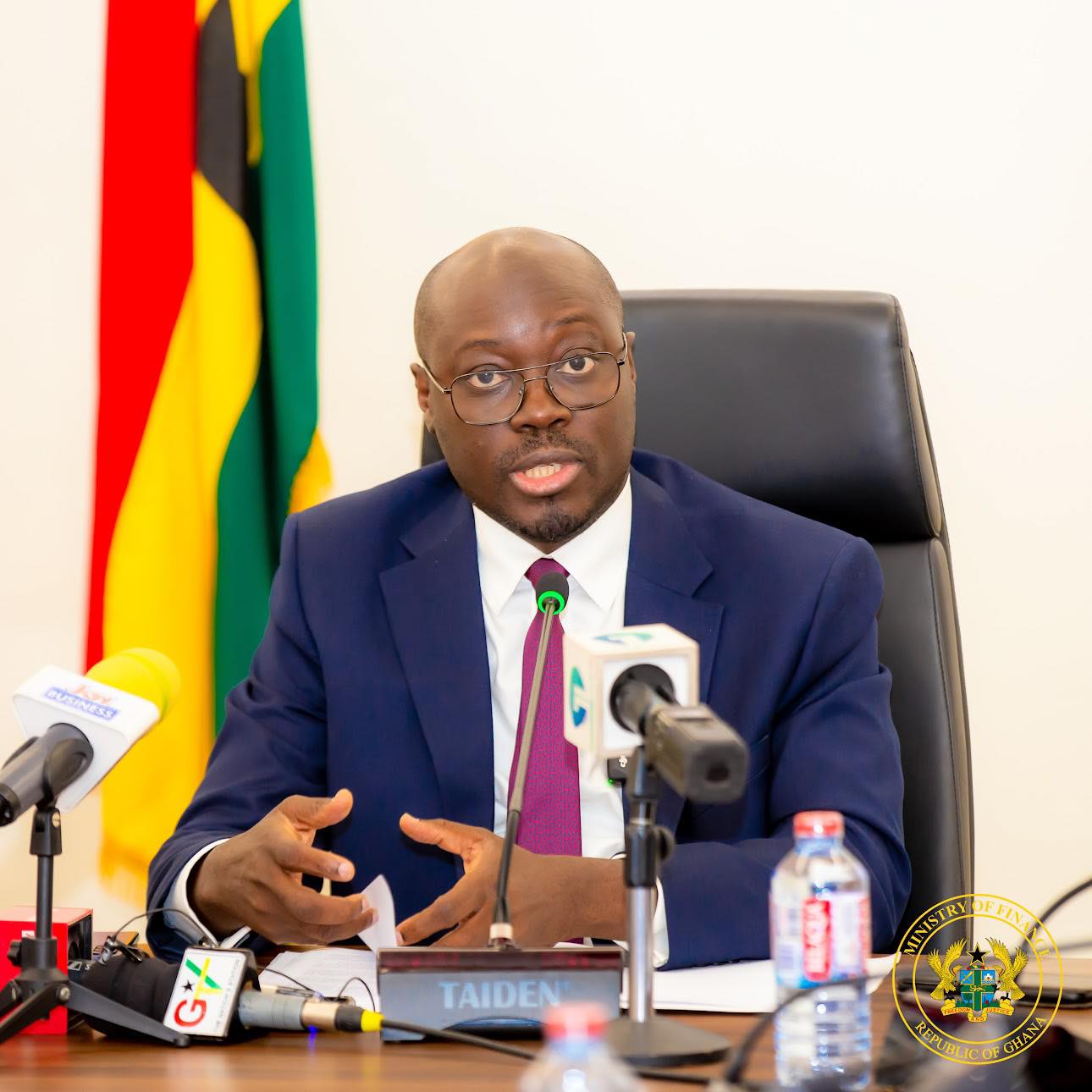
Ghana's Finance Minister, Dr. Cassiel Ato Forson, has announced a €323 million financing package for the Northern Ghana Water and Sanitation Project. This substantial funding will address persistent water shortages in Tamale, Yendi, and Damongo. The package includes €98 million in grants and a €225 million highly concessional financing facility from the European Investment Bank (EIB).
The financing aims to significantly improve access to clean water and sanitation services for thousands of residents. Recurring water shortages have long plagued these communities, impacting public health and economic activities. This project seeks to provide a lasting solution to these critical infrastructure deficits.
This investment aligns with Ghana's broader development agenda to bridge regional disparities and improve living standards across the country. Reliable water supply is crucial for economic productivity, public health, and achieving Sustainable Development Goals. The government has consistently prioritized infrastructure development to support long-term growth and resilience.
Dr. Forson confirmed the funding after a productive meeting with EIB Vice-President Ambroise Fayolle. He stated, “I have just concluded a productive meeting with European Investment Bank Vice-President Ambroise Fayolle on the financing package for the Northern Ghana Water and Sanitation Project.” This statement underscores the collaborative effort behind securing the funds.
The European Commission will contribute €68 million in grant funding to the project. Invest International, a Dutch government initiative, will provide an additional €30 million in grants. The remaining €225 million will come from the EIB as a highly concessional loan, meaning it has very favorable repayment terms.
This financing package represents a major step towards enhancing essential services in Northern Ghana. Improved water and sanitation infrastructure will reduce waterborne diseases and boost local economies. The project's implementation will be closely watched as a benchmark for future development initiatives in the region.
The government's focus on securing external financing for critical infrastructure projects signals its commitment to fiscal responsibility. Such concessional facilities help manage Ghana's debt profile while enabling vital investments. This approach is key to sustaining economic progress and improving citizen welfare.
Addressing water scarcity in Tamale, Yendi, and Damongo will have a direct positive impact on daily life and public health. The project is expected to create jobs during its construction phase and improve the overall quality of life. This investment reflects a strategic effort to build resilient communities.
Ghana's economic stability and commitment to development partnerships attract such significant international support. The successful negotiation of this package highlights the government's ability to secure crucial funding. This project will contribute to Ghana's long-term development objectives.