Ghanaian employers are demanding that the government assess major policies for their impact on jobs before implementation. This proposal, put forth by the Ghana Employers’ Association (GEA), seeks to make employment a direct goal of economic policymaking.
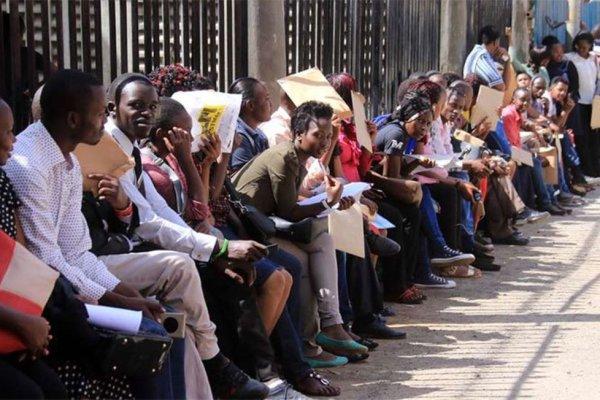
The call comes as Ghana faces significant unemployment challenges. The Ghana Statistical Service (GSS) reported national unemployment averaged 12.8% during the first three quarters of 2025. Unemployment among young people aged 15 to 35 averaged an even higher 21.9% during the same period. These figures highlight the urgent need for policies that actively support job creation and security.
This initiative fits into a broader national conversation about economic growth and its benefits for ordinary Ghanaians. Both employers and organised labour have consistently questioned whether macroeconomic stability translates into tangible improvements in living standards and job opportunities. The GEA's proposal aims to bridge this gap, ensuring that economic progress directly addresses the employment needs of the population.
Nana Dr Emmanuel Adu-Sarkodee Afriyie, President of the Ghana Employers’ Association, is proposing an Employment Impact Test (EIT). He states, "The test would require policymakers to consider how proposed decisions could affect existing jobs, the creation of new ones, the cost of employing workers, business competitiveness, investment and youth employment." This test would apply to major fiscal, tax, regulatory, and industrial policies before their introduction.
The EIT would compel the government to justify policies expected to cause significant job losses. It would also require exploring less disruptive alternatives and outlining support for affected workers and businesses. This does not mean every policy must create jobs, nor does it suggest abandoning necessary regulations. Instead, it ensures employment considerations are central to policy decisions.
The GEA's proposal reflects a concern that Ghana’s economic policies are not consistently creating the conditions businesses need to invest and expand. At its 2026 annual general meeting, themed “Macroeconomic Stability, Policy Predictability and Employment Creation in Ghana,” the GEA stressed that stability alone cannot generate the required private investment and employment. Businesses need confidence and capacity to grow and hire.
For workers, the implications of policy decisions are direct. A policy increasing business costs could hinder recruitment or expansion. Conversely, a predictable policy environment can boost business confidence for long-term investments. The GEA wants employment to be a key calculation before introducing major economic measures.
The Trades Union Congress (TUC) shares similar concerns, repeatedly calling for economic growth to deliver jobs and better living conditions. At the 2026 May Day celebration, TUC Secretary-General Joshua Ansah emphasised that economic policy success should be judged by job creation, income increases, and a secure future. He stated, "The real test of economic policy is whether it improves the lives of workers and citizens. Does it create jobs? Does it raise incomes? Does it secure the future? Does it build sustainable livelihoods?"
Mr. Ansah noted that many employed Ghanaians still struggle to make ends meet. He highlighted that some workers remain underpaid, insecure, and insufficiently protected. Even full-time workers can struggle to afford basic necessities like food, rent, transport, healthcare, and education. This raises questions about the quality and security of jobs being created, not just their number.
The alignment between employers and organised labour on this issue is significant. Both groups agree that macroeconomic stability, while important, is insufficient without direct policies that foster job creation and improve workers' lives. The proposed Employment Impact Test offers a structured approach to integrate these critical considerations into national economic planning. This could lead to more inclusive growth and a stronger labour market for Ghana.