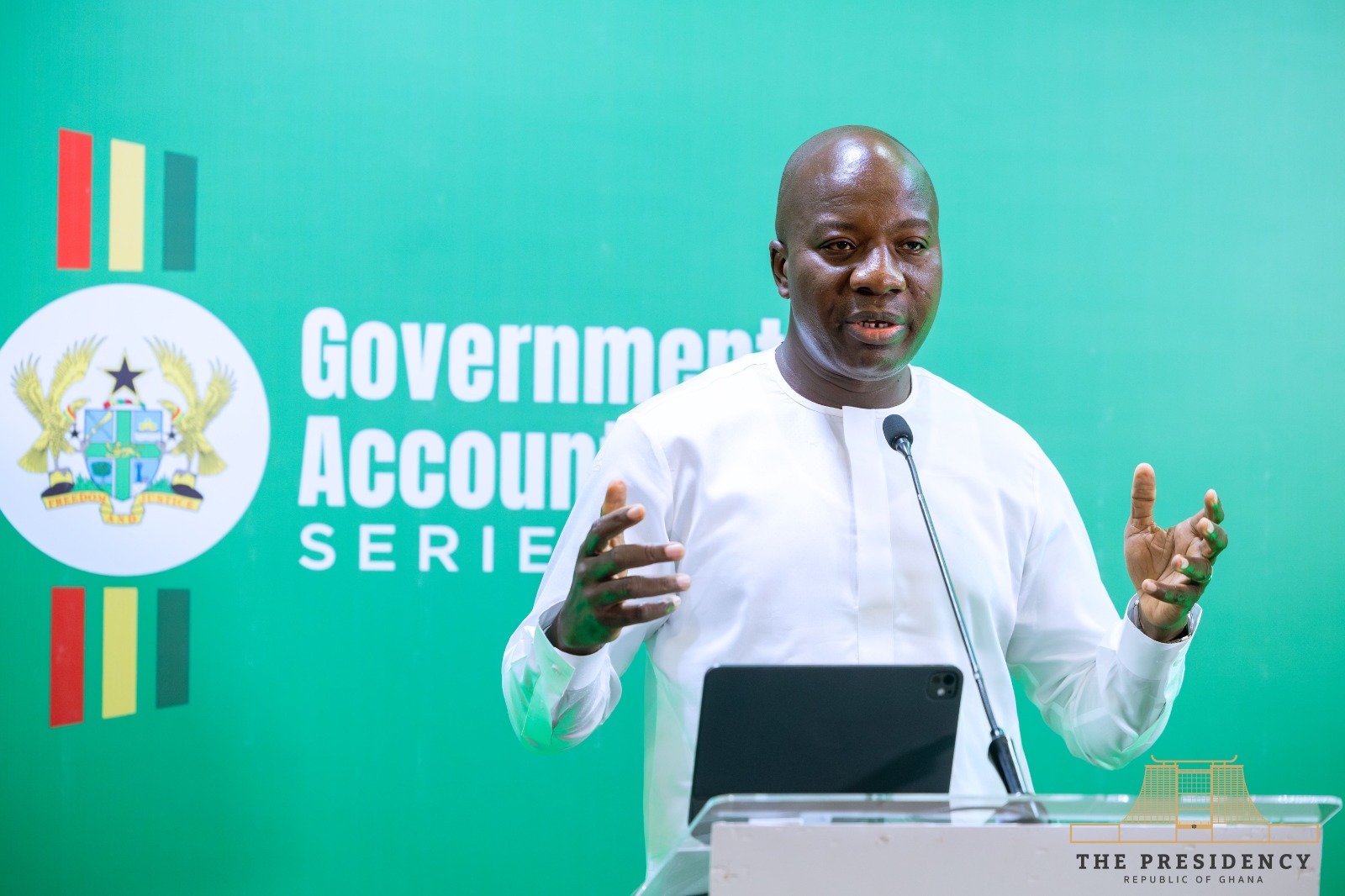
Ghana's government plans to create at least 20,000 permanent jobs through a revamped waste management system. This initiative also focuses on developing the country's circular economy. Mahama Ayariga, Minister for Local Government, Chieftaincy and Religious Affairs, announced this significant target.
The new system will improve sanitation and create opportunities for young people, especially women. It aims to make waste collection more efficient, affordable, and economically productive. The government will redesign the country's waste management infrastructure to achieve these goals.
This move aligns with Ghana's broader efforts to formalize its informal sectors and boost employment. The waste management sector has long presented both environmental challenges and economic potential. Previous sanitation drives, like the 'National Sanitation Day' initiative, highlighted the need for systemic change. This new plan seeks to transform waste from a burden into a valuable resource, contributing to the nation's Gross Domestic Product (GDP).
Speaking at the Government Accountability Series, Mr. Ayariga confirmed the job creation target. He stated, "We hope to create not less than 20,000 permanent jobs in the waste management and circular economy." He also assured existing waste operators, including those using tricycles and trucks, that the new system would include them rather than displace them.
The government's broader sanitation plan involves substantial investment in new infrastructure. This includes waste collection vehicles, tricycles, household waste bins, and transfer stations. Plans are underway to construct engineered landfill sites across regional capitals. Greater Accra will receive three sites, while Greater Kumasi and Sekondi-Takoradi will each get two. Every Metropolitan, Municipal, and District Assembly (MMDA) will also establish waste transfer stations.
A key feature of the proposed system is electronic payment for waste collection by households. This automation aims to make payments more convenient and reduce opportunities for financial leakages. Separated waste will also generate revenue from companies involved in recycling and waste-to-energy initiatives. The Minister indicated that households could pay significantly less for waste collection, potentially less than half of the current GHS 300 per fortnight.
The new system also seeks to increase women's participation in a traditionally male-dominated sector. The government plans to replace open-bucket tricycles with self-loading and self-tipping models. Mr. Ayariga believes these new tricycles can be operated more easily by young girls. This initiative aims to create space for young women to enter the industry, promoting gender equality in employment.
Tricycle operators will also benefit from the new system. Electronic payments and organized routes will allow them to work at night when traffic is lighter. This will enable more trips between collection points and transfer stations, potentially increasing their earnings. This efficiency gain will occur even as household costs decrease.
The government is determined to transform waste management from a sanitation challenge into a significant economic opportunity. This comprehensive approach is expected to support job creation, recycling efforts, and other activities within Ghana's developing circular economy. The successful implementation of these plans could significantly impact Ghana's employment figures and environmental sustainability.