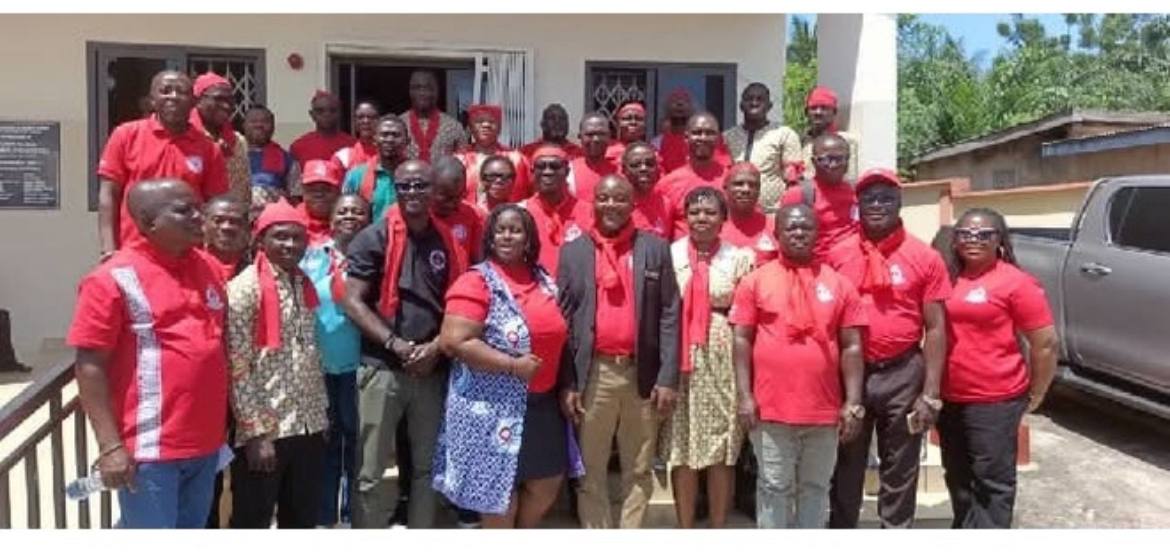
Ghanaian teacher unions have continued their nationwide strike into its second week. The industrial action, which began on September 25, 2026, involves the Ghana National Association of Teachers (GNAT), the National Association of Graduate Teachers (NAGRAT), and the Pre-Tertiary Teachers Association of Ghana (PRETAG). These unions are protesting persistent delays in addressing their conditions of service.
The strike was triggered by three main demands from the unions. They seek the immediate conclusion of negotiations for a new collective agreement. Teachers also demand the automatic placement of promoted staff on appropriate salary scales, along with payment of outstanding arrears. Finally, the unions insist on the implementation of a 20 percent Deprived Area Allowance for teachers in remote communities.
This ongoing industrial action highlights long-standing issues within Ghana's public sector employment. Teacher strikes often disrupt the academic calendar, affecting millions of students across the country. Such disputes frequently involve negotiations with the Fair Wages and Salaries Commission, a body responsible for public sector remuneration. The government's ability to manage these demands impacts public finance and social stability.
Felix Owusu Ansah, GNAT's Regional Secretary, stated that the existing collective agreement had expired. He noted that negotiations for a new agreement remained incomplete despite prior engagements with the government. Mr. Owusu Ansah urged authorities to finalize and implement the agreement without further delay. William Kwame Ahiave, NAGRAT Regional Chairman, affirmed that teachers would remain off duty until their concerns are fully addressed.
The strike's continuation could lead to significant educational setbacks for students. Prolonged school closures impact learning outcomes and national development goals. The government faces pressure to resolve these issues quickly to prevent further disruption. Decision-makers will need to balance fiscal constraints with the legitimate demands of public sector workers. The financial implications of meeting these demands, including potential arrears, will be closely watched by economic analysts.
Teachers who passed promotion examinations in December 2025 and February 2026 have not been placed on their correct salary scales. This delay means they have not received their due financial benefits. Solomon Kwame Yerenkyi, PRETAG Regional Chairman, emphasized that these delays have caused substantial financial losses for affected teachers. The 20 percent allowance for deprived areas is also a critical point, as it is already provided for under the existing collective agreement.
The Volta Regional leadership of GNAT, NAGRAT, and PRETAG has officially endorsed the strike. They have directed all teachers in the Volta Region to fully comply with the industrial action. This regional backing strengthens the unions' position and broadens the strike's impact. The national leadership will provide further communication regarding the strike's progression. The government's response will determine the duration and ultimate resolution of this significant labour dispute.
The economic impact of such widespread strikes can be considerable. Lost teaching hours represent a cost to human capital development. Furthermore, any concessions made by the government will have budgetary implications. These include potential increases in the public sector wage bill. The situation underscores the ongoing challenges in managing public sector compensation and labour relations in Ghana. Resolving these issues is crucial for maintaining educational quality and economic stability.