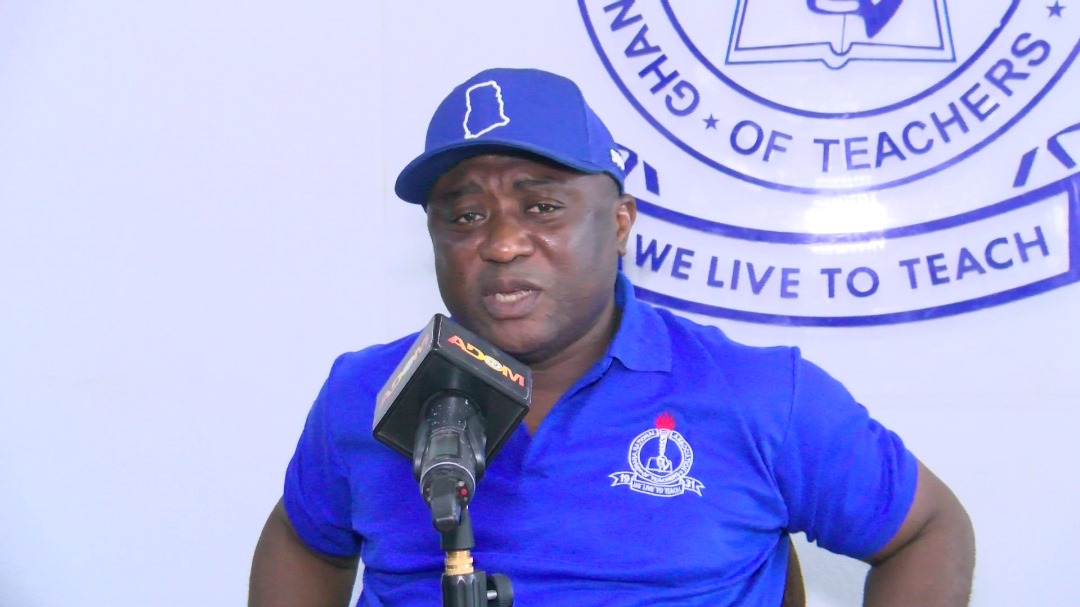
The Ghana National Association of Teachers (GNAT) will continue negotiations with the government. This decision comes despite the recent suspension of an industrial action by three teacher unions. GNAT General Secretary Thomas Musah confirmed that the unions' demands are not fully addressed.
Mr. Musah stressed that the strike's suspension does not signify a complete resolution of outstanding concerns. Negotiations will proceed until all issues are settled. The unions, including the National Association of Graduate Teachers (NAGRAT) and the Pre-Tertiary Teachers’ Association of Ghana (PRETAG), halted their strike after discussions with the Council of State and the Fair Wages and Salaries Commission (FWSC).
This ongoing dialogue highlights persistent challenges in public sector wage negotiations and conditions of service in Ghana. Teacher strikes frequently disrupt the academic calendar, impacting millions of students and their families. The government faces continuous pressure to manage its wage bill while addressing legitimate demands from its workforce. Recent data from the Ghana Statistical Service indicates that public sector wages constitute a significant portion of government expenditure, influencing fiscal policy decisions.
“The issues have not been completed. Negotiations have not ended or concluded. Let me put it, not concluded. And so we’ll continue to negotiate until all the issues are done,” Mr. Musah stated in an interview with Citi News on Friday, October 9. This statement underscores the unions' firm stance on achieving comprehensive agreements rather than temporary concessions. The commitment to further discussions reflects a strategic approach to secure long-term improvements for educators.
The unions began their industrial action on September 25, 2026. Their demands centered on promotions, conditions of service, and various allowances. These issues are critical for teacher welfare and motivation, directly influencing the quality of education. The government's ability to meet these financial commitments is crucial for maintaining industrial harmony and ensuring educational stability across the country.
Under the commitments reached during the suspension talks, promotion-related arrears are expected to be paid to 51,000 teachers by October 16, 2026. Payments to the remaining beneficiaries are scheduled for completion by the end of October. This phased payment plan aims to address immediate financial grievances. The digital support allowance is expected in November, with the continuous professional development allowance slated for December 2026. These specific timelines provide a framework for accountability and progress.
The continuation of negotiations signals that the underlying structural issues affecting teachers' conditions of service require more than just immediate payments. It suggests a need for a more sustainable framework for addressing public sector remuneration. The government's fiscal position, often constrained by revenue targets and debt obligations, plays a significant role in these discussions. The outcome of these talks will set precedents for other public sector unions. It will also influence future budget allocations for the education sector, which is vital for Ghana's human capital development.
The resolution of these issues is paramount for Ghana's education system. Prolonged disputes can lead to learning losses and decreased morale among educators. The Ministry of Education and the Ghana Education Service must work closely with the unions to ensure a stable and productive teaching environment. This situation also reflects broader economic pressures on the government to balance social services with fiscal prudence. The successful conclusion of these negotiations will be a key indicator of the government's commitment to its public sector employees and the future of education.