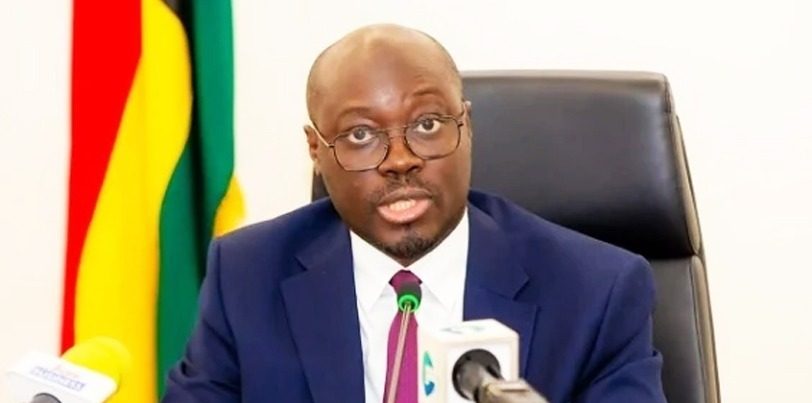
Ghana's Finance Minister, Dr. Cassiel Ato Forson, has launched a new economic strategy to transform growth into jobs and lasting development. This "New Economy" initiative directly addresses structural weaknesses preventing economic growth from creating enough decent employment opportunities and strong domestic production.
Dr. Forson explained that Ghana's challenge extends beyond mere economic growth; it requires a fundamental shift in how the nation produces goods, trades, and generates opportunities. He highlighted that past periods of growth have not sufficiently transformed the economy, leading to a reliance on exporting raw materials and importing finished products. This imbalance has consistently exposed Ghana to financial difficulties, including debt and inflation.
This new approach is crucial for Ghana's broader economic stability and long-term prosperity. The nation has often experienced economic stability followed by renewed pressure, debt, and inflation. For instance, state-owned enterprises recorded a net loss of GHS 8.8 billion in 2024, according to the IMF. The World Bank also noted that the average lending rate in Ghana fell from 27% to 15.6%, indicating some financial shifts.
Speaking at the University for Development Studies (UDS), Nyankpala Campus, Dr. Forson emphasized the need for this change. He stated, "Ghana has had moments of growth. But growth alone has not been enough." He added that the economy has not created enough decent jobs to absorb the energy and talent of young Ghanaians, despite their education and training.
The "New Economy" agenda will focus on strengthening local production and adding value to Ghana's agricultural and mineral resources. This means building an economy that produces more of what Ghanaians consume and moves beyond exporting raw commodities. The ultimate goal is to ensure economic progress translates directly into employment and tangible benefits for citizens, making stability visible in their daily lives.
This strategic shift aims to reduce Ghana's vulnerability to external shocks and create a more resilient economy. By focusing on value addition and domestic production, the government hopes to generate sustainable employment opportunities. This could also improve the trade balance and reduce reliance on imports, potentially strengthening the Ghana cedi.
Policymakers and businesses will closely monitor the implementation of this agenda. Success will depend on effective policy execution and private sector participation in key areas like manufacturing and agro-processing. The initiative seeks to address the persistent gap between economic growth figures and the lived experiences of many Ghanaians, particularly young people seeking employment.
The focus on local production and value addition could also impact various sectors, from agriculture to mining. Increased domestic processing of cocoa, gold, and other resources could lead to new industries and job creation. This long-term vision aims to break the cycle of boom and bust that has characterized Ghana's economic history, fostering a more stable and inclusive future.