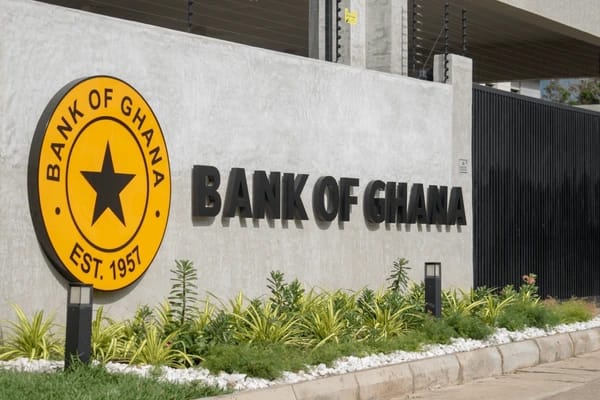
The Bank of Ghana (BoG) has maintained its medium-term inflation target at 8% with a 2% margin, signaling confidence in its monetary policy framework. This decision comes despite a third consecutive increase in year-on-year inflation, which reached 5.2% in September 2026.
This reaffirmation follows the 132nd Monetary Policy Committee (MPC) meeting, where members expressed concerns about elevated external risks from the global economy. However, the committee observed relatively favorable domestic conditions, suggesting underlying pressures might be moderating. The uptick in headline inflation in August was primarily driven by non-food inflation, even as core inflation showed signs of easing.
This decision fits into Ghana's broader economic narrative of managing inflation while pursuing fiscal consolidation. The central bank's consistent target provides a clear anchor for price stability expectations. Previous periods of high inflation have significantly impacted household budgets and business planning across the country. Maintaining this target demonstrates the BoG's commitment to bringing prices under control in the medium term.
The Monetary Policy Committee stated that headline inflation remains on course to return to its target range of 8% ± 2% over the medium term, barring any unforeseen shocks. This outlook is supported by expectations of fiscal consolidation, better food supply, and a stable exchange rate. These factors are crucial for offsetting potential upside risks to the inflation outlook.
Several factors pose risks to the inflation outlook, according to the BoG. These include upward adjustments in utility tariffs and rising ex-pump petroleum prices. The strengthening of the US dollar also presents a challenge, as do adverse spillovers from global supply chain disruptions. These external and domestic pressures require careful monitoring by policymakers.
Headline inflation rose to 5.2% in September 2026, up from 5.0% in August 2026. Consumer Price Inflation increased by 1.1% month-on-month in September, reversing the trend from the previous month. Food inflation also picked up, reaching 4.0% in September from 3.0% in August. Non-food inflation, however, eased slightly to 6.2% in September 2026 from 6.8% in August 2026.
The BoG's continued commitment to its inflation target suggests a steady hand in monetary policy. Businesses and consumers will watch closely for signs that these moderating pressures translate into lower prices. Future policy decisions will depend on how these risks and mitigating factors evolve. The central bank's ability to guide inflation back to its target range is vital for Ghana's economic stability and growth prospects.
The government's ongoing fiscal consolidation efforts are expected to play a significant role in achieving the inflation target. Reduced government spending and improved revenue collection can ease pressure on prices. Furthermore, a stable exchange rate for the Ghana cedi against major international currencies will help to contain imported inflation. These combined efforts are essential for maintaining economic confidence and supporting sustainable development.