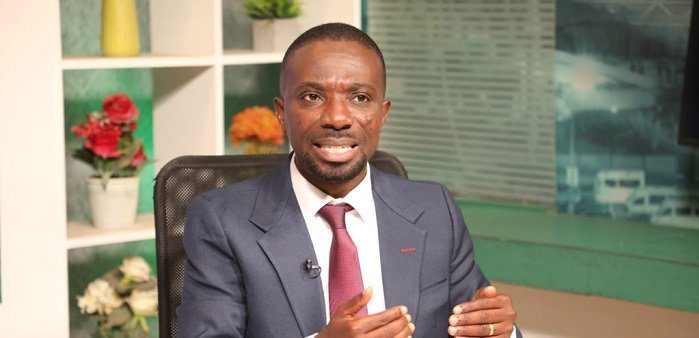
Dennis Miracles Aboagye, the National Communications Director for the New Patriotic Party (NPP), has declared that Ghana's economic conditions will be the primary factor influencing how citizens vote in the 2028 general elections. He stated that voters will increasingly focus on how government policies affect their daily lives, moving beyond traditional political party affiliations.
Mr. Aboagye explained that the economic realities faced by citizens at the time of the election will shape their choices at the ballot box. He specifically mentioned issues such as the cost of living, employment opportunities, transport expenses, and access to essential services as critical considerations for voters. This perspective suggests a growing demand for tangible improvements in personal finances and public services.
This emphasis on economic performance aligns with broader trends in Ghanaian politics, where economic stability and growth often dominate public discourse. Recent inflation spikes, currency depreciation, and challenges in job creation have heightened public sensitivity to economic policies. Past elections have also shown a strong correlation between economic sentiment and electoral outcomes, making this a recurring theme in Ghana's political landscape.
“The teacher is going to cast his vote based on what he thinks will benefit him. The nurse, the architect, the trotro driver, the taxi driver, all these people, they are going to get up in the morning to go and cast their vote, not because of the colours,” Mr. Aboagye stated. He further argued that improvements in national economic indicators would have limited political impact if ordinary citizens do not feel the benefits in their personal finances.
Political parties must therefore convince Ghanaians that their proposed policies and solutions can genuinely improve livelihoods. This means moving beyond abstract economic figures and demonstrating how their plans will translate into lower living costs, more jobs, and better access to services. The upcoming election cycle will likely see parties intensely debate their economic blueprints.
The focus on economic conditions signals a maturing electorate that demands accountability and tangible results from its leaders. This shift could lead to more policy-oriented campaigns and potentially influence the selection of parliamentary candidates and presidential aspirants. Parties that fail to address these core economic concerns risk losing significant voter support in 2028.
Ghana's economy has faced various challenges, including managing public debt and stabilising the cedi. The government's ongoing engagement with the International Monetary Fund (IMF) for a GHS 3 billion Extended Credit Facility aims to restore macroeconomic stability. However, the impact of these measures on the daily lives of Ghanaians remains a key concern for voters, as highlighted by Mr. Aboagye.
The NPP, as the incumbent party, will need to demonstrate significant economic recovery and improved living standards to retain voter confidence. Opposition parties, conversely, will likely capitalise on any perceived economic hardships to garner support. This dynamic sets the stage for a highly competitive election focused on economic deliverables.