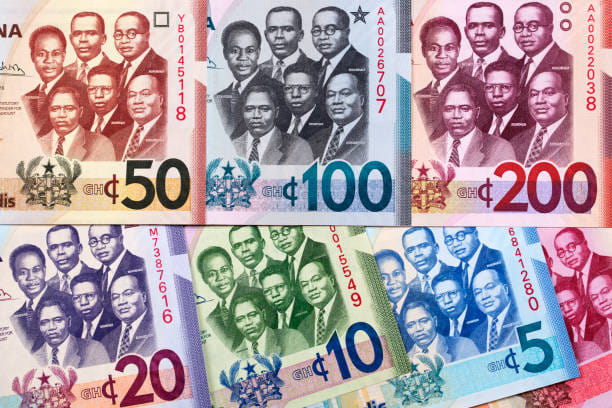
The Ghana cedi recorded the steepest depreciation among African currencies in the second quarter of 2026. It lost nearly 10 percent of its value against the US dollar between March and June, according to a World Bank report.
This significant decline happened amid heightened geopolitical tensions, rising energy costs, and increased investor demand for safer assets. These factors collectively put pressure on currencies across many emerging and developing economies. The World Bank's October 2026 Africa Economic Update detailed this widespread currency weakening.
This event fits into a broader pattern of vulnerability for Ghana's economy to external shocks. The cedi's performance reflects how global events, such as conflicts in the Middle East, directly impact local financial markets. Ghana, as a net energy-importing economy, faces higher import bills and increased demand for foreign exchange when oil prices rise. This strains national reserves and the local currency.
The World Bank attributed the broader depreciation across the continent to heightened geopolitical tensions. These tensions, particularly conflicts in the Middle East, triggered immediate pressure on regional foreign exchange markets. The report noted that seven of 22 monitored African countries, excluding the CFA franc zone, experienced currency depreciations exceeding 5 percent during the quarter.
Looking ahead, the cedi has continued to face pressure, with its cumulative year-to-date decline against the US dollar moving beyond 10 percent in recent weeks. Sustained exchange-rate stability will remain critical for Ghana. It helps contain imported inflation, manage the cost of external debt obligations, and protect the purchasing power of households and businesses. Decision-makers must focus on strengthening the economy's resilience to these ongoing external shocks.
Interbank market data cited in the report showed the cedi trading at about GHS 11.62 to the US dollar recently. This followed a weekly depreciation of nearly 1.4 percent. Despite these challenges, the World Bank maintained Ghana’s 2026 economic growth projection at 4.8 percent. This projection reflects continued domestic economic activity, rapid disinflation, and improved investor sentiment. These positive factors are associated with progress in Ghana’s debt restructuring programme.
The cedi's performance against other major currencies has been mixed. It strengthened against the British pound and the euro in wholesale trading. The pound and euro traded at about GHS 15.40 and GHS 13.24 respectively. At the retail level, the cedi also recorded modest gains against the US dollar and euro, trading at approximately GHS 11.93 and GHS 13.73 respectively. However, it remained weaker against the pound, which traded at about GHS 15.88.
The divergence between the cedi’s performance and the broader growth outlook suggests Ghana’s economic recovery remains exposed. It is vulnerable to developments in international financial and commodity markets. This assessment places renewed importance on maintaining macroeconomic stability. It also highlights the need to strengthen the economy’s resilience against future external shocks. The government must continue efforts to manage these vulnerabilities effectively.