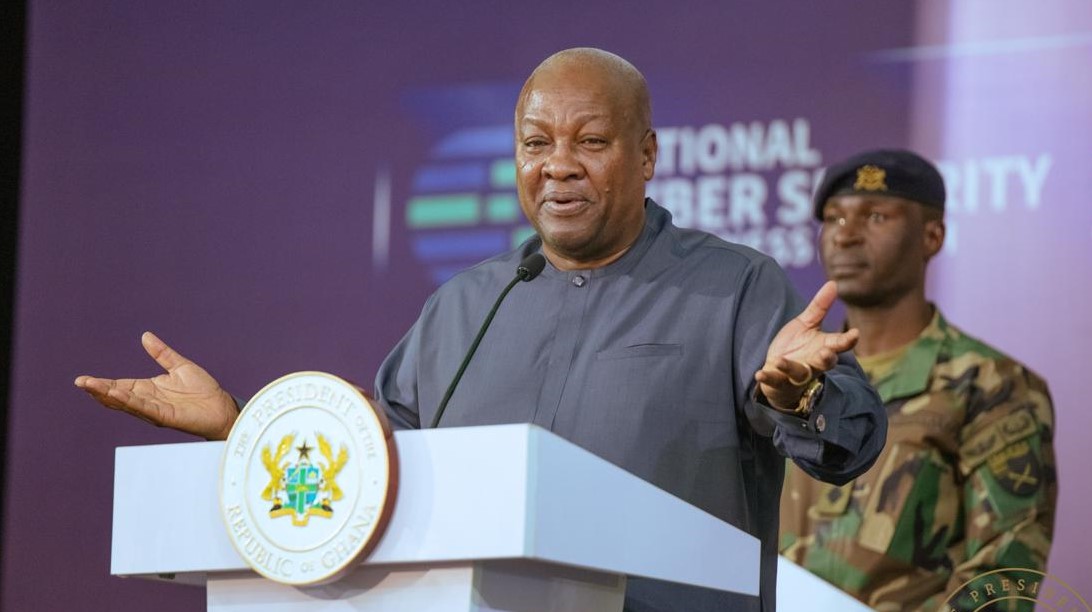
Ghana will take a prominent role at the 13th Financial Times Africa Summit in London from October 21 to 22, 2026. President John Dramani Mahama is scheduled to lead key discussions. The summit aims to explore strategies for mobilising domestic capital, expanding trade, and attracting investment into Africa's productive sectors. This comes at a time of shifting global economic alliances.
The event, themed “Mobilising Growth in a New Global Order,” will gather African leaders, policymakers, investors, and business executives. They will examine how the continent can strengthen its economic standing. Discussions will focus on new financing sources for industrialisation, infrastructure development, and private sector growth. This is crucial as African economies seek to reduce reliance on external borrowing.
This summit aligns with Ghana's broader economic goals of attracting foreign direct investment and boosting local production. The nation consistently seeks to diversify its economy beyond raw material exports. Events like the FT Africa Summit provide a platform to showcase Ghana's investment potential. It also allows for engagement with global financial players and policymakers. Ghana's economic stability and growth prospects, including a projected 5.7% growth by the IMF, make its participation particularly relevant.
Former Nigerian President Olusegun Obasanjo and Aliko Dangote, President and Chief Executive of the Dangote Group, are also expected to attend. Kristy McNeill, the United Kingdom’s Minister for International Development, will participate. Mo Ibrahim, Founder of the Mo Ibrahim Foundation, and Ahmed Shide, Ethiopia’s Minister of Finance, are also listed. This diverse attendance highlights the summit's significance for continental economic dialogue.
The discussions will have significant implications for Ghana's economic future. Strengthening domestic financial markets and expanding access to funding for businesses are key priorities. Small and medium-sized enterprises (SMEs) are vital for job creation and economic diversification in Ghana. The summit's focus on these areas could lead to new partnerships and policy insights. It could also help Ghana attract more targeted investment.
The programme will also explore the next phase of African financial technology and gold reserve management. It will address the economic implications of rapid urbanisation. These topics are directly relevant to Ghana, which aims to leverage technology and manage its natural resources more effectively. Improving access to business finance and increasing value from resources are critical for Ghana's productive economy.
The second day will focus on policy reforms for sustainable and inclusive growth. Participants will also discuss aligning investment risks with Africa’s development priorities. Trade will feature prominently, examining how African economies can strengthen commercial relationships. This is important amid rising tariffs and changing international economic policies. For Ghanaian businesses, deeper regional markets could create opportunities for export expansion.
Discussions will consider the implications of the Red Sea corridor and United States policy towards Africa. Opportunities to expand commercial ties with Gulf countries, China, and India will also be assessed. Stronger regional demand and intra-African trade can help businesses access larger markets. This improves production capacity and reduces vulnerability to external economic shocks, benefiting Ghanaian exporters.
Infrastructure, energy, and industrial development are also on the two-day agenda. This reflects the need for investment that expands productive capacity, not just financial flows. The summit will host the Africa Sustainable Futures Awards. These awards, in partnership with the World Bank Group’s Multilateral Investment Guarantee Agency (MIGA), recognise innovative private sector initiatives. The event provides a crucial platform for African governments, investors, and businesses to discuss practical approaches to financing growth, strengthening financial systems, and building more competitive economies.