Ghana's annual inflation rate climbed to 5.2% in September 2026, increasing from 5.0% recorded in August. This marks the second consecutive month that prices have risen, following a sharp decline to 4.6% in July.
The Ghana Statistical Service (GSS) reported these figures, indicating a pause in the country's disinflation trend. September's inflation rate remains significantly lower than the 9.4% recorded in September 2025, a year prior. However, the recent increases suggest that the rapid slowdown in price growth seen earlier has now stalled.
This uptick in inflation fits into a broader economic narrative where the Bank of Ghana aims to maintain price stability. The central bank has a medium-term inflation target band of 8% ±2 percentage points, meaning the current 5.2% rate is still within this desired range. However, the recent acceleration could signal underlying pressures that require close monitoring by policymakers. Persistent inflation, especially in essential goods, can erode purchasing power for Ghanaian households and impact business planning.
The GSS data shows that locally produced items were the primary driver of this increase. Inflation for these domestic goods rose to 6.4%, significantly higher than the 2.4% recorded for imported items. In fact, locally produced goods accounted for a substantial 85.7% of the total inflation in September. This highlights the importance of domestic supply chains and agricultural output in influencing overall price levels.
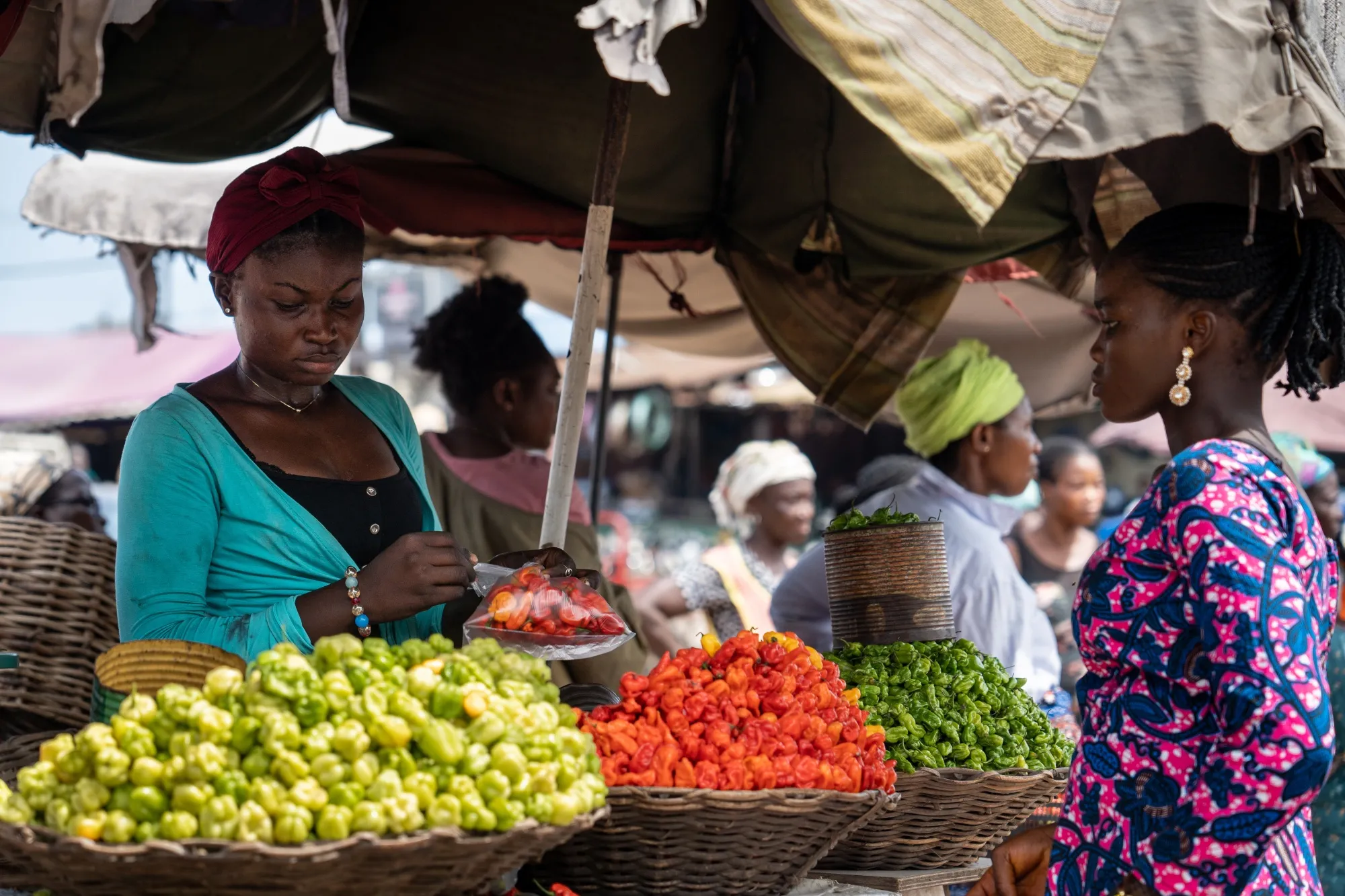
Food prices played a crucial role in the monthly increase. Food inflation rose to 4.0% in September, up from 3.0% in August. Monthly food inflation also saw a significant jump to 1.5%, reversing a -2.6% decline in the previous month. Conversely, non-food inflation decreased, falling to 6.2% from 6.8% in August, providing some counter-balance to the rising food costs.
Services inflation also continued to outpace goods inflation, registering 8.3% compared to 4.2% for goods. The GSS has identified high services inflation as a key challenge to achieving further reductions in the overall inflation rate. This suggests that costs associated with services, such as transport, healthcare, or education, are proving more stubborn to control.
Looking ahead, the Bank of Ghana and the Ministry of Finance will closely watch these trends. A sustained rise in inflation could prompt a review of monetary policy decisions, potentially impacting interest rates. Businesses will monitor input costs, especially for locally sourced materials, which could affect their pricing strategies and profitability. Consumers, particularly those with lower incomes, will feel the pinch of rising food prices most acutely, potentially leading to calls for government intervention or support measures. The government's fiscal policies and efforts to boost local production will also be critical in managing future price movements and ensuring economic stability.