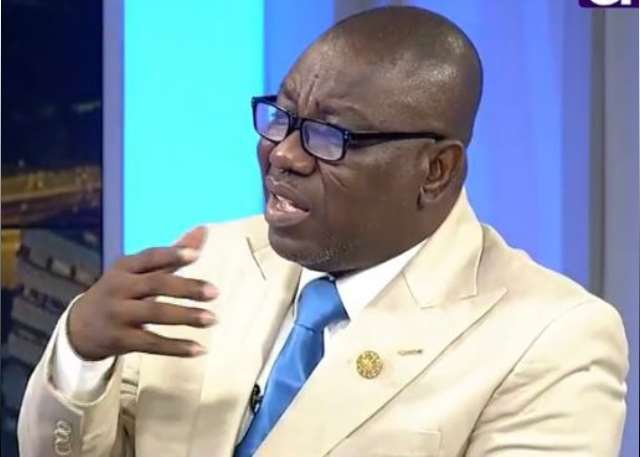
Isaac Adongo, Chairman of Parliament’s Finance Committee, has issued a stark warning that Ghana cannot afford to reverse its recent economic gains. He specifically cautioned against excessive spending, particularly as the country approaches an election period. Adongo’s statement underscores the critical need for fiscal prudence to prevent a return to the severe economic hardship experienced by Ghanaians.
The warning comes as Ghana navigates a delicate path towards full economic recovery. Adongo highlighted the immense sacrifices made by citizens during the recent crisis, which saw inflation soar and the national currency weaken significantly. He stressed that the government bears a crucial responsibility to prevent a recurrence of such difficulties, which deeply impacted households and businesses across the nation.
This caution fits into Ghana's broader economic narrative, which has been dominated by efforts to restore macroeconomic stability. The country recently implemented a Domestic Debt Exchange Programme (DDEP) as part of a GHS 3 billion International Monetary Fund (IMF) Extended Credit Facility. This programme aimed to restructure Ghana’s substantial public debt, which had become unsustainable. The government has also been working to bring down inflation and stabilise the Ghana cedi, which are key indicators of economic health. The Bank of Ghana reported inflation at 23.2% in April 2024, a significant drop from its peak.
“The people of Ghana have sacrificed enormously to be where we are,” Adongo stated during an interview with Joy News at the IMF-World Bank meetings in Bangkok, Thailand. He further explained that the country suffered “multiple crises of credibility and confidence,” which severely damaged the economy. Adongo specifically cited inflation reaching between 50% and 54% and the Ghana cedi depreciating by about 54% as examples of the costs borne by citizens during the crisis.
The implications of Adongo’s warning are significant for Ghana’s economic outlook and political landscape. Maintaining fiscal discipline, especially in an election year, is crucial for sustaining investor confidence and ensuring continued access to international financial support. Any deviation from prudent spending could jeopardise the progress made, potentially leading to renewed inflationary pressures and cedi depreciation. Decision-makers in government and financial markets will closely monitor fiscal policy decisions and parliamentary oversight in the coming months. Parliament’s commitment to scrutinising government actions will be vital in safeguarding the economic recovery.
Adongo emphasised that the gains achieved so far should not be taken for granted. He called for the establishment of robust systems that would protect economic progress, irrespective of which political party holds power. “The temptation to want to loosen the belt is what led us where we are,” he remarked, reflecting on past fiscal challenges. He affirmed that Parliament would continue its role in scrutinising government decisions and supporting measures designed to enforce fiscal discipline. This ongoing oversight is essential for building long-term economic resilience and preventing future crises. The government's adherence to its fiscal targets, as agreed with the IMF, remains a critical benchmark for Ghana's economic stability.