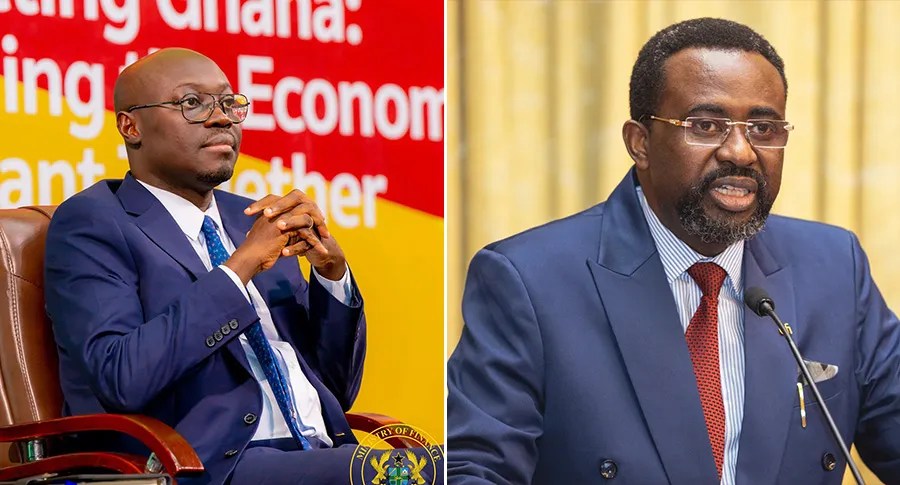
Ghana's delegation is actively pursuing foreign direct investment and trade financing at the 2026 International Monetary Fund (IMF) and World Bank Group Annual Meetings in Bangkok, Thailand. The nation aims to convert its recent international goodwill into tangible economic commitments. This strategic push follows high-profile international engagements, including President John Dramani Mahama’s policy addresses at the 81st United Nations General Assembly (UNGA) in New York.
The central focus for market watchers is how Ghana will capitalize on its elevated global status. The country seeks to secure private capital and concessional trade financing. This effort is crucial for sustaining economic recovery and driving job creation. The meetings provide a vital platform for Ghana to engage with global investors and financial institutions.
This initiative fits into Ghana's broader economic narrative of restored macroeconomic stability and structural financial reform. The Ghana Reference Rate, a key commercial lending benchmark, has eased to 10.04 percent. This indicates a more favorable lending environment. Falling inflation and a more predictable foreign exchange market further strengthen Ghana's investment appeal. These domestic indicators provide a compelling backdrop for the delegation's discussions.
Ghana's pitch in Bangkok rests on a narrative of restored macroeconomic stability. The delegation enters bilateral negotiations backed by compelling domestic indicators. These include commercial lending benchmarks that have steadily compressed. The Ghana Reference Rate easing to 10.04 percent is a significant positive signal. Falling inflation and a more predictable foreign exchange environment also support this narrative. These factors aim to reassure potential investors about Ghana's economic health.
To leverage its positive international standing, Ghana’s strategic agenda in Bangkok centres on several critical investment priorities. The delegation expects to pitch co-investment packages for power grid modernization. Transport logistics and industrial park developments are also key areas. These projects align directly with the 24-Hour Economy framework. This framework aims to boost productivity and economic activity around the clock. The World Bank’s flagship theme on mobilizing private capital for job creation resonates with Ghana's proposals.
Discussions with bilateral lenders and development finance institutions will also be crucial. These talks may focus on securing structured trade credit lines. Such credit lines support local manufacturing and agribusiness processing. Importantly, these lines aim to avoid expanding the sovereign debt stock. This approach demonstrates a commitment to sustainable financing. It also seeks to protect Ghana's fiscal position.
Furthermore, Ghana aims to harness global partnerships to expand technical funding. This funding targets SME credit reporting platforms. Digital trade settlement networks and artificial intelligence integration across commercial supply chains are also priorities. These technological advancements are vital for modernizing Ghana's economy. They can improve efficiency and competitiveness for businesses.
Ghana's ability to market itself as an attractive regional hub also depends on addressing wider African economic headwinds. High-level ministerial sessions will tackle these challenges. Across the continent, heavy debt-service burdens absorbed nearly one-fifth of public revenues in 2025. This crowds out critical social and infrastructure spending. African delegations in Bangkok are expected to push for clearer debt-restructuring standards. Improved private creditor coordination and expanded domestic revenue mobilization are also key demands. These efforts aim to tap into an estimated $4 trillion in regional savings. Ghana's participation in these discussions highlights its regional leadership ambitions.
The weeklong summit features key global platforms. These include World Bank flagship events on AI and private capital mobilization. These events lead up to the Development Committee Ministerial Meeting and the Annual Meetings Plenary Session. All eyes remain on whether Ghana’s delegation can translate its recent diplomatic gains and macroeconomic recovery into concrete investment commitments. This would cement the country’s trajectory toward sustainable, private-sector-led growth. Success in Bangkok could unlock significant capital for Ghana's development agenda.