Ghana's economy is projected to expand by 5.7% in 2026, according to the International Monetary Fund (IMF). This forecast positions Ghana among the top 10 fastest-growing economies in Sub-Saharan Africa, surpassing the regional average.
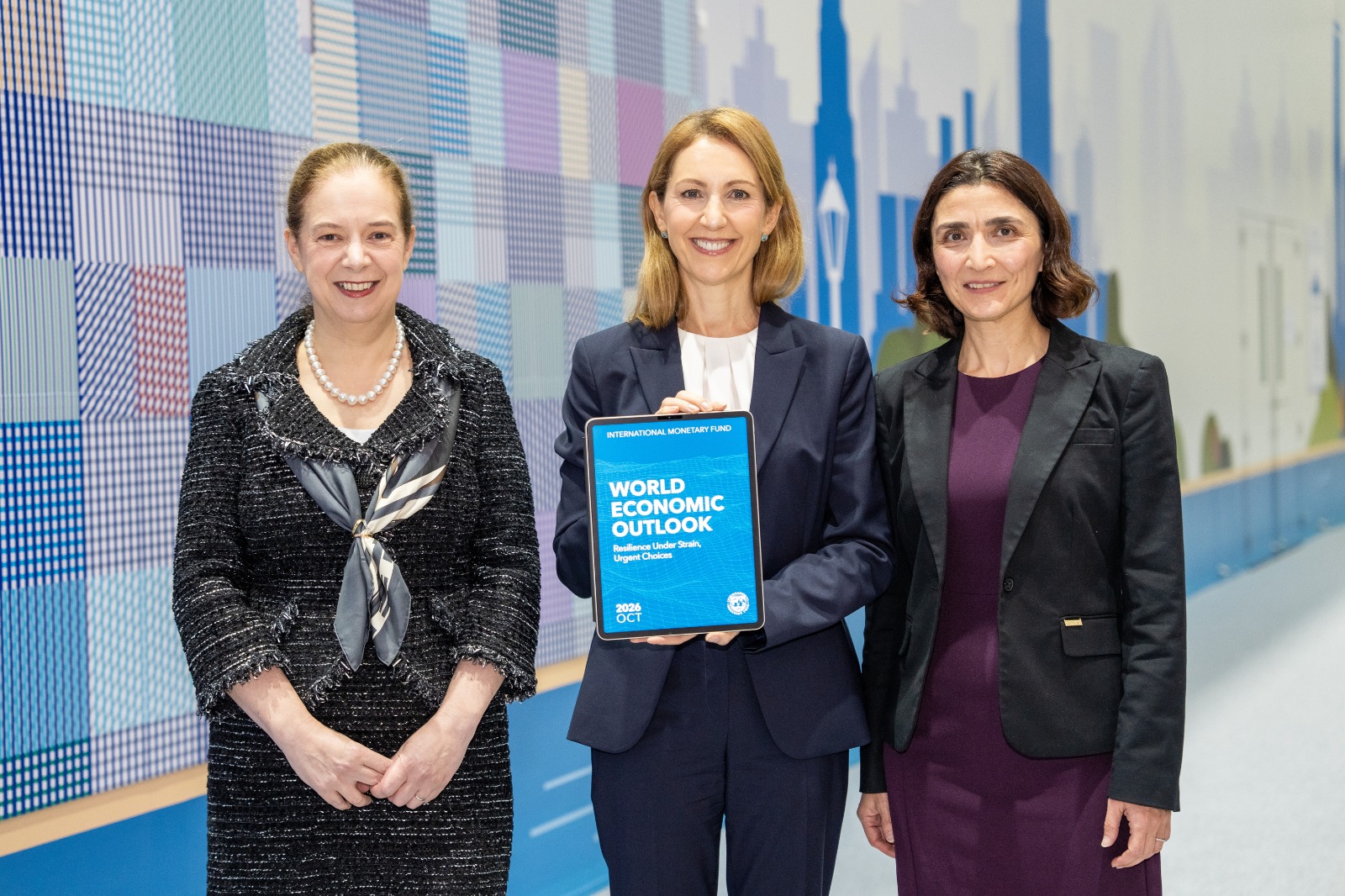
This growth projection, contained in the IMF's October 2026 World Economic Outlook, signals a critical shift. Policymakers must now convert economic stability into lasting improvements in business activity and household welfare. The report was released on Tuesday during the 81st IMF/World Bank Group Annual Meetings in Bangkok.
This 5.7% growth rate, while slightly below the 6% recorded in 2025, significantly exceeds the projected Sub-Saharan African average of 4.5%. It also surpasses the 3.3% average for middle-income countries. Ghana's economic recovery from the 2022 debt crisis has been supported by improved domestic financing conditions and sustained fiscal discipline. The government's New Economy initiative aims to further drive value addition and job creation.
Dr. Cassiel Ato Baah Forson, the Finance Minister, stated that economic stabilisation is not the ultimate objective. He emphasized it serves as the foundation for sustained growth, job creation, and long-term prosperity. He attributed continued economic improvement to lower government borrowing costs and strengthened recovery efforts.
The IMF's forecast places renewed emphasis on the next phase of Ghana's economic journey. This involves ensuring macroeconomic improvements translate into stronger business investment, higher productivity, and broader employment opportunities. For businesses, sustained growth could support consumer demand and expansion plans. Continued price stability could also improve planning and investment decisions.
Beyond headline growth, the IMF projects Ghana's inflation rate at 4.8% in 2026. The country's external balance is also expected to record a surplus equivalent to 6% of Gross Domestic Product (GDP). This combination of economic expansion, lower inflation, and an external surplus creates a more supportive environment for businesses. It offers improved price stability, reduced uncertainty, and stronger external buffers.
However, the durability of these gains depends on several factors. Fiscal discipline, monetary conditions, and the economy's ability to generate sustainable growth sources are crucial. Lower government borrowing costs could ease pressure on domestic financing. This could also improve conditions for businesses to access credit. The extent to which private enterprises benefit will depend on lending rates, credit availability, and financial institutions' willingness to finance productive activities.
Dr. Johnson Pandit Asiama, Governor of the Bank of Ghana, noted strong economic growth in September at the 132nd Monetary Policy Committee briefing. He highlighted the services and industry sectors as key drivers. The Bank will continue to monitor domestic and global developments to maintain price stability and support sustainable economic growth. The IMF also warned that many African economies remain excluded from the global technology boom. Declining official development assistance and tighter external financing conditions continue to constrain development prospects.
For households, the broader test will be whether economic expansion creates more jobs and strengthens purchasing power. The 2026 projection offers a positive growth outlook relative to regional peers. Ghana's longer-term economic prospects will depend on whether the recovery produces a more diversified, productive, and employment-intensive economy. The government's New Economy initiative aims to address these challenges by focusing on value addition and sustained transformation.