Non-food items were the primary driver of Ghana's inflation in September 2026, contributing 63.3% to the total price increases. Data from the Ghana Statistical Service (GSS) confirmed that food items accounted for the remaining 36.7%.
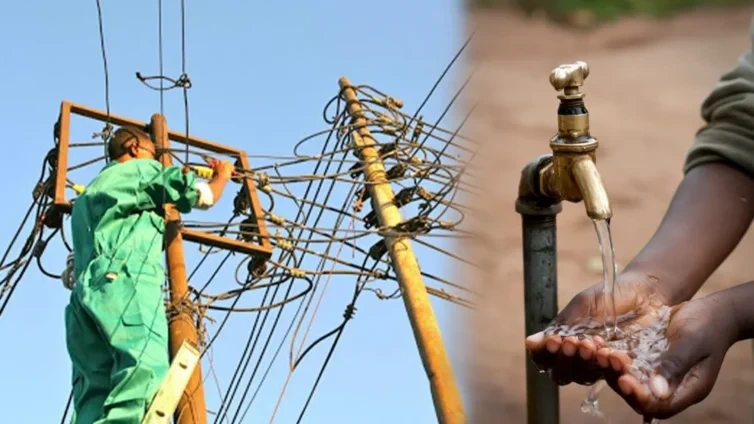
The largest single contributor within non-food items was housing, water, electricity, gas, and other fuels, which alone made up 25.6% of overall inflation. This category recorded an inflation rate of 10.3%, highlighting the significant impact of household running costs on consumer budgets. Food inflation remained comparatively lower at 4.0%.
This pattern suggests a shift in the sources of price pressure within the Ghanaian economy. Historically, food prices have often been a major component of inflation. The current data indicates that essential services and utilities are now exerting more upward pressure on the cost of living. This trend affects household disposable income and overall economic stability, particularly for urban dwellers.
Other non-food categories also showed notable price increases. Insurance and financial services recorded an inflation rate of 9.4%. Restaurants and hotels saw prices rise by 9.2%. Recreation and culture experienced 6.6% inflation, while transport costs increased by 5.7%. Education services also contributed to price pressure, although inflation in this sector eased to 5.7% in September from 9.3% in August.
The GSS data reveals a clear distinction between goods and services inflation. Services inflation stood at 8.3% in September, significantly higher than the 4.2% recorded for goods. This disparity means that service-related costs are rising much faster than the prices of physical products. This difference can lead to varied experiences of inflation among households, depending on their spending patterns.
For instance, a household spending more on housing, utilities, transport, and various services will likely feel a much higher impact than the national average inflation rate of 5.2%. This divergence underscores why a single national inflation figure may not fully capture the diverse economic realities faced by different segments of the population. Understanding these underlying drivers is crucial for effective economic planning.
The Bank of Ghana and economic policymakers will closely monitor these trends. The continued dominance of non-food items in inflation suggests that monetary policy responses might need to consider the specific pressures from services and utilities. Measures aimed at stabilising these sectors could become more critical in managing overall price levels.
Looking ahead, the trajectory of inflation will largely depend on whether these broader non-food costs begin to moderate. Persistent high inflation in essential services could further erode purchasing power and impact economic growth. Businesses, particularly those reliant on energy and transport, will also face ongoing cost pressures. The government's fiscal policies and regulatory interventions in utility sectors will play a key role in influencing future inflation outcomes.