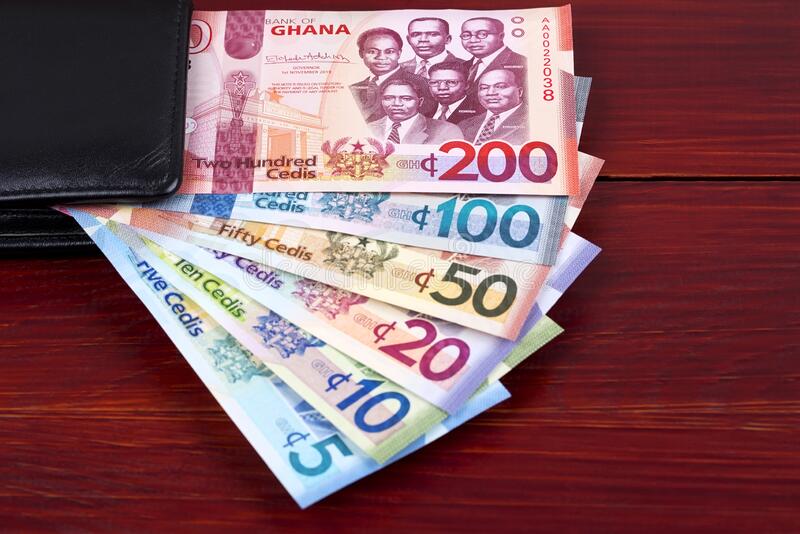
The Ghana cedi recorded the steepest decline among all African currencies during the second quarter of 2026. Data from the World Bank’s October Africa Economic Update shows the currency depreciated by nearly 10 percent against the United States dollar between March and June. This significant drop highlights the cedi's vulnerability to global economic shifts.
This widespread regional depreciation stemmed directly from escalating conflicts in the Middle East. Heightened geopolitical tensions caused immediate downward trends for many regional currencies. The World Bank noted that most countries with available daily exchange rate data experienced currency depreciations during this period. For instance, the Lesotho loti, Namibia dollar, South Africa rand, and Swaziland lilangeni each dropped by more than 6 percent.
This development fits into Ghana's broader economic narrative, which has seen the cedi face persistent pressure from external shocks. The nation, like many developing economies, is susceptible to global investor sentiment and commodity price fluctuations. Prior periods have also seen the cedi struggle against major international currencies, impacting import costs and debt servicing. The current depreciation adds to the challenges of maintaining macroeconomic stability.
The World Bank stated, "Most countries with available daily exchange rate data recorded currency depreciations during the second quarter of 2026 relative to end-February, before the conflict intensified." They further noted, "In seven of the 22 countries monitored, excluding the CFA franc zone, the maximum depreciation exceeded 5.0%, including in the Democratic Republic of Congo, Ghana, the Seychelles, and South Africa." This statement underscores the widespread nature of the currency pressures.
Looking ahead, decision-makers will closely monitor the cedi's performance and global geopolitical developments. The Bank of Ghana will likely continue implementing cautious monetary policy to manage foreign exchange pressures. Businesses and consumers should anticipate potential impacts on import prices and overall inflation. The stability of the cedi remains crucial for Ghana's economic outlook.
Several structural factors worsened the impact of international turmoil on developing economies. Surging oil and energy costs expanded import bills for net energy-importing nations. This dynamic accelerated demand for United States dollars, depleting foreign reserves. It also accelerated local currency devaluation, making imports more expensive for Ghanaians.
Geopolitical instability drove global investors toward safer assets, away from riskier emerging markets. Capital left frontier and emerging markets as risk aversion took hold worldwide. This outflow of funds reduced the supply of foreign currency in Ghana, further weakening the cedi. Supply chain bottlenecks in the Middle East also raised prices for essential farming supplies, notably fertilizers, contributing to imported inflation.
Weaker exchange rates compounded fiscal strains for nations managing substantial foreign debt. Higher conversion rates raised the domestic cost required to service United States dollar-denominated obligations. This means the government needs more cedis to pay back its dollar loans, putting pressure on public finances.
Recent foreign exchange trading data demonstrates ongoing pressure on the cedi. The currency extended its total year-to-date decline against the dollar past 10 percent during recent weeks. Interbank figures show the cedi traded at GHS 11.62 per dollar following a weekly decline of nearly 1.4 percent. This continuous slide indicates persistent market concerns.
Performance against other major foreign currencies presented a mixed picture during the same period. The local currency gained ground against the British pound and the euro in wholesale trading channels, reaching GHS 15.40 and GHS 13.24 respectively. Retail foreign exchange markets mirrored these mixed trends, showing slight strengthening against the dollar and euro at GHS 11.93 and GHS 13.73. However, losses persisted against the pound in retail transactions, settling at GHS 15.88.
In tandem with its currency findings, the World Bank’s October 2026 update maintains Ghana’s economic growth projection at 4.8 percent for the year. This steady projection underscores resilient domestic activity, rapid disinflation, and positive investor sentiment. This sentiment is reinforced by recent progress in the nation’s debt restructuring framework. Analysts across West Africa note that while foreign exchange pressures demand cautious monetary policy management, baseline growth indicators continue to demonstrate underlying structural endurance. This suggests the economy has some resilience despite currency woes.