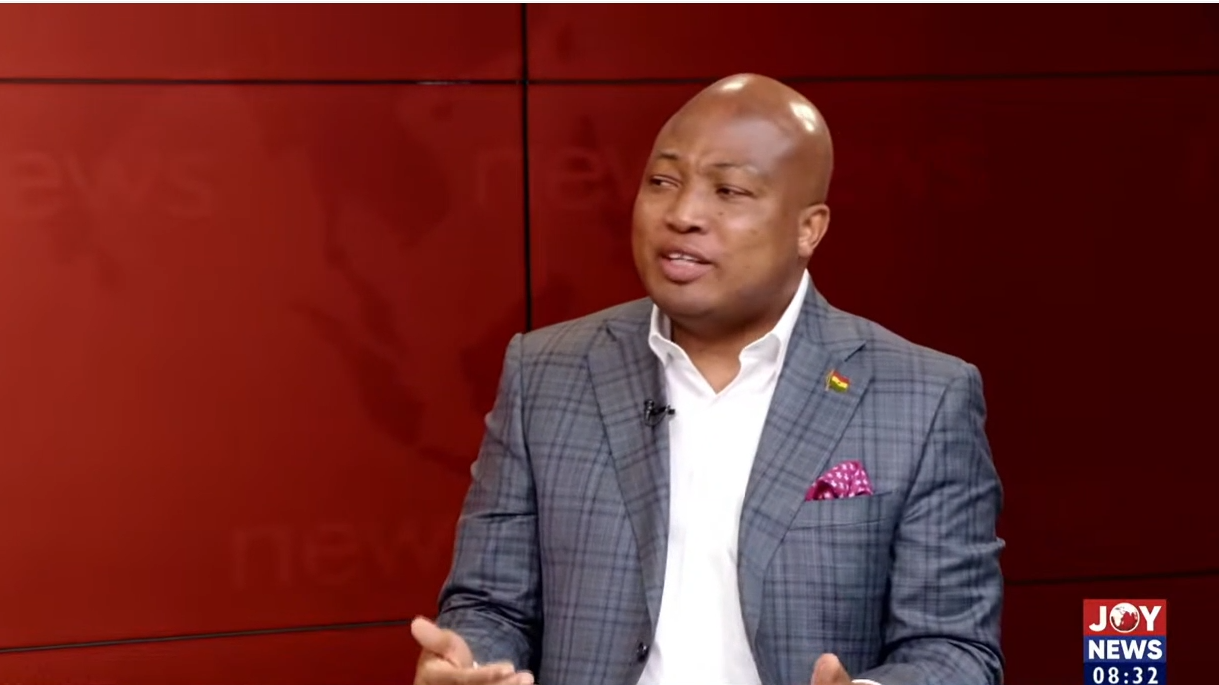
Foreign Affairs Minister Samuel Okudzeto Ablakwa has fully detailed the GHS 49.72 million spent on evacuating Ghanaians from South Africa. He firmly rejected claims by the Minority that more than GHS 16 million of these funds remained unaccounted for. The minister presented his comprehensive defence during a live broadcast, providing specific figures and documentation.
The total expenditure of GHS 49,721,786 covered the repatriation of 1,964 Ghanaians between May 27 and September 4, 2026. Each evacuee, including children, received GHS 5,000 as a reintegration allowance and GHS 500 for transport. This support aimed to help individuals re-establish themselves upon returning to Ghana.
This detailed accounting comes amid heightened public scrutiny over government expenditure and calls for greater transparency. The Minority's allegations had raised questions about the management of public funds, especially for humanitarian efforts. Such debates often reflect broader concerns about fiscal discipline and accountability within Ghana's political landscape, particularly as the nation navigates economic challenges.
Minister Ablakwa stated that the total expenditure comprised GHS 33,721,786 from the government and a GHS 16 million donation from Engineers and Planners. He specifically denied concealing the company's contribution, noting the ministry voluntarily accounted for the exercise on September 7, three days after its completion. The minister also highlighted the government's decision to decline a separate GHS 20 million offer from MTN, reinforcing the integrity of the operation.
The implications of this detailed disclosure are significant for public trust and government accountability. It sets a precedent for how ministries address financial queries from opposition parties and the public. Future government operations, especially those involving substantial funds, will likely face similar demands for transparent and detailed financial reporting. This response could influence public perception of government efficiency and financial management.
The expenditure breakdown shows GHS 38,835,512 allocated to chartered flights, tickets, ground transport, feeding, hotel accommodation, and medical costs in South Africa. Reintegration and transport allowances accounted for GHS 10,802,000. The repatriation of two bodies and associated autopsy costs amounted to GHS 84,274. These figures provide a clear picture of how the funds were distributed across various operational needs.
A key point of contention involved the number of people returned on commercial flights. Mr. Ablakwa reported that 956 people returned on three chartered flights. An additional 1,008 individuals returned on commercial services, including Ethiopian Airlines, Air Tanzania, ASKY, and EgyptAir. The minister presented airline receipts and boarding passes to verify these numbers, directly challenging the Minority's lower figures.
The minister also addressed the Minority's assessment of allowance distribution. He confirmed that all 1,964 returnees received both the reintegration and transport allowances. Acknowledgment sheets accompanied the ministry's report, including specific records for minors. Mr. Ablakwa maintained that children were entitled to the same support as adults, aligning with the government's announced arrangements for the evacuation. He further suggested contacting randomly selected beneficiaries to verify payment receipts.
Mr. Ablakwa's rebuttal identified inconsistencies in the Minority's press statement regarding the alleged unaccounted amounts. He pointed out different figures cited for unexplained funds, specifically GHS 16,423,470 and GHS 16,302,586. The minister also disputed claims that only 824 people received both allowances. He highlighted that the Minority's own statement recorded 1,508 people signing for the GHS 5,000 allowance and 1,001 for the GHS 500 allowance, suggesting internal inconsistencies in their assessment. This detailed response underscores the government's commitment to clarifying public financial records.