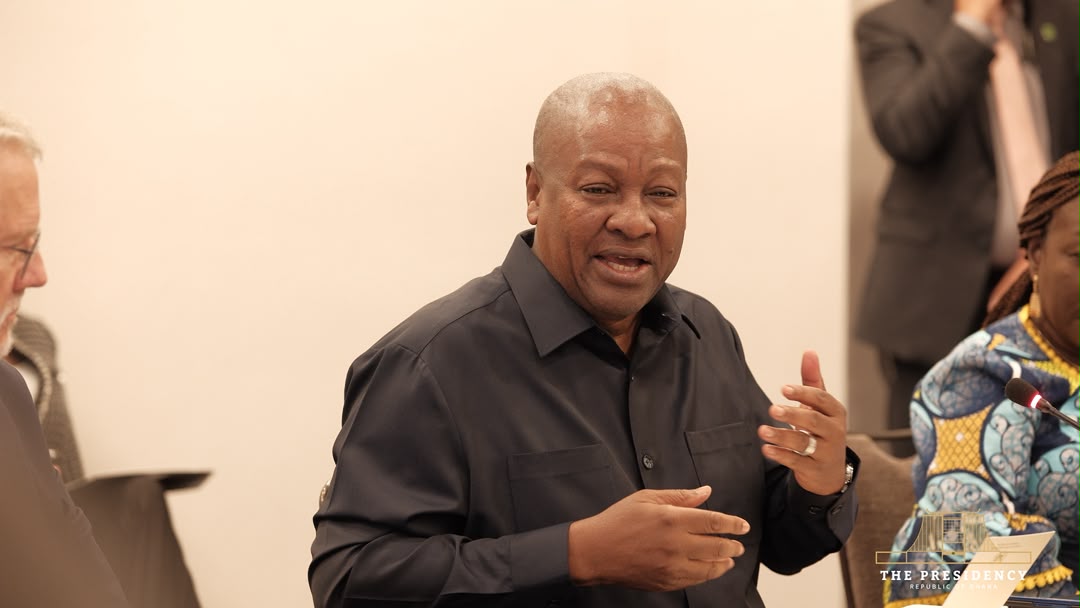
President John Dramani Mahama announced a GHS 1 billion government contribution to a GHS 3 billion revolving fund for affordable housing. This significant allocation will be included in the 2027 national budget. The fund aims to expand access to decent and affordable homes across Ghana.
The GHS 1 billion will be placed into the National Housing Fund. It will finance housing projects through a revolving financing arrangement. This initiative directly addresses Ghana's substantial housing deficit, which currently stands at about 1.8 million units. More than 30 percent of existing housing stock is considered inadequate, highlighting the urgent need for intervention.
This government commitment forms part of broader efforts to mobilise long-term capital. It seeks to create sustainable financing mechanisms for housing. Ghana's economic development relies on providing essential infrastructure like adequate housing. The housing challenge extends beyond building new homes; it includes improving existing settlements, tackling overcrowding, and ensuring access to basic utilities.
President Mahama made this announcement at the National Conference on Housing Financing. The conference focused on innovative solutions to Ghana’s housing challenges. He stressed that adequate housing is a matter of human dignity and a human right. It is also essential infrastructure for national development.
High borrowing costs, large down payments, and short repayment periods have made home ownership difficult for many. This is especially true for those outside the formal payroll system. The government will work with financial institutions, developers, and organised labour. Their goal is to develop financing arrangements that reflect the income realities of ordinary Ghanaians.
President Mahama urged financial institutions to develop alternative ways to assess repayment capacity. This includes traders, artisans, farmers, and self-employed workers. He called for longer-term financing denominated in local currency. Such financing should feature manageable repayments and clear terms.
The President also introduced the National Housing Fund’s “Easy Rent” programme. This programme will help workers avoid the burden of paying large rent advances. Under this initiative, the housing fund will pay the rent advance for eligible workers. Workers will then repay the amount through monthly payments, easing financial pressure.
Stakeholders should explore mortgage refinancing, securitisation, and employer-supported housing schemes. Responsible financial technology solutions and rent-to-own arrangements are also crucial. The government will also support affordable rental housing and incremental housing loans. These measures aim to diversify financing options for Ghanaians.
The government plans to make effective use of institutional and government land banks. It will also support private investment in housing. Accelerating stalled housing projects is another key objective. This includes completing 1,500 housing units at Saglemi by next year. The district housing programme, currently piloted in eight districts, will also expand.
The success of Ghana’s housing agenda will be measured by the number of families securing decent homes. This must happen without overwhelming rent and mortgage costs. The government’s GHS 1 billion contribution should translate this ambition into tangible results. This investment represents a significant step towards improving living conditions and economic stability for many Ghanaians.