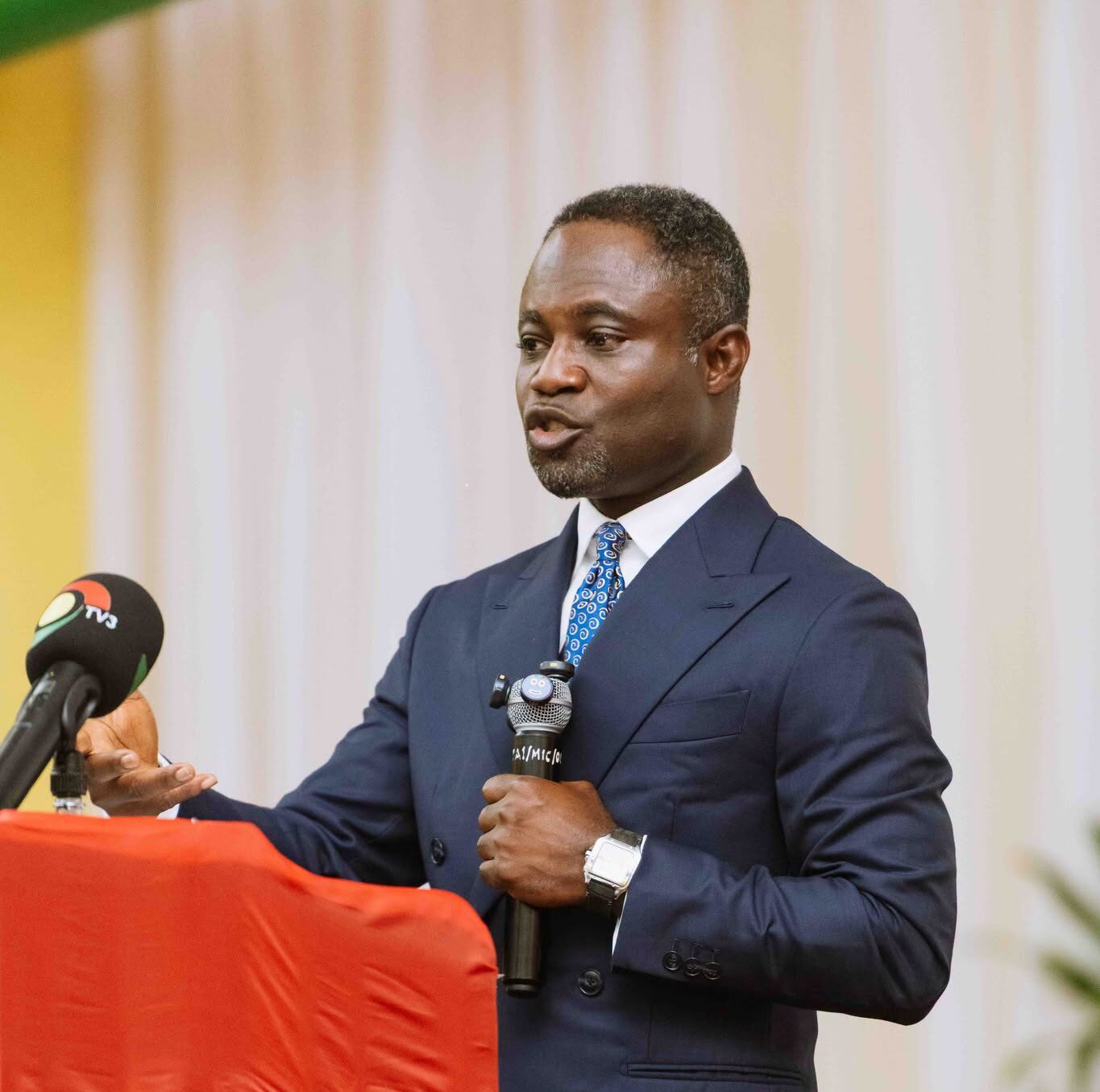
Ghana's National Health Insurance Scheme (NHIS) active membership has reached 70% as of August 2026. This marks a significant increase from 56.3% recorded in 2024. Health Minister Kwabena Mintah Akandoh announced this development, highlighting the government's commitment to improving healthcare access across the nation.
The Minister attributed this growth to strategic measures aimed at enhancing the NHIS's financial stability. Key among these was the uncapping of the National Health Insurance Levy, which provided the scheme with essential additional resources. This policy change allowed the NHIS to better meet its financial obligations to healthcare providers, ensuring more consistent service delivery for beneficiaries.
This membership surge fits into Ghana's broader economic and social development agenda, particularly the push for Universal Health Coverage (UHC). The government has consistently prioritized health sector investments, recognizing their direct impact on productivity and poverty reduction. Previous data showed challenges in NHIS sustainability, making this reported increase a crucial indicator of progress in public health policy and implementation.
Speaking at a Health Sector Update Engagement, Minister Akandoh stated, "The government increased funding for the NHIS from about GHS 6.5 billion in 2024 to GHS 9.8 billion in 2025." He added that this substantial increase resulted in an average 50% rise in payments to healthcare providers. These financial injections are vital for maintaining the scheme's operational efficiency and ensuring timely medical services for millions of Ghanaians.
The increased membership and funding imply a stronger healthcare safety net for Ghanaian citizens. Decision-makers will closely monitor the scheme's financial health and service delivery quality. Continued investment in infrastructure, such as the 35 Agenda 111 hospital projects and the procurement of 24,534 medical equipment pieces, will be crucial. The planned procurement of an additional 100 ambulances in 2027 will further strengthen emergency medical services nationwide.
Between January and September 2026, the NHIS paid GHS 2.1 billion in claims. This prompt payment helps healthcare providers continue their operations without significant financial strain. Reduced delays in claims payments are critical for maintaining trust and ensuring the continuous provision of medical care. The Free Primary Healthcare initiative, now active in 135 districts, also contributes to broader health coverage efforts.
The government's focus extends beyond just financial inputs. It includes human resource development and technological advancements. The health sector is advancing six post-basic specialist nursing programmes, training over 600 students. An electronic bed management system is also being implemented to improve the coordination and utilization of hospital beds across the country. These interventions are part of a comprehensive strategy to strengthen Ghana's health system and improve access to quality healthcare for all citizens.
The expansion of NHIS active membership is a positive step towards achieving the Sustainable Development Goal (SDG) 3, which focuses on good health and well-being. It also reflects the government's commitment to social protection programs that directly benefit the populace. Future reports will need to detail the impact of this increased coverage on health outcomes and the overall burden of disease in Ghana.