Ghana's government has spent GHS 917 million to support 321,807 students under its 'No-Fees-Stress' policy. Education Minister Haruna Iddrisu confirmed this significant investment, which aims to make tertiary education more accessible. The funds originated from the Consolidated Fund and were channeled through the Ministry of Education's budgetary support.
This substantial expenditure directly addresses financial barriers for students pursuing higher education. The 'No-Fees-Stress' initiative, launched on July 4, 2025, was a key promise from President John Mahama's 2024 National Democratic Congress Resetting Ghana Manifesto. It is implemented by the Students Loan Trust Fund (SLTF) and receives funding from the Ghana Education Trust Fund (GETFund).
This policy fits into Ghana's broader economic strategy to invest in human capital development and reduce inequality. Ensuring access to education, regardless of financial background, is crucial for long-term economic growth and social mobility. Previous data shows that tertiary enrollment rates have often been constrained by tuition costs, making this policy a significant intervention. The government views human capital development as a strategic investment requiring sufficient budgetary allocation.
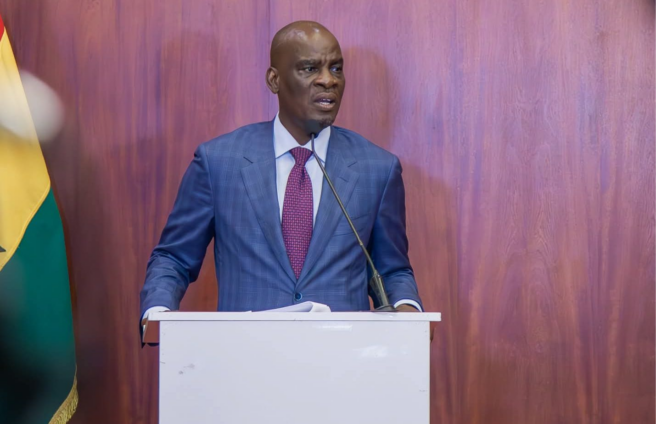
Minister Iddrisu stated, "GH¢917 million has so far been spent to support students under the No-Fee-Stress, covering a student population of 321,807 students." He made these remarks at a Stakeholder Engagement on the Implementation of the No-Fees-Stress Initiative in Dawu, Eastern Region. The Minister also acknowledged that timely release of budgetary allocations remains a major challenge for the policy's effective implementation.
Looking ahead, the government plans to expand student loan support further, including for medical education, following its recent extension to law students. This commitment signals continued investment in education, which will impact future workforce development and economic productivity. Decision-makers must ensure consistent funding to sustain the policy's objectives and prevent financial stress from becoming a barrier to higher learning. The policy's success will depend on overcoming funding disbursement hurdles and maintaining institutional partnerships.
The 'No-Fees-Stress' policy encompasses five key components designed to enhance access and affordability. These include a 'no academic fee' policy and free tertiary education specifically for persons with disabilities. The initiative also features an enhanced traditional loan scheme with higher loan amounts and reduced interest rates, making borrowing more manageable for students. Furthermore, the policy has introduced the 'Students Loan Plus Initiative' and digitalized the loan application system for easier access. These measures collectively aim to ensure that financial circumstances do not hinder any eligible Ghanaian student from pursuing higher education.
Dr. Saajida Shiraz, CEO of the SLTF, explained that the fund's mandate has expanded significantly with the introduction of this flagship policy. She highlighted the transformational nature of President Mahama's initiative in removing financial barriers. The SLTF, a statutory agency under the Ministry of Education, is now at the forefront of this expanded role. The Board Chairperson of the SLTF, Cynthia Amerley Amarteifio, emphasized that access, inclusion, affordability, and sustainability in tertiary education are central to the government's educational agenda under the 'Reset' program. This strategic focus underscores a long-term vision for educational equity and national development.