The Public Accounts Committee (PAC) has deferred its hearing into the financial performance of Ghana Water Limited (GWL). The Committee demands the sector Minister and GWL's Managing Director appear to address the company's significant financial challenges.
This postponement allows Minister Ahmed Ibrahim, MD Adam Mutawakilu, and GWL management to review concerns from the Auditor-General's Report. The report highlighted a GHS 3.063 billion deficit for GWL in 2024. It also noted a decline in revenue and a sharp increase in liabilities for the state-owned water utility.
GWL's financial woes are a recurring concern for Ghana's public finance stability. The company's revenue fell by GHS 4 million, from GHS 2.113 billion in 2023 to GHS 2.109 billion in 2024. Despite this revenue drop, GWL recorded expenditures of GHS 5.167 billion in 2024. This resulted in the substantial GHS 3.063 billion deficit. Such deficits often lead to government bailouts, straining national budgets.
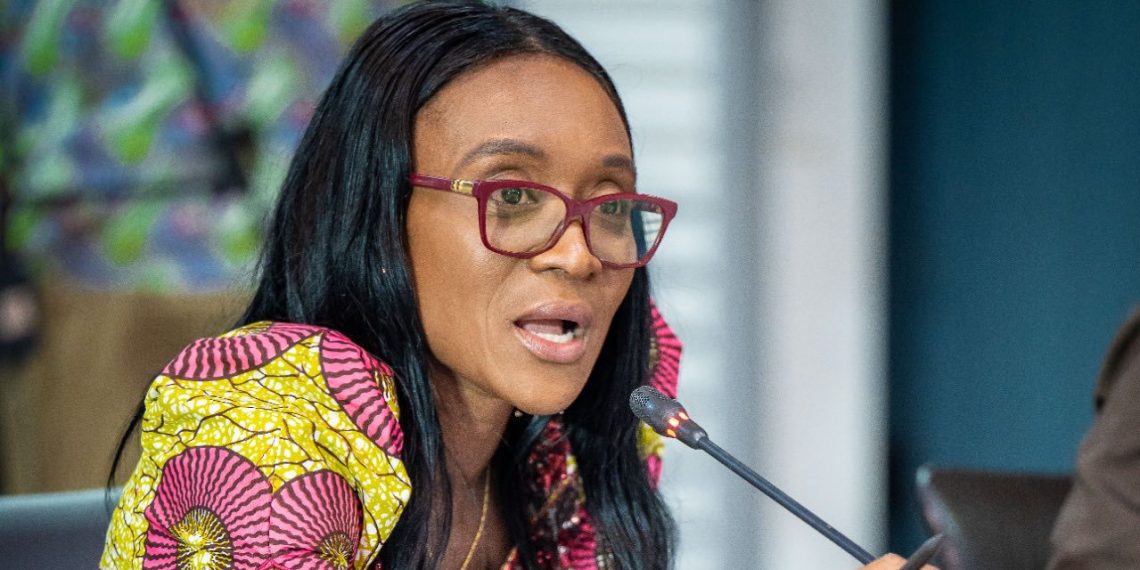
PAC Chairperson Abena Osei Asare questioned GWL's repeated use of ageing equipment as a reason for borrowing. She noted a pattern of loans taken for GWL since 2017 with similar justifications. Ms. Asare expressed concern about GWL's capacity to generate enough revenue to repay these debts. She stated, "Ghana Water ends up not being able to pay the loans, and then it sits on the back of government."
The Committee's directive underscores the government's commitment to fiscal discipline and accountability for state-owned enterprises. The rescheduled hearing will scrutinise GWL's financial position, expenditure, and growing liabilities. This will determine the next steps for ensuring the company's financial viability and its impact on public funds. Investors and citizens will watch for policy decisions to address GWL's persistent financial issues.
GWL's non-current assets increased by 1.3%, reaching GHS 10.993 billion in 2024. This followed the acquisition of new property, plant, and equipment. However, current liabilities surged by 24.9%, from GHS 3.129 billion in 2023 to GHS 3.908 billion. Non-current liabilities also rose by 26.7%, from GHS 8.286 billion to GHS 10.497 billion. These increases were largely due to higher payables, indicating growing financial pressure.