Ghana's parliamentary Minority has called for an independent audit into the GHS 49.72 million spent on evacuating 1,964 Ghanaians from South Africa. This demand follows alleged inconsistencies found in payment records and flight documents provided by the Ministry of Foreign Affairs.
The Minority's review, based on a Right to Information (RTI) request, uncovered significant discrepancies. Specifically, only 824 names appeared in both payment registers for reintegration grants and transport allowances, despite 1,964 evacuees being reported. This raises questions about the allocation of GHS 5,000 as a reintegration grant and GHS 500 as a transport allowance per individual.
This situation highlights ongoing concerns about public financial management and transparency in Ghana. Previous instances of alleged financial mismanagement have often led to public outcry and calls for greater accountability. The demand for an independent audit aligns with broader efforts to ensure public funds are used efficiently and ethically, especially given Ghana's current economic climate and efforts to manage its national debt.
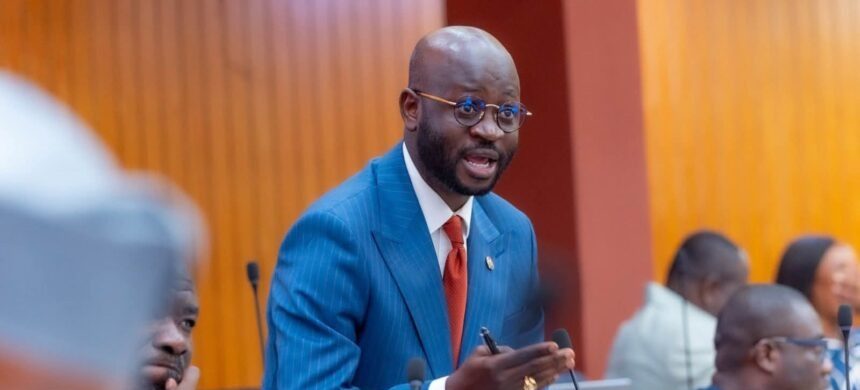
Nana Asafo-Adjei Ayeh, the Deputy Ranking Member of Parliament’s Foreign Affairs Committee, stated, "Only a thorough independent and transparent audit with findings made public can restore the confidence of the Ghanaian people in the public management of their funds." He emphasized the need for an independent accounting firm to conduct the audit and for its terms of reference and final findings to be made public.
The proposed audit, if approved, would scrutinize the financial records related to the evacuation. It would determine whether the total amount spent and the number of people evacuated align with available documentation. The findings could lead to further parliamentary action or investigations, potentially impacting public trust in government spending and accountability mechanisms. Decision-makers will closely watch the government's response to this call for transparency.
The Minority's review found that flight records accounted for only 1,173 people. This total includes 926 individuals on chartered flights and 247 on commercial flights. This leaves 791 people, out of the reported 1,964 evacuees, whose transport remains unexplained in the provided documents. The discrepancy represents a significant portion of the total evacuee count.
Further concerns arose regarding duplicate names across various payment and flight records. The Minority also identified 442 minors listed in the reintegration payment register. They seek clarification on how payments for these children were handled, specifically whether funds were paid directly to them or to their parents or guardians. This detail is crucial for ensuring proper financial oversight for vulnerable individuals.
Mr. Ayeh acknowledged that the Minister’s RTI response provided some information. However, he stressed that critical questions remain unanswered. These include how payments were matched with records, why some entries were duplicated or unsigned, and whether sufficient documentation supports all flight and logistical expenses. These gaps undermine confidence in the financial reporting.
The Minority has suggested reputable firms like Deloitte Ghana, KPMG Ghana, PricewaterhouseCoopers (PwC), or Ernst & Young Ghana to conduct the audit. They insist the chosen firm must be independent of the Minister and any contractors involved in the evacuation process. This independence is vital for ensuring an unbiased and credible investigation into the GHS 49.72 million expenditure.
This call for an audit underscores the importance of robust oversight in public spending. It reflects a broader parliamentary role in holding government agencies accountable for their financial decisions. The outcome of this situation will likely influence future discussions on government transparency and the management of public funds in Ghana.