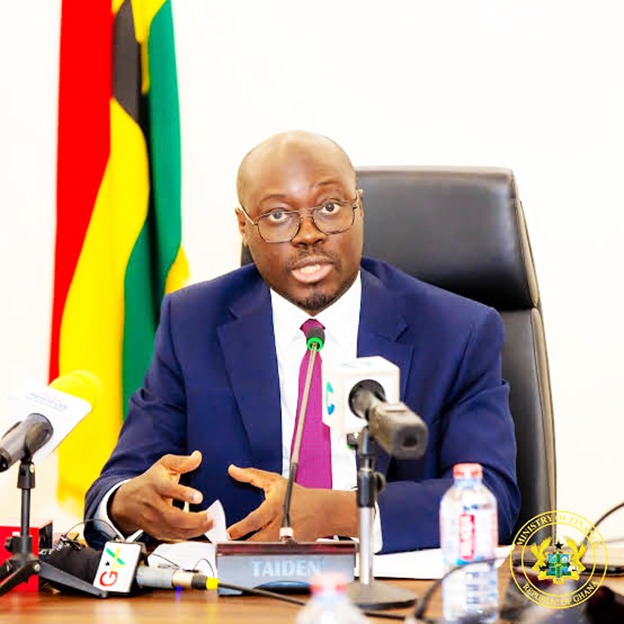
An external consultant to KGL, Dr. Razak Opoku, has disputed Finance Minister Dr. Cassiel Ato Forson's account of state benefits from lottery operations. Dr. Opoku stated that the National Lottery Authority (NLA) received more than GHS 173 million from KGL, not the GHS 10 million dividend Dr. Forson reportedly cited.
Dr. Opoku accused the Finance Minister of misinforming the public regarding the financial benefits. He clarified that Ghanaian taxpayers, through the Ghana Revenue Authority (GRA), received over GHS 153 million from KGL on April 16, 2026, for the 2025 financial year. This figure, alongside the NLA's GHS 173 million, presents a more complete picture of the state's earnings from KGL's lottery operations.
This dispute arises amidst broader discussions about public finance management and revenue generation in Ghana. The government is actively seeking to improve its financial position and ensure state entities contribute effectively to the national coffers. Previous reports have highlighted the need for greater transparency and efficiency in state-owned enterprises. The NLA, as a key revenue-generating body, faces scrutiny over its financial contributions to the state budget.
“The Finance Minister respectfully needs to get his facts right about the benefits Ghanaian taxpayers received from the lottery business,” Dr. Opoku said in a statement. He questioned why the NLA received over GHS 173 million from KGL, while the Ministry of Finance only received GHS 10 million in dividends from the NLA. Dr. Opoku urged the Finance Minister to understand the flow of funds within the lottery sector.
Dr. Opoku emphasized that the fundamental issue is the NLA's expenditure and use of its financial resources. He alleged that the NLA spends over 90 percent of its income on its Good Causes Foundation and other community social responsibility activities. This high expenditure leaves only GHS 10 million as dividends for the Ministry of Finance. He argued that increasing NLA revenues would not benefit the state if the authority continues to spend heavily on what he described as unnecessary internal operations.
This situation has significant implications for public finance and government revenue targets. If the NLA's high operational costs and CSR spending continue, it could limit the dividends available for national development. Decision-makers will need to address the NLA's expenditure patterns to ensure greater returns to the state. This issue forms part of the government's wider efforts to reset public finances and optimize contributions from state entities. The focus should shift from merely reviewing agreements to scrutinizing the NLA's internal financial management.